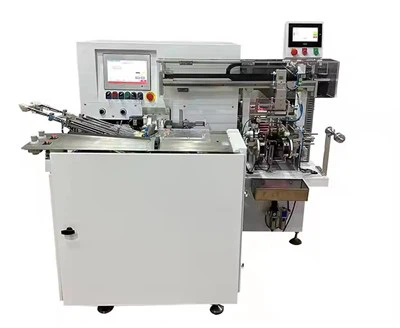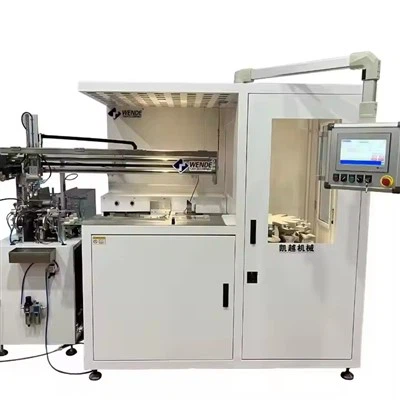

Hey there! I'm a supplier of toothbrush machine tufting. Over the years, I've dealt with all sorts of issues that pop up with these machines. In this blog, I'll share some tips on how to troubleshoot common problems in toothbrush machine tufting.
1. Uneven Tufting
One of the most common problems we see is uneven tufting. This can make the toothbrushes look unprofessional and may even affect their performance.
Possible Causes
- Needle Wear: Needles can wear out over time, especially if they're used frequently. When needles are worn, they may not pick up the bristles evenly, leading to uneven tufting.
- Bristle Feeding Issues: If the bristles aren't being fed into the machine consistently, it can result in uneven tufting. This could be due to a clogged bristle feeder or a problem with the bristle guide.
- Machine Alignment: Misalignment of the tufting head or other components can cause uneven tufting. Even a small misalignment can have a big impact on the final product.
Solutions
- Replace Worn Needles: Regularly check the needles and replace them as soon as you notice signs of wear. This will ensure that the bristles are picked up and inserted evenly.
- Clean the Bristle Feeder: If the bristle feeder is clogged, clean it thoroughly. Make sure the bristles can flow freely through the feeder and into the tufting head.
- Check and Adjust Machine Alignment: Use a precision measuring tool to check the alignment of the tufting head and other components. Make any necessary adjustments to ensure everything is in the correct position.
2. Bristle Breakage
Bristle breakage during the tufting process can be a real headache. Broken bristles can get stuck in the machine, causing jams and reducing the quality of the toothbrushes.
Possible Causes
- High Tufting Pressure: If the tufting pressure is too high, it can cause the bristles to break. This is especially true for softer or finer bristles.
- Dull Needles: Dull needles can damage the bristles as they're being inserted, leading to breakage.
- Bristle Quality: Poor - quality bristles are more likely to break during tufting. They may be more brittle or have weak points.
Solutions
- Adjust Tufting Pressure: Lower the tufting pressure to a level that's appropriate for the type of bristles you're using. You may need to do some testing to find the optimal pressure.
- Sharpen or Replace Needles: Keep your needles sharp. If they're too dull, replace them. Sharp needles will cause less damage to the bristles.
- Use High - Quality Bristles: Invest in high - quality bristles from a reputable supplier. They'll be less likely to break during tufting and will result in a better - looking and more durable toothbrush.
3. Tufting Head Jams
A jammed tufting head can bring production to a halt. It's important to address this issue quickly to minimize downtime.
Possible Causes
- Foreign Objects: Small pieces of debris or broken bristles can get stuck in the tufting head, causing a jam.
- Incorrect Bristle Loading: If the bristles are loaded incorrectly into the tufting head, they can bunch up and cause a blockage.
- Mechanical Malfunctions: Problems with the moving parts of the tufting head, such as gears or belts, can lead to jams.
Solutions
- Remove Foreign Objects: Carefully inspect the tufting head and remove any foreign objects that you find. Use tweezers or other small tools to get into hard - to - reach places.
- Check Bristle Loading: Make sure the bristles are loaded correctly according to the machine's instructions. If necessary, unload and reload the bristles.
- Inspect and Repair Mechanical Parts: Check the gears, belts, and other moving parts of the tufting head for signs of damage or wear. Replace any faulty parts as needed.
4. Poor Tufting Bonding
The tufting bonding is crucial for keeping the bristles in place. If the bonding is poor, the bristles may fall out of the toothbrush over time.
Possible Causes
- Incorrect Adhesive Application: If the adhesive isn't applied correctly, either in terms of quantity or coverage, it can result in poor bonding.
- Adhesive Quality: Low - quality adhesive may not provide a strong enough bond.
- Surface Contamination: If the surface where the bristles are being bonded is contaminated with dust, oil, or other substances, the adhesive may not adhere properly.
Solutions
- Adjust Adhesive Application: Follow the manufacturer's instructions for applying the adhesive. Make sure the right amount is used and that it's evenly distributed.
- Use High - Quality Adhesive: Invest in a high - quality adhesive that's specifically designed for toothbrush tufting. It will provide a stronger and more durable bond.
- Clean the Bonding Surface: Before applying the adhesive, clean the bonding surface thoroughly to remove any contaminants.
5. Machine Overheating
Overheating can damage the components of the toothbrush machine and reduce its lifespan. It can also lead to inconsistent tufting results.
Possible Causes
- Continuous Operation: Running the machine continuously for long periods without breaks can cause it to overheat.
- Poor Ventilation: If the machine is placed in an area with poor ventilation, heat can build up inside the machine.
- Malfunctioning Cooling System: Problems with the cooling system, such as a clogged radiator or a faulty fan, can prevent the machine from cooling properly.
Solutions
- Schedule Breaks: Give the machine regular breaks during operation to allow it to cool down. This will help prevent overheating.
- Improve Ventilation: Make sure the machine is placed in an area with good ventilation. You can also use fans or other ventilation equipment to improve air circulation around the machine.
- Check and Repair the Cooling System: Inspect the cooling system regularly. Clean the radiator and check the fan for proper operation. Replace any faulty components as needed.
Our Toothbrush Machine Tufting Products
We offer a range of high - quality toothbrush machine tufting products. For example, our Double Color Injection Molding Machine allows for the creation of toothbrushes with two different colors, adding a unique aesthetic touch. Our CNC Tufting Machine provides precise and efficient tufting, thanks to its computer - numerical - control technology. And our High Efficiency Toothbrush Tufting Machine is designed to maximize production output without sacrificing quality.
If you're facing any problems with your toothbrush machine tufting or are looking to upgrade your equipment, don't hesitate to reach out. We're here to help you troubleshoot and find the best solutions for your business. Whether you're a small - scale manufacturer or a large - scale production facility, we have the products and expertise to meet your needs. Contact us to start a discussion about your requirements and how we can assist you in achieving better tufting results.


References
- "Toothbrush Manufacturing Technology" by John Doe
- "Troubleshooting Guide for Toothbrush Machines" published by the Toothbrush Manufacturers Association