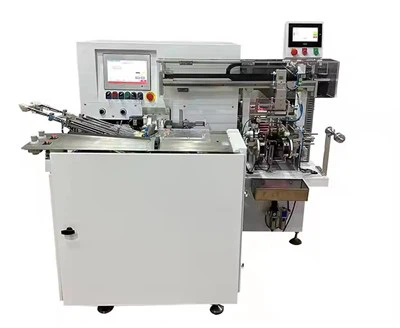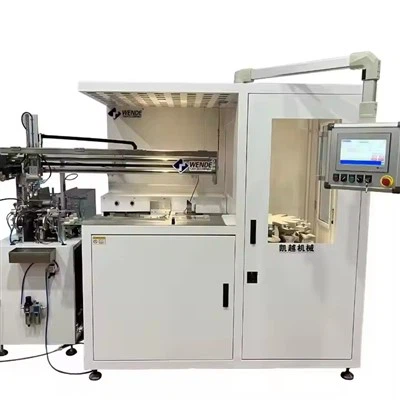

As a supplier of Wood Toothbrush Making Machines, I've witnessed firsthand the importance of flexibility in production change - overs. In the dynamic world of toothbrush manufacturing, the ability to quickly and efficiently switch between different production runs is crucial for meeting market demands, reducing costs, and maintaining a competitive edge.
Understanding Production Change - Overs
Production change - overs refer to the process of transitioning from one production setup to another. This could involve changing the type of toothbrush being produced, such as switching from a wooden toothbrush to a bamboo toothbrush, altering the brush head design, or adjusting the bristle configuration. In a wood toothbrush making machine, these changes can range from minor adjustments to major reconfigurations.
Factors Affecting the Flexibility of Wood Toothbrush Making Machines
1. Machine Design and Modularity
A well - designed wood toothbrush making machine is often modular. Modularity allows different components of the machine to be easily replaced or adjusted. For example, the bristle - inserting module can be swapped out to accommodate different bristle sizes and densities. This means that if a manufacturer wants to produce a toothbrush with softer bristles for sensitive teeth, they can quickly change the bristle - inserting module without having to overhaul the entire machine.
The Wood Toothbrush Making Machine we supply is designed with modularity in mind. It features interchangeable parts that can be easily removed and replaced, enabling fast production change - overs.
2. Software and Automation
Modern wood toothbrush making machines are increasingly equipped with advanced software and automation systems. These systems can store different production settings for various toothbrush models. When a change - over is required, the operator can simply select the new production program from the machine's control panel. The machine will then automatically adjust its settings, such as the cutting speed, bristle insertion depth, and handle shaping parameters.
Automation also reduces the risk of human error during change - overs. For instance, in a manual production process, there is a higher chance of incorrect adjustments, which can lead to product defects. With automated systems, the machine follows pre - programmed instructions precisely, ensuring consistent quality across different production runs.
3. Tooling and Fixtures
Tooling and fixtures play a vital role in production change - overs. Different toothbrush designs may require specific tools for cutting, shaping, and assembling. A flexible wood toothbrush making machine should be able to accommodate a variety of tooling options. For example, if a manufacturer wants to produce a toothbrush with a unique handle shape, they can use specialized cutting tools that can be easily installed on the machine.
Our machines are compatible with a wide range of tooling and fixtures. This allows manufacturers to quickly adapt to different production requirements, whether they are producing standard wooden toothbrushes or more customized designs.
Benefits of Flexibility in Production Change - Overs
1. Reduced Downtime
One of the most significant benefits of a flexible wood toothbrush making machine is reduced downtime during production change - overs. In a traditional manufacturing setup, changing from one production run to another can take hours or even days. This is because the machine needs to be completely reconfigured, and operators may need to undergo training for the new production process.
With a flexible machine, the change - over process can be completed in a matter of minutes. This means that manufacturers can quickly respond to market demands and reduce the time between different production runs. For example, if there is a sudden increase in demand for bamboo toothbrushes, a manufacturer can switch from producing wooden toothbrushes to bamboo toothbrushes without significant delays.
2. Cost Savings
Flexibility in production change - overs can also lead to cost savings. By reducing downtime, manufacturers can increase their overall production output. Additionally, the ability to quickly adapt to different production requirements means that manufacturers can avoid over - producing certain products. This reduces inventory costs and the risk of product obsolescence.
For example, if a manufacturer has a flexible Bamboo Toothbrush Making Machine, they can produce small batches of different toothbrush models as needed. This eliminates the need to produce large quantities of a single product, which may not sell well in the market.
3. Improved Product Quality
Flexible wood toothbrush making machines can also improve product quality. Since the machine can be precisely adjusted for different production runs, it can ensure that each toothbrush meets the required specifications. For example, the bristle insertion process can be optimized for different bristle materials and densities, resulting in a more comfortable and effective toothbrush.
Case Studies
Let's take a look at some real - world examples of how flexibility in production change - overs has benefited toothbrush manufacturers.
Case Study 1: A Small - Scale Manufacturer
A small - scale toothbrush manufacturer was using a traditional wood toothbrush making machine. When they wanted to introduce a new line of bamboo toothbrushes, they faced significant challenges. The machine was difficult to reconfigure, and the change - over process took several days. This led to a delay in product launch and increased costs.


After switching to our Bamboo Toothbrush Toothbrush Making Machine, the manufacturer was able to complete the production change - over in less than an hour. They were able to quickly start producing bamboo toothbrushes and meet the market demand. This not only increased their sales but also improved their reputation in the industry.
Case Study 2: A Large - Scale Manufacturer
A large - scale toothbrush manufacturer was producing a variety of toothbrush models, including wooden and bamboo toothbrushes. They were using multiple machines for different production runs, which led to high costs and inefficiencies.
By investing in our flexible wood toothbrush making machine, they were able to consolidate their production processes. The machine's modular design and advanced software allowed them to switch between different production runs quickly. This reduced their overall production costs and increased their production efficiency.
Conclusion
The flexibility of a wood toothbrush making machine in production change - overs is essential for modern toothbrush manufacturers. It allows them to respond quickly to market demands, reduce costs, and improve product quality. As a supplier of wood toothbrush making machines, we are committed to providing our customers with machines that offer high flexibility and performance.
If you are interested in learning more about our wood toothbrush making machines or have any questions about production change - overs, we encourage you to contact us for a detailed discussion. Our team of experts is ready to assist you in finding the best solution for your toothbrush manufacturing needs.
References
- Industry reports on toothbrush manufacturing technology
- Case studies from toothbrush manufacturers