
When it comes to the production of industrial brushes using an industrial brush making machine, one of the most critical decisions is selecting the appropriate bristle materials. As a supplier of industrial brush making machines, I understand the significance of this choice and its impact on the quality and performance of the final product. In this blog, I will delve into the key factors to consider when selecting bristle materials for an industrial brush making machine.
Understanding the Types of Bristle Materials
There are several types of bristle materials available in the market, each with its own unique properties and applications. Here are some of the most common ones:
Natural Bristles
Natural bristles are derived from animal hair, such as hog, horse, or badger. They are known for their softness, flexibility, and ability to hold liquids. Natural bristles are often used in applications where a gentle touch is required, such as painting, makeup application, and polishing. However, they are also more expensive and less durable than synthetic bristles.
Synthetic Bristles
Synthetic bristles are made from man-made materials, such as nylon, polyester, or polypropylene. They are available in a wide range of stiffness levels and can be customized to meet specific application requirements. Synthetic bristles are generally more durable, resistant to chemicals, and less expensive than natural bristles. They are commonly used in industrial applications, such as cleaning, scrubbing, and brushing.
Wire Bristles
Wire bristles are made from metal wires, such as steel, brass, or stainless steel. They are known for their strength, durability, and ability to remove tough dirt and debris. Wire bristles are often used in applications where a high level of abrasion resistance is required, such as metalworking, woodworking, and automotive repair.
Factors to Consider When Selecting Bristle Materials
When selecting bristle materials for an industrial brush making machine, several factors need to be considered. Here are some of the key factors:


Application Requirements
The first step in selecting bristle materials is to understand the specific application requirements. Different applications require different types of bristles with varying levels of stiffness, flexibility, and abrasion resistance. For example, if you are making a brush for cleaning delicate surfaces, you may need to use soft synthetic bristles. On the other hand, if you are making a brush for heavy-duty industrial cleaning, you may need to use wire bristles.
Chemical Resistance
If the brush will be used in an environment where it will come into contact with chemicals, it is important to select bristle materials that are resistant to those chemicals. Some synthetic bristles are specifically designed to be resistant to chemicals, such as acids, alkalis, and solvents. Natural bristles, on the other hand, may not be as resistant to chemicals and may need to be treated or coated to improve their chemical resistance.
Temperature Resistance
If the brush will be used in high-temperature environments, it is important to select bristle materials that can withstand those temperatures. Some synthetic bristles are designed to be heat-resistant and can withstand temperatures up to several hundred degrees Celsius. Natural bristles, on the other hand, may not be as heat-resistant and may need to be replaced more frequently in high-temperature applications.
Cost
Cost is also an important factor to consider when selecting bristle materials. Natural bristles are generally more expensive than synthetic bristles, but they may be worth the investment if they are required for a specific application. Synthetic bristles, on the other hand, are generally less expensive and can be a more cost-effective option for many applications.
Availability
Finally, it is important to consider the availability of the bristle materials. Some natural bristles may be difficult to obtain, especially if they are sourced from rare or endangered animals. Synthetic bristles, on the other hand, are generally more readily available and can be easily sourced from a variety of suppliers.
Our Industrial Brush Making Machines
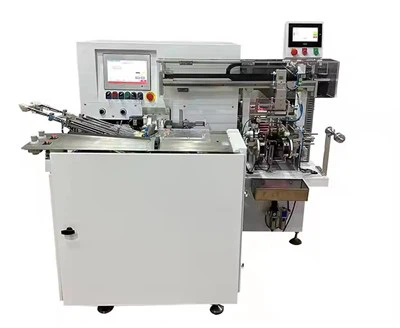
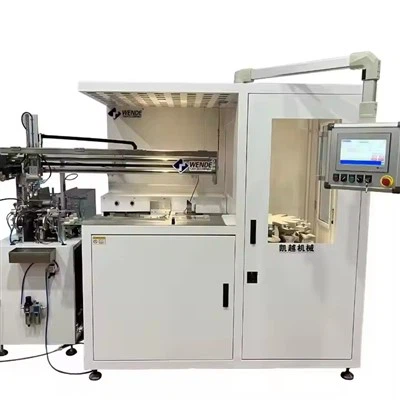
As a supplier of industrial brush making machines, we offer a wide range of machines that are designed to produce high-quality brushes using a variety of bristle materials. Our machines are equipped with advanced technology and features that ensure precise and efficient brush production.
One of our popular products is the Toothbrush Machine. This machine is specifically designed to produce toothbrushes using a variety of bristle materials, including nylon and polyester. It is equipped with a high-speed motor and a precision control system that ensures accurate bristle insertion and trimming.
We also offer a High Performance Toothbrush Machine that is designed to produce high-quality toothbrushes at a faster rate. This machine is equipped with advanced features, such as a servo-driven bristle insertion system and a high-speed trimming system, that ensure precise and efficient brush production.
In addition, we offer a CNC SIEMENZ System Toothbrush Machine that is designed to produce toothbrushes with a high level of precision and accuracy. This machine is equipped with a CNC SIEMENZ control system that allows for easy programming and operation.
Conclusion
Selecting the appropriate bristle materials for an industrial brush making machine is a critical decision that can have a significant impact on the quality and performance of the final product. By considering the application requirements, chemical resistance, temperature resistance, cost, and availability of the bristle materials, you can make an informed decision that will ensure the success of your brush production.
If you are interested in learning more about our industrial brush making machines or have any questions about selecting the appropriate bristle materials, please feel free to contact us. We are here to help you find the right solution for your brush production needs.
References
- "Industrial Brush Manufacturing: A Comprehensive Guide." Brush Research Manufacturing.
- "Bristle Materials for Industrial Brushes." The Brush Association.
- "How to Select the Right Bristle Material for Your Brush." BrushTech Magazine.