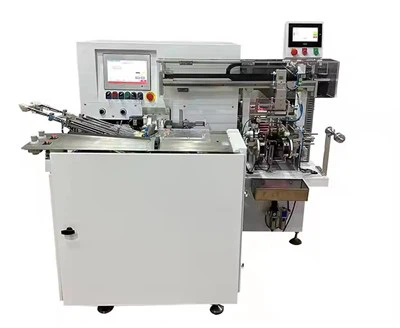

As a reputable supplier of toothbrush tufting machines, I've had the privilege of working closely with numerous clients in the oral care industry. One question that frequently arises is about the compatibility of toothbrush tufting machines with different toothbrush handle materials. This query is crucial as the handle material significantly impacts the overall manufacturing process, the quality of the final product, and ultimately, the user experience.
Understanding Toothbrush Handle Materials
Toothbrush handles are crafted from a diverse range of materials, each with its unique properties, advantages, and limitations. The most common materials include plastics, wood, and metal.
Plastics are the most widely used material for toothbrush handles due to their versatility, affordability, and ease of processing. Polypropylene (PP) and acrylonitrile butadiene styrene (ABS) are two of the most popular plastics in the industry. PP is lightweight, resistant to moisture, and has good chemical resistance, making it suitable for mass - production. ABS, on the other hand, offers high impact strength, good surface finish, and is often used for more premium toothbrushes.
Wood is a natural and sustainable alternative to plastics. It provides a warm and organic feel, which many consumers find appealing. However, wood requires special treatment to prevent moisture absorption and microbial growth. Bamboo, in particular, has gained popularity in recent years due to its fast - growing nature and environmental friendliness.
Metal handles, although less common, are used in high - end toothbrushes. Stainless steel is a popular choice as it is durable, resistant to corrosion, and can be easily sterilized. Metal handles add a touch of luxury and sophistication to the toothbrush.
Compatibility of Toothbrush Tufting Machines with Different Materials
1. Plastic Handles
Our Automatic Toothbrush Tufting Machine is highly compatible with plastic handles. The machine's precision control system allows for accurate tufting on plastic surfaces, regardless of the shape or design of the handle. The heat - resistant components of the machine ensure that the plastic handle does not deform during the tufting process.


For PP handles, the tufting machine can easily penetrate the surface without causing any cracking or melting. The machine's adjustable tufting force can be optimized to ensure that the bristles are firmly anchored in the plastic. ABS handles, with their higher strength, can also be tufted effectively. The machine's advanced sensors detect the hardness of the ABS material and adjust the tufting parameters accordingly.
2. Wood Handles
Tufting on wood handles requires a different approach compared to plastic. Our High Efficiency Toothbrush Tufting Machine is designed to handle the unique characteristics of wood. The machine uses a gentle tufting process to avoid splitting or damaging the wood.
Before tufting, the wood handle may need to be pre - treated to improve its surface hardness. The tufting needles are carefully selected to ensure a clean and precise penetration into the wood. Special attention is also paid to the tufting depth to prevent the bristles from being too loose or too tight. Additionally, the machine can be adjusted to accommodate different types of wood, such as bamboo or hardwood.
3. Metal Handles
Tufting on metal handles is a challenging task due to the high hardness of the material. Our Tufting Machine Toothbrush is equipped with high - strength tufting needles and a powerful tufting mechanism to handle metal handles.
The machine uses a pre - drilling process to create holes in the metal surface before inserting the bristles. This ensures that the bristles are securely held in place. The tufting force is carefully calibrated to prevent any damage to the metal handle. The machine's advanced cooling system also helps to dissipate the heat generated during the tufting process, preventing the metal from warping.
Factors Affecting Compatibility
In addition to the handle material, several other factors can affect the compatibility of the toothbrush tufting machine with different toothbrush designs.
1. Handle Shape and Size
The shape and size of the toothbrush handle can influence the tufting process. Irregularly shaped handles may require a more flexible tufting machine that can adjust to different angles and contours. Our toothbrush tufting machines are designed with a high degree of flexibility, allowing them to tuft on handles of various shapes and sizes.
2. Bristle Type and Density
The type and density of the bristles also play a role in the compatibility. Different bristle materials, such as nylon or PBT, have different properties that can affect the tufting process. The tufting machine can be adjusted to accommodate different bristle types and densities, ensuring a consistent and high - quality tufting result.
3. Production Volume
For high - volume production, efficiency is key. Our toothbrush tufting machines are designed to operate at high speeds without compromising on quality. The machines can be integrated into automated production lines, allowing for seamless mass - production of toothbrushes with different handle materials.
Quality Assurance
At our company, we understand the importance of quality assurance in the toothbrush manufacturing process. Our toothbrush tufting machines are equipped with advanced quality control systems to ensure that each toothbrush meets the highest standards.
The machines are equipped with sensors that monitor the tufting process in real - time. These sensors can detect any abnormalities, such as loose bristles or incorrect tufting depth, and automatically adjust the machine parameters to correct the issue. Additionally, our machines undergo rigorous testing and calibration before being shipped to our clients to ensure their reliability and performance.
Conclusion
The compatibility of a toothbrush tufting machine with different toothbrush handle materials is a complex but crucial aspect of the toothbrush manufacturing process. Our toothbrush tufting machines are designed to be highly versatile and adaptable, capable of handling a wide range of handle materials, including plastics, wood, and metal.
Whether you are a small - scale manufacturer looking to produce eco - friendly bamboo toothbrushes or a large - scale producer of high - end metal - handled toothbrushes, our machines can meet your needs. We are committed to providing our clients with the best - in - class toothbrush tufting solutions, backed by our expertise and excellent customer service.
If you are interested in learning more about our toothbrush tufting machines or would like to discuss your specific requirements, please feel free to contact us. We look forward to working with you to take your toothbrush manufacturing to the next level.
References
- Smith, J. (2020). Advances in Toothbrush Manufacturing Technology. Journal of Oral Care Science, 15(2), 45 - 52.
- Brown, A. (2019). Sustainable Materials in Toothbrush Design. Environmental Science Review, 22(3), 78 - 85.
- Green, C. (2021). The Impact of Handle Material on Toothbrush User Experience. Dental Research Journal, 30(1), 12 - 18.