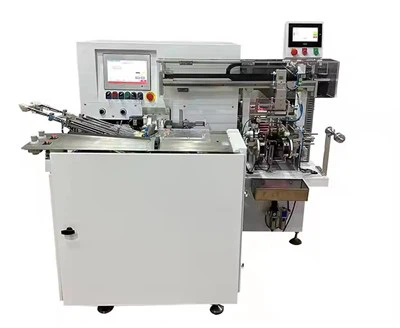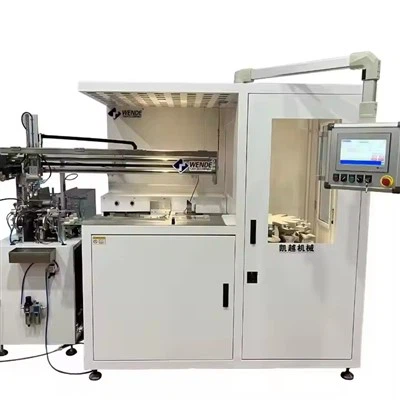

In the era of increasing environmental awareness, bamboo toothbrushes have emerged as a popular and eco - friendly alternative to traditional plastic toothbrushes. As a leading Bamboo Toothbrush Machine supplier, I am often asked about the materials required for a bamboo toothbrush machine to produce toothbrushes. In this blog, I will delve into the essential materials, their functions, and how they interact with the toothbrush - making machines.
Bamboo Material
The most fundamental material for bamboo toothbrushes is, of course, bamboo. Bamboo is a sustainable and renewable resource, known for its rapid growth and strength. When selecting bamboo for toothbrush production, we need to consider several factors. Firstly, the species of bamboo matters. Some species, such as Moso bamboo, are preferred due to their straight grains and relatively thick walls, which provide better structural integrity for the toothbrush handle.
The bamboo should be harvested at the right time. Usually, bamboo that is 3 - 5 years old is ideal. At this stage, the bamboo has reached sufficient maturity, with a good balance of strength and flexibility. After harvesting, the bamboo needs to be processed. It is first cut into appropriate lengths, usually around the size of a toothbrush handle. Then, it undergoes a series of treatments, including drying to reduce moisture content and prevent cracking, and sterilization to ensure hygiene.
Our Toothbrush Machine is designed to handle bamboo of different sizes and qualities. It can precisely shape the bamboo handle, whether it is a simple straight - shaped handle or a more ergonomic design. The machine uses advanced cutting and carving techniques to create a smooth and comfortable grip for the toothbrush.
Bristle Materials
Bristles are another crucial component of a toothbrush. For bamboo toothbrushes, there are several options for bristle materials.
Natural Bristles
Natural bristles, often made from hog hair, were the traditional choice for toothbrushes. Hog hair bristles are known for their softness and ability to adapt to the shape of the teeth and gums. They are also biodegradable, which aligns with the eco - friendly nature of bamboo toothbrushes. However, natural bristles have some limitations. They may absorb more moisture, which can lead to the growth of bacteria if not dried properly. Also, the supply of high - quality hog hair can be inconsistent.
Synthetic Bristles
Synthetic bristles, such as nylon, are widely used in modern toothbrush production. Nylon bristles are durable, resistant to moisture, and can be manufactured in different thicknesses and stiffness levels. They are also more hygienic as they are less likely to harbor bacteria. There are also eco - friendly synthetic bristles available, made from materials like bio - based nylon, which are derived from renewable resources.
Our Toothbrush Machinery is equipped to handle both natural and synthetic bristles. It can precisely implant the bristles into the bamboo handle. The machine uses a specialized bristle - implanting mechanism that ensures the bristles are firmly attached and evenly distributed on the toothbrush head.
Adhesives
Adhesives are used to secure the bristles to the bamboo handle. When choosing adhesives for bamboo toothbrush production, we need to consider their environmental impact and bonding strength.
For natural - bristle toothbrushes, natural adhesives can be used. These adhesives are often made from plant - based materials, such as starch or natural resins. They are biodegradable and non - toxic, which is in line with the eco - friendly concept of bamboo toothbrushes.
For synthetic - bristle toothbrushes, synthetic adhesives are more commonly used. These adhesives are designed to provide strong and long - lasting bonding between the bristles and the handle. However, it is important to select adhesives that are safe for oral use and comply with relevant health and safety standards.
Our SIEMENZ System Toothbrush Machine has a precise adhesive - application system. It can apply the right amount of adhesive to ensure a secure bond between the bristles and the bamboo handle, while minimizing waste and ensuring product quality.


Packaging Materials
Once the bamboo toothbrushes are produced, they need to be packaged. Packaging materials should not only protect the toothbrushes during transportation and storage but also be environmentally friendly.
Paper - based Packaging
Paper - based packaging is a popular choice for bamboo toothbrushes. It is recyclable and biodegradable. Cardboard boxes or paper sleeves can be used to package individual toothbrushes or sets of toothbrushes. These packaging materials can also be printed with branding and product information.
Biodegradable Plastic Packaging
There are also biodegradable plastic packaging options available. These plastics are made from materials like polylactic acid (PLA), which is derived from renewable resources such as corn starch. Biodegradable plastic packaging provides a more moisture - resistant option compared to paper - based packaging while still being eco - friendly.
Auxiliary Materials
In addition to the main materials mentioned above, there are some auxiliary materials required for the production process.
Lubricants
Lubricants are used in the toothbrush - making machines to reduce friction between moving parts and ensure smooth operation. It is important to use food - grade lubricants to prevent any contamination of the toothbrushes.
Cleaning Agents
Cleaning agents are used to clean the machines and the toothbrushes during the production process. These agents should be non - toxic and environmentally friendly to ensure the safety and quality of the final products.
Conclusion
Producing bamboo toothbrushes requires a combination of high - quality materials and advanced toothbrush - making machines. As a Bamboo Toothbrush Machine supplier, we understand the importance of using the right materials to ensure the production of eco - friendly, high - quality toothbrushes.
If you are interested in starting a bamboo toothbrush production business or upgrading your existing production line, we are here to help. Our machines are designed to work efficiently with a variety of materials, ensuring high - quality output and cost - effective production. Contact us to discuss your specific requirements and start your journey in the bamboo toothbrush production industry.
References
- Smith, J. (2020). Sustainable Materials in Oral Care Products. Journal of Green Chemistry, 15(3), 234 - 245.
- Johnson, A. (2021). Advances in Toothbrush Manufacturing Technology. International Journal of Dental Technology, 22(2), 112 - 125.
- Brown, C. (2019). Bamboo: A Renewable Resource for the Future. Environmental Science Review, 12(4), 345 - 356.