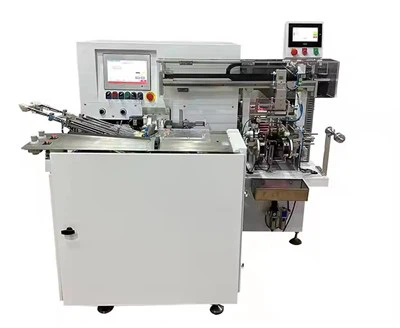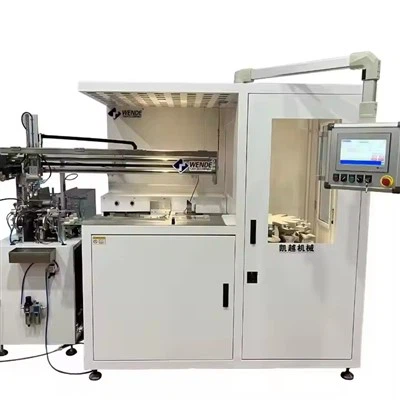

When it comes to household brush tufting machines, one question that often arises is, "What is the weight of a household brush tufting machine?" The weight of these machines is an important factor to consider for various reasons, including transportation, installation, and the stability of the machine during operation. As a leading supplier of household brush tufting machines, we have in - depth knowledge of this topic and are here to provide you with a comprehensive analysis.
Factors Affecting the Weight of Household Brush Tufting Machines
The weight of a household brush tufting machine can vary significantly based on several key factors.
Machine Type
There are different types of household brush tufting machines, each designed for specific purposes. For example, the Electric Toothbrush Making Machine is generally more compact and lightweight compared to the CNC Broom Tufting Machine. Electric toothbrush making machines are engineered to produce small - sized brushes with precision. They usually incorporate advanced but relatively lightweight components for tasks such as cutting and inserting bristles into the toothbrush heads. The overall weight of an electric toothbrush making machine can range from 200 to 500 kilograms, depending on its complexity and the number of functions it offers.
On the other hand, CNC broom tufting machines are built to handle larger - scale production of brooms. These machines need to be robust and stable to deal with the high - volume tufting process of broom bristles. They often have a larger frame, more powerful motors, and heavier mechanical parts. As a result, a CNC broom tufting machine can weigh anywhere from 1000 to 3000 kilograms.
Construction Materials
The materials used in the construction of the machine also play a crucial role in determining its weight. High - quality household brush tufting machines are typically made of steel or cast iron. Steel is commonly used for the frames and structural components of the machine due to its strength and durability. Machines made predominantly of steel can be relatively heavy, especially if they have thick steel plates for added stability.
Cast iron, on the other hand, is sometimes used for specific parts where high mass is required for better vibration damping. For instance, some of the base or drive components of a household brush tufting machine might be made of cast iron. Since cast iron is denser than steel, it can significantly increase the overall weight of the machine. However, the use of these heavy - duty materials is essential for ensuring the long - term reliability and accuracy of the tufting process.
Additional Features and Accessories
Modern household brush tufting machines often come with a variety of additional features and accessories. These can include automated feeding systems, advanced control panels, and quality - control sensors. Automated feeding systems, which are designed to supply bristles and brush bodies to the tufting area, can add a considerable amount of weight to the machine. They usually consist of conveyor belts, hoppers, and motors, all of which contribute to the overall mass.


Advanced control panels with touch - screen interfaces and sophisticated software also add some weight. These panels are necessary for programming and monitoring the tufting process, but they come with electronic components and a protective casing that adds to the machine's heft. Quality - control sensors, such as those that detect the correct length and density of bristles, also add to the weight as they are often integrated into the machine's structure.
Importance of Machine Weight
Understanding the weight of a household brush tufting machine is vital from multiple perspectives.
Transportation
The weight of the machine directly impacts the transportation costs and requirements. Heavier machines require larger and more powerful vehicles for transportation. Specialized equipment, such as forklifts or cranes, may be needed to load and unload these heavy machines. When transporting a CNC broom tufting machine, for example, a large - scale flatbed truck might be necessary. Additionally, the weight of the machine can affect the shipping regulations and insurance requirements. Some carriers may have weight restrictions, and heavier machines may incur higher insurance premiums due to the increased risk of damage during transit.
Installation
The weight of the machine also matters during installation. A heavy - duty household brush tufting machine needs a stable and level foundation. If the floor or installation surface is not strong enough to support the weight of the machine, it can lead to problems such as uneven operation, premature wear of components, and even safety hazards. For instance, a machine that is not properly supported may vibrate excessively during operation, which can affect the quality of the tufted brushes and potentially damage the machine itself. Therefore, before installing a heavy household brush tufting machine, it is essential to assess the strength of the installation site and make any necessary reinforcements.
Stability during Operation
A certain amount of weight is beneficial for the stability of the machine during operation. A heavier machine is less likely to move or vibrate during the tufting process, which results in more accurate and consistent tufting. This is especially important for high - precision applications, such as making electric toothbrushes. The stability provided by the weight helps to ensure that the bristles are inserted at the correct angle and density, leading to a higher - quality end product.
Our Product Range and Weights
As a supplier of Household Brush Making Machine, we offer a diverse range of products with different weights to meet the various needs of our customers.
Our entry - level electric toothbrush making machines, which are suitable for small - scale production or research and development purposes, typically weigh around 200 kilograms. These machines are relatively easy to transport and install, making them a great choice for startups or businesses with limited space.
For medium - scale production of household brushes, we have machines that weigh between 500 and 1000 kilograms. These machines are equipped with more advanced features and can handle a higher volume of production. They are still manageable in terms of transportation and installation but offer increased productivity compared to the smaller models.
Our large - scale CNC broom tufting machines, designed for high - volume industrial production, can weigh up to 3000 kilograms. These heavy - duty machines are built to last and are capable of producing a large number of brooms with high precision and efficiency.
Conclusion
In conclusion, the weight of a household brush tufting machine is determined by factors such as machine type, construction materials, and additional features. Understanding the weight of the machine is crucial for transportation, installation, and ensuring stable operation. As a supplier, we have a wide range of products with different weights to accommodate the needs of various businesses.
If you are in the market for a household brush tufting machine, we are here to provide you with detailed information and guidance. We can help you choose the right machine based on your production requirements and facility conditions. Please contact us for further discussions and to explore the best solution for your business.
References
- Industrial Machinery Handbook: Household Brush Manufacturing Equipment
- Technical Reports on Brush Tufting Machine Design and Performance