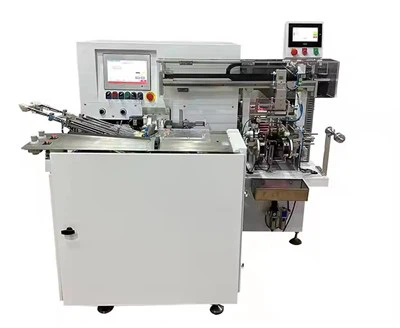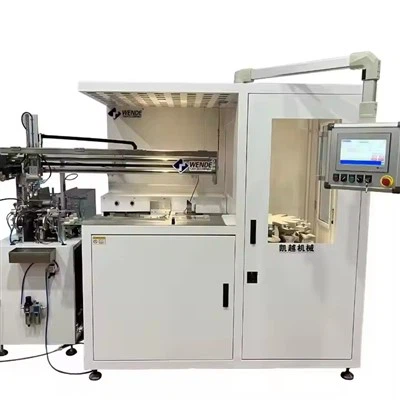

Hey there! I'm a supplier of Toothbrush Machine Tufting, and over the years, I've seen my fair share of issues with these machines. In this blog, I'll be talking about the common failures of toothbrush machine tufting and how you can deal with them.
1. Inconsistent Tufting Height
One of the most common problems we come across is inconsistent tufting height. You know, when some bristles are longer than others on a toothbrush. This can happen for a few reasons.
First off, the tufting needles might be worn out. These needles are like the workhorses of the tufting process. If they're old or damaged, they won't be able to push the bristles in at the same depth every time. So, it's crucial to regularly check and replace the needles. You can find high - quality needles from reliable suppliers to ensure a consistent tufting height.
Another reason could be an issue with the bristle feeding system. If the bristles aren't being fed evenly into the tufting area, it can lead to uneven tufting. Maybe there's a blockage in the feeding tube or the tension of the bristle spool isn't right. Regular maintenance of the feeding system, like cleaning the tubes and adjusting the tension, can help solve this problem.
We offer a Tufting Machine for Toothbrush that is designed with advanced technology to minimize the chances of inconsistent tufting height. It has a precise needle control system and a well - engineered bristle feeding mechanism.
2. Bristle Breakage
Bristle breakage during the tufting process is another headache. Nobody wants to end up with a toothbrush that has broken bristles.
One cause of bristle breakage is excessive force applied during tufting. If the tufting machine is set to too high a pressure, it can snap the bristles. This might happen if the machine is misconfigured or if there's a problem with the pressure control system. You need to make sure that the pressure settings are appropriate for the type of bristles you're using.
The condition of the tufting needles also plays a role here. Dull or damaged needles can crush the bristles instead of smoothly inserting them, leading to breakage. As I mentioned earlier, regular needle replacement is essential.
Our High Efficiency Toothbrush Tufting Machine is equipped with a pressure - regulating feature that allows you to adjust the force according to the bristle type. This helps reduce the risk of bristle breakage and ensures a high - quality tufting result.
3. Poor Bristle Retention
Poor bristle retention means that the bristles start falling out of the toothbrush head too easily. This is a major issue as it affects the usability and lifespan of the toothbrush.
The adhesive used in the tufting process is a key factor. If the adhesive isn't of good quality or if it's not applied correctly, the bristles won't stay in place. You need to choose a high - quality adhesive that is specifically designed for toothbrush tufting. Also, the application process should be precise, ensuring that the adhesive covers the base of the bristles properly.
The design of the tufting holes in the toothbrush head can also impact bristle retention. If the holes are too large or not properly shaped, the bristles won't have a good grip. When manufacturing the toothbrush heads, it's important to pay attention to the hole specifications.


Our New Toothbrush Tufting Machine can work in harmony with different types of adhesives and is designed to create well - shaped tufting holes, improving the overall bristle retention.
4. Machine Jamming
Machine jamming is a real pain in the neck. It can halt the production process and cause delays.
Bristle clogs are a common cause of machine jamming. If the bristles get tangled or bunched up in the feeding system or the tufting area, it can stop the machine from working properly. Regular cleaning of the machine, especially the areas where the bristles pass through, can prevent this.
Another reason could be mechanical issues, like a problem with the gears or belts. These components can wear out over time, and if not replaced, they can cause the machine to jam. It's important to have a maintenance schedule in place to check and replace these parts before they cause serious problems.
5. Incorrect Bristle Pattern
Sometimes, the tufting machine might create an incorrect bristle pattern on the toothbrush. This can happen due to programming errors in the machine's control system.
If the machine is programmed to create a specific pattern, but there's a glitch in the code, the bristles won't be arranged as intended. It's important to double - check the programming and make sure that all the settings are correct.
Also, mechanical misalignments can lead to an incorrect bristle pattern. For example, if the tufting head isn't properly aligned with the toothbrush base, the pattern will be off. Regular calibration of the machine can help avoid this issue.
How to Minimize These Failures
To minimize these common failures, regular maintenance is key. This includes cleaning the machine, checking and replacing worn - out parts, and calibrating the settings. Training your staff on how to operate the machine correctly is also crucial. They should know how to troubleshoot minor issues and when to call for professional help.
When you're in the market for a toothbrush tufting machine, choose a reliable supplier. We've been in the business for a long time and have a reputation for providing high - quality machines. Our machines are designed with the latest technology to reduce the chances of these common failures.
If you're facing any of these issues with your current toothbrush tufting machine or if you're looking to invest in a new one, don't hesitate to reach out. We can offer you solutions tailored to your specific needs. Whether it's advice on maintenance, replacement parts, or a brand - new machine, we're here to help. Contact us to start a discussion about your toothbrush tufting requirements.
References
- Industry research on toothbrush manufacturing processes
- Internal records of machine failures and solutions from our company's experience