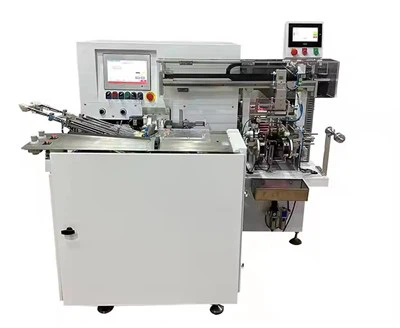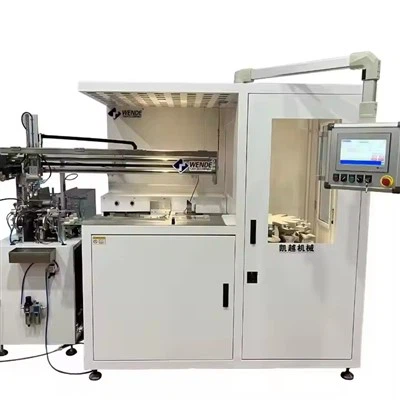

Hey there! As a supplier of toothbrush packaging machines, I've seen firsthand how crucial it is to keep these machines in top - notch condition. A well - maintained toothbrush packaging machine not only ensures smooth production but also extends the machine's lifespan, saving you both time and money in the long run. So, let's dive into how you can maintain your toothbrush packaging machine effectively.
Regular Cleaning
Cleaning is the most basic yet vital part of machine maintenance. After each production run, it's essential to remove any debris, dust, or leftover packaging materials from the machine. Use a soft brush or compressed air to clean hard - to - reach areas. For example, the conveyor belts can accumulate dust and small particles over time, which can affect their movement. Wipe down the exterior of the machine with a clean, damp cloth to remove fingerprints and dirt.
When it comes to the interior components, such as the sealing units and cutting blades, be extra careful. Use a mild cleaning agent recommended by the machine manufacturer. Avoid using abrasive cleaners as they can damage the sensitive parts. For instance, the heating elements in the sealing unit need to be clean to ensure proper heat transfer for a good seal. If there's any residue on these elements, it can lead to inconsistent seals, which is a big no - no in the packaging industry.
Lubrication
Proper lubrication is like giving your machine a health boost. All moving parts in the toothbrush packaging machine need to be lubricated regularly. Check the machine's manual to find out which parts need lubrication and what type of lubricant to use. Usually, the gears, bearings, and chains are the main components that require lubrication.
Over - lubrication can be just as bad as under - lubrication. Too much lubricant can attract dust and debris, creating a sticky mess that can slow down the machine or even cause damage. On the other hand, insufficient lubrication can lead to increased friction, which wears out the parts faster. So, follow the recommended lubrication schedule and use the right amount of lubricant.
Inspection of Parts
Regularly inspect all the parts of the toothbrush packaging machine. Look for signs of wear and tear, such as cracks, chips, or excessive corrosion. Pay special attention to the belts, as they are crucial for the smooth operation of the conveyor system. If a belt is worn out, it can slip, causing misalignment of the toothbrushes during packaging.
The cutting blades also need to be inspected frequently. Dull blades can result in uneven cuts, which can affect the overall appearance of the packaged toothbrushes. Replace any damaged or worn - out parts immediately to prevent further damage to the machine. You can find high - quality replacement parts from reliable suppliers, like the ones we offer for our Toothbrush Packing Machine.
Electrical System Check
The electrical system of the toothbrush packaging machine is the heart of its operation. Check all the electrical connections regularly to make sure they are tight and free of corrosion. Loose connections can cause electrical shorts, which can not only damage the machine but also pose a safety hazard.
Inspect the control panels and sensors. The sensors are responsible for detecting the position of the toothbrushes and the packaging materials. If a sensor is malfunctioning, it can lead to incorrect packaging or even machine jams. Test the emergency stop buttons to ensure they are working properly. In case of an emergency, these buttons can prevent serious accidents.
Calibration
Calibration is necessary to ensure that the machine is operating at its optimal performance. The settings for the sealing temperature, cutting length, and packaging speed need to be calibrated regularly. Incorrect calibration can lead to issues such as poor seals, incorrect packaging dimensions, or slow production speeds.


Refer to the machine's manual for the calibration process. It usually involves using specialized tools and following a step - by - step procedure. If you're not confident in calibrating the machine yourself, you can always contact our technical support team. We have experts who can guide you through the process or even perform the calibration on - site for our Toothbrush Blister Packaging Machine.
Operator Training
Well - trained operators are an important part of machine maintenance. Make sure your operators know how to operate the machine correctly. Provide them with comprehensive training on the machine's functions, safety procedures, and basic maintenance tasks.
Operators should be able to recognize early signs of machine problems, such as unusual noises or vibrations. They should also know how to perform simple troubleshooting steps, like clearing minor jams. Encourage them to report any issues immediately so that they can be addressed before they turn into major problems.
Preventive Maintenance Schedule
Create a preventive maintenance schedule for your toothbrush packaging machine. This schedule should include all the maintenance tasks we've discussed, such as cleaning, lubrication, inspection, calibration, and electrical system checks. Set specific intervals for each task based on the machine's usage and the manufacturer's recommendations.
Sticking to a preventive maintenance schedule can help you avoid unexpected breakdowns and costly repairs. It also ensures that your machine is always in good working condition, which is essential for meeting your production targets.
Record - Keeping
Keep detailed records of all the maintenance activities. This includes the date of each maintenance task, the parts replaced, and any problems encountered. These records can be very useful for future reference. For example, if a particular part keeps failing, you can look back at the records to see if there's a pattern or if there's a better replacement option.
By following these maintenance tips, you can ensure that your toothbrush packaging machine runs smoothly and efficiently for a long time. Whether you're using a Toothbrush Packaging Machinery for small - scale production or a large - scale industrial operation, proper maintenance is key.
If you're in the market for a new toothbrush packaging machine or need more information on maintenance, don't hesitate to reach out. We're here to help you make the best decisions for your business. Contact us to start a discussion about your packaging needs and how we can assist you.
References
- Manufacturer's manuals for toothbrush packaging machines
- Industry best practices for packaging machine maintenance
- Technical guides on electrical system maintenance and calibration