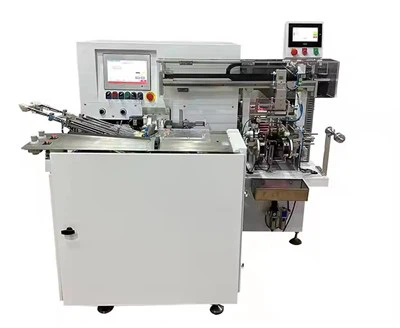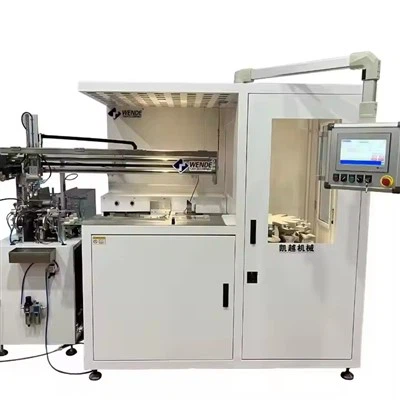

Hey there! As a supplier of household brush making machines, I've seen firsthand how crucial it is to optimize machine settings for different brush designs. Whether you're making small cleaning brushes or large brooms, getting the settings right can make a huge difference in the quality and efficiency of your production. In this blog post, I'll share some tips on how to optimize the settings of your household brush making machine for various brush designs.
Understanding the Basics of Brush Design
Before we dive into the settings, let's quickly go over the basic elements of brush design. The main components of a brush include the bristles, the brush body, and the handle. The type of bristles you use, their length, and the density will all affect the performance of the brush. The brush body can be made of different materials, such as plastic or wood, and its shape and size will depend on the intended use of the brush. The handle is also an important part, as it provides the user with a comfortable grip.
Adjusting the Bristle Feeding System
One of the first things you need to optimize is the bristle feeding system. Different brush designs require different amounts and types of bristles. For example, a scrub brush might need thick, stiff bristles, while a dusting brush might require soft, fine bristles.
To adjust the bristle feeding system, you'll need to set the correct bristle length and feed rate. Most modern household brush making machines allow you to easily adjust these settings. Start by referring to the design specifications of the brush you're making. If you're using a CNC Broom Tufting Machine, it often comes with advanced controls that let you precisely set the bristle length and feed speed.
Make sure the bristles are fed evenly into the tufting area. Uneven feeding can lead to an inconsistent brush appearance and affect its performance. You may need to do some trial and error to find the optimal settings for your specific brush design.
Setting the Tufting Density
Tufting density refers to how closely the bristles are packed together in the brush. This setting is crucial as it impacts the brush's cleaning ability and durability. For a brush that needs to scrub hard surfaces, a higher tufting density is usually better. On the other hand, a brush for light dusting can have a lower tufting density.


Most household brush making machines have a setting to control the tufting density. You can adjust it by changing the distance between each tuft or the number of bristles per tuft. If you're using a Household Cleaning Brushes Making Machine, you can experiment with different density settings to see which one works best for your brush design.
Keep in mind that a higher tufting density may require more bristles and take longer to produce each brush. So, you'll need to balance the quality of the brush with the production efficiency.
Controlling the Brush Body Shaping
The shape of the brush body is another important aspect of brush design. Different brushes have different body shapes, such as rectangular, circular, or oval. Your household brush making machine should be able to accommodate these different shapes.
If your machine has a mold or shaping mechanism, make sure it's set correctly for the desired brush body shape. You may need to adjust the pressure and temperature settings if the brush body is made of a material that requires heat or pressure to shape, like plastic.
For example, if you're making a round cleaning brush, the machine should be adjusted to form a circular brush body. Check the alignment and the dimensions regularly to ensure the brush body is shaped accurately.
Optimizing the Handle Attachment
The handle is what makes the brush easy to use. Depending on the brush design, you may need to attach the handle in different ways. Some brushes have a simple snap - on handle, while others require a more complex attachment method.
Your machine should be set up to handle the specific handle attachment process. If the handle is attached using glue, you need to set the correct amount of glue and the drying time. If it's a mechanical attachment, make sure the alignment and the clamping force are right.
A well - attached handle not only makes the brush more comfortable to use but also adds to its overall durability.
Considering the Brush Design Complexity
Some brush designs are more complex than others. For example, a brush with multiple colors of bristles or a unique pattern will require more advanced machine settings.
If you're making a brush with multiple colors of bristles, your machine needs to be able to switch between different bristle feeds accurately. This may involve programming the machine to alternate between different bristle types at the right intervals.
For brushes with patterns, you may need to use a machine with more advanced programming capabilities. The Household Cleaning Brushes Tufting Machine can often be programmed to create various patterns, but you'll need to spend some time setting up the right parameters.
Testing and Fine - Tuning
Once you've made the initial adjustments to the machine settings, it's important to test the production. Make a few sample brushes and carefully inspect them. Look for any issues such as uneven bristles, loose handles, or incorrect shaping.
If you find any problems, go back and fine - tune the settings. This may involve making small adjustments to the bristle feeding, tufting density, or other parameters. Keep testing and adjusting until you're satisfied with the quality of the brushes.
Conclusion
Optimizing the settings of a household brush making machine for different brush designs is a process that requires patience and attention to detail. By understanding the basic elements of brush design and carefully adjusting the machine settings for each component, you can produce high - quality brushes efficiently.
If you're in the market for a household brush making machine or need more advice on optimizing your current machine's settings, don't hesitate to reach out. We're here to help you make the most of your brush production. Whether you're a small business or a large manufacturer, our machines and expertise can take your brush production to the next level. Contact us today to start a discussion about your specific needs and how we can assist you in achieving the best results.
References
- Brush Manufacturing Handbook: A comprehensive guide on brush design and manufacturing processes.
- Industry research reports on household brush production trends and best practices.