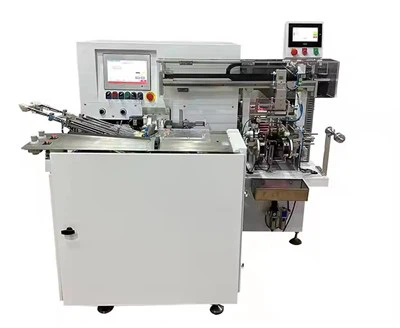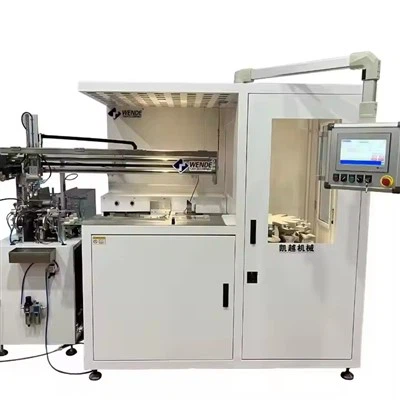

Hey there! As a supplier of toothbrush feeder machines, I've seen firsthand how crucial it is for these machines to be productive. In today's competitive market, maximizing output while maintaining quality is the name of the game. So, let's dive into some practical ways to make your toothbrush feeder machine more productive.
1. Regular Maintenance and Upkeep
First off, regular maintenance is non - negotiable. A well - maintained machine runs smoothly and efficiently. You should have a scheduled maintenance plan in place. This includes cleaning the machine after each shift or production run. Dust, debris, and toothbrush bristles can accumulate over time and cause jams or slow down the feeding process.
Lubrication is also key. Make sure all the moving parts are properly lubricated as per the manufacturer's recommendations. This reduces friction, which in turn decreases wear and tear on the components. It can prevent breakdowns and keep the machine running at its optimal speed.
Inspect the machine for any signs of damage or wear regularly. Replace worn - out parts promptly. A small issue left unattended can turn into a major problem that shuts down production. By keeping your machine in top - notch condition, you can avoid unexpected downtime and keep the productivity levels high.
2. Operator Training
Your machine is only as good as the person operating it. Investing in comprehensive operator training is a must. Train your operators on how to use the machine correctly, including setting up the machine for different types of toothbrushes, adjusting the feeding speed, and troubleshooting common issues.


A well - trained operator can identify potential problems early on and take corrective action. They can also optimize the machine's settings to achieve the best results. For example, they can adjust the feeding rate based on the type of toothbrush being produced, whether it's a soft - bristled or a hard - bristled one.
Encourage your operators to share their experiences and suggestions for improvement. They are the ones on the front lines, and they may have valuable insights that can lead to increased productivity.
3. Upgrade the Machine
Technology is constantly evolving, and upgrading your toothbrush feeder machine can significantly boost productivity. Look for new features and improvements that can streamline the production process. For instance, some modern machines come with advanced sensors that can detect and reject defective toothbrushes automatically. This reduces the need for manual inspection and speeds up the overall production.
You might also consider upgrading to a machine with a higher feeding capacity. If your current machine can only handle a certain number of toothbrushes per minute, upgrading to a more powerful model can increase your output. Check out our Auto - feeding Toothbrush Making Machine for an example of a high - tech, productive option.
Another area where upgrades can make a difference is in the software. New software can offer better control over the machine, allowing for more precise adjustments and better monitoring of production data.
4. Optimize the Workflow
The layout of your production area and the workflow can have a big impact on productivity. Make sure the raw materials are easily accessible to the machine. A disorganized workspace can lead to wasted time as operators search for the right parts or materials.
Arrange the production line in a logical sequence. The toothbrush feeder machine should be integrated seamlessly with other machines in the production process, such as the tufting machine and the packaging machine. This reduces the time it takes for the toothbrushes to move from one stage to the next.
Consider implementing a just - in - time inventory system. This ensures that you have the right amount of raw materials at the right time, minimizing storage costs and reducing the risk of overstocking or running out of materials.
5. Use Quality Raw Materials
The quality of the raw materials you use can affect the productivity of your toothbrush feeder machine. Low - quality materials can cause jams, breakages, and other issues that slow down production. Invest in high - quality toothbrush handles, bristles, and other components.
High - quality materials are more consistent in size and shape, which makes it easier for the machine to handle them. They also produce better - looking and more durable toothbrushes, which can enhance your brand reputation. For example, using high - quality bamboo for toothbrush handles can not only be eco - friendly but also ensure smooth feeding in our Automatic Bamboo ToothbrushHandle Feeding Machine.
6. Data Analysis
Collecting and analyzing production data can provide valuable insights into how your toothbrush feeder machine is performing. Track metrics such as the number of toothbrushes produced per hour, the downtime, and the defect rate.
Use this data to identify trends and patterns. For example, if you notice that the defect rate is higher during a certain shift, you can investigate the cause, whether it's due to operator error, machine settings, or raw material quality.
Based on the data analysis, you can make informed decisions to improve productivity. You might adjust the machine settings, change the raw materials, or provide additional training to the operators.
7. Implement Lean Manufacturing Principles
Lean manufacturing focuses on eliminating waste and improving efficiency. Apply these principles to your toothbrush production process. Identify and eliminate any non - value - added activities, such as excessive movement of materials or unnecessary waiting times.
Use visual management techniques to keep the production area organized. For example, use color - coded labels to identify different types of raw materials and finished products. This makes it easier for operators to find what they need quickly.
Implement a continuous improvement culture. Encourage your team to look for ways to eliminate waste and improve the production process on an ongoing basis.
8. Collaborate with Suppliers
Build strong relationships with your raw material suppliers. Work with them to ensure a steady supply of high - quality materials. They may also be able to offer suggestions for improving the production process.
For example, they might recommend a new type of bristle material that is more suitable for your machine and can increase the production speed. By collaborating with your suppliers, you can stay ahead of the curve and keep your production running smoothly.
9. Consider Automation
Automation can take productivity to the next level. Look for opportunities to automate certain tasks in the toothbrush production process. For example, you can automate the loading and unloading of toothbrushes from the machine. This reduces the need for manual labor, which can be time - consuming and error - prone.
Automated systems can also work continuously without breaks, increasing the overall production capacity. Our Special Holes Toothbrush Tufting Machine is an example of a machine that incorporates automation to improve productivity.
10. Monitor and Evaluate
Finally, continuously monitor and evaluate the productivity of your toothbrush feeder machine. Set clear productivity goals and track your progress towards achieving them. Use the data you collect to make adjustments as needed.
If you're not meeting your productivity targets, don't be afraid to make changes. It could be a matter of adjusting the machine settings, providing more training to the operators, or upgrading the machine. By constantly striving for improvement, you can keep your production levels high and stay competitive in the market.
In conclusion, making your toothbrush feeder machine more productive requires a combination of regular maintenance, operator training, machine upgrades, workflow optimization, and data - driven decision - making. By implementing these strategies, you can increase your output, reduce costs, and improve the quality of your toothbrushes.
If you're interested in learning more about our toothbrush feeder machines or have any questions about improving productivity, feel free to reach out to us. We're here to help you take your toothbrush production to the next level.
References
- Manufacturing Best Practices Handbook
- Lean Manufacturing for Dummies
- Toothbrush Production Technology Journals