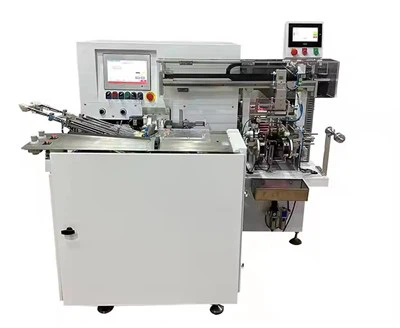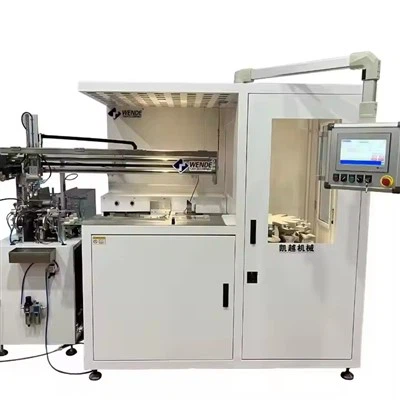

In the dynamic landscape of toothbrush manufacturing, the tufting machine stands as a cornerstone technology. As a dedicated supplier of tufting machines for toothbrush production, I've witnessed firsthand the transformative power of these machines and the boundless potential for upgrades. This blog post delves into the upgrade potential of tufting machines, exploring the technological advancements, benefits, and considerations that can elevate toothbrush production to new heights.
Technological Advancements Driving Upgrade Potential
The field of tufting machine technology is constantly evolving, driven by innovations in automation, precision engineering, and materials science. These advancements offer significant upgrade opportunities for toothbrush manufacturers looking to enhance productivity, quality, and flexibility.
Automation and Robotics
One of the most significant trends in tufting machine technology is the integration of automation and robotics. Automated tufting machines can perform tasks such as bristle feeding, trimming, and quality control with minimal human intervention, reducing labor costs and increasing production efficiency. For example, CNC Tufting Machine utilizes computer numerical control (CNC) technology to precisely control the tufting process, ensuring consistent bristle placement and length. This not only improves the quality of the toothbrushes but also allows for greater customization and flexibility in production.
Precision Engineering
Advancements in precision engineering have enabled tufting machines to achieve higher levels of accuracy and repeatability. Modern tufting machines can place bristles with micron-level precision, resulting in toothbrushes with uniform bristle density and alignment. This precision is essential for producing high-quality toothbrushes that meet the strict standards of the dental industry. Additionally, precision engineering allows for the use of finer and more delicate bristles, which can provide a more gentle and effective cleaning experience for consumers.
Materials Science
The development of new materials has also had a significant impact on tufting machine technology. For example, the use of high-performance polymers and composites in bristle manufacturing has led to the development of stronger, more durable, and more flexible bristles. These advanced materials can withstand the rigors of daily use and provide better cleaning performance. Tufting machines can now be upgraded to handle these new materials, allowing manufacturers to produce toothbrushes with enhanced features and benefits.


Benefits of Upgrading Tufting Machines
Upgrading tufting machines offers a multitude of benefits for toothbrush manufacturers, including improved productivity, quality, and competitiveness.
Increased Productivity
Automation and advanced technology can significantly increase the productivity of tufting machines. By reducing manual labor and streamlining the production process, manufacturers can produce more toothbrushes in less time. This not only increases output but also reduces production costs, making it possible to offer more competitive pricing in the market.
Enhanced Quality
Upgraded tufting machines can produce toothbrushes with higher levels of quality and consistency. Precision engineering and advanced materials ensure that bristles are placed accurately and securely, resulting in toothbrushes that are more effective at cleaning teeth and gums. Additionally, automated quality control systems can detect and reject defective toothbrushes, ensuring that only the highest-quality products reach the market.
Greater Flexibility
Modern tufting machines offer greater flexibility in production, allowing manufacturers to produce a wider range of toothbrush designs and styles. With the ability to customize bristle placement, density, and length, manufacturers can meet the diverse needs and preferences of consumers. This flexibility also enables manufacturers to quickly adapt to changing market trends and customer demands.
Competitive Advantage
In today's highly competitive toothbrush market, upgrading tufting machines can provide a significant competitive advantage. By investing in the latest technology and equipment, manufacturers can differentiate themselves from their competitors and offer superior products at competitive prices. This can help to attract new customers, retain existing customers, and increase market share.
Considerations for Upgrading Tufting Machines
While upgrading tufting machines offers many benefits, there are also several considerations that manufacturers should keep in mind.
Cost
Upgrading tufting machines can be a significant investment, and manufacturers need to carefully consider the cost-benefit analysis. The cost of upgrading will depend on the type and extent of the upgrade, as well as the specific requirements of the manufacturer. However, in many cases, the long-term benefits of increased productivity, quality, and competitiveness can outweigh the initial investment.
Compatibility
When upgrading tufting machines, it is important to ensure that the new equipment is compatible with the existing production line. This includes considering factors such as the size, shape, and speed of the tufting machine, as well as the type of bristles and toothbrush handles that will be used. Manufacturers may need to make modifications to their production line or purchase additional equipment to ensure seamless integration.
Training and Support
Upgrading tufting machines often requires new skills and knowledge. Manufacturers need to provide training for their employees to ensure that they can operate and maintain the new equipment effectively. Additionally, it is important to choose a supplier that offers comprehensive technical support and after-sales service to address any issues or concerns that may arise.
Future-Proofing
As technology continues to evolve, it is important to choose a tufting machine that is future-proof. This means selecting a machine that can be easily upgraded and adapted to new technologies and materials. By investing in a future-proof tufting machine, manufacturers can ensure that their production line remains competitive and relevant in the long term.
Conclusion
The upgrade potential of tufting machines for toothbrush production is vast and offers significant benefits for manufacturers. Technological advancements in automation, precision engineering, and materials science have opened up new possibilities for improving productivity, quality, and flexibility. By carefully considering the cost, compatibility, training, and future-proofing, manufacturers can make informed decisions about upgrading their tufting machines and stay ahead of the competition in the toothbrush market.
If you are a toothbrush manufacturer looking to upgrade your tufting machines or explore new opportunities in toothbrush production, I encourage you to contact us to discuss your specific needs and requirements. Our team of experts is dedicated to providing you with the latest technology, equipment, and support to help you achieve your production goals.
References
- "Advancements in Toothbrush Manufacturing Technology" - Journal of Dental Research
- "Automation in the Toothbrush Industry" - International Journal of Manufacturing Technology
- "Materials Science and Toothbrush Design" - Dental Materials Journal