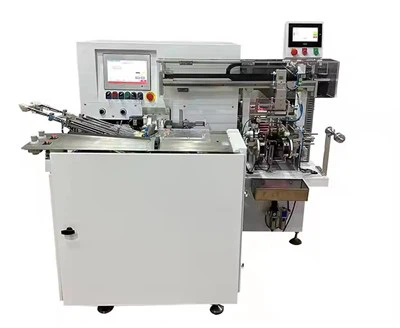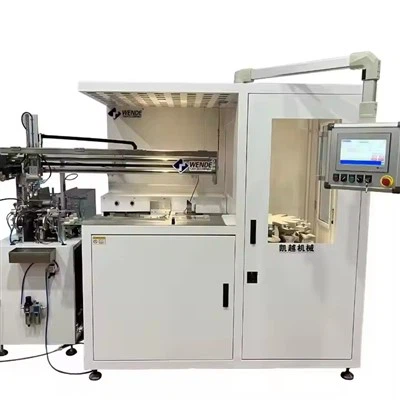

Hey there! As a supplier of Toothbrush Packing Machines, I often get asked about the power consumption of these machines. It's a crucial question, especially for businesses looking to manage their operational costs and environmental impact. So, let's dive right into it and explore what the power consumption of a toothbrush packing machine really looks like.
Understanding the Basics of Power Consumption
Before we get into the nitty - gritty of toothbrush packing machine power consumption, let's quickly go over what power consumption actually means. Power consumption is the amount of electrical energy a device uses over a certain period of time, usually measured in kilowatt - hours (kWh). In simple terms, it tells you how much electricity your machine is gobbling up.
The power consumption of a toothbrush packing machine can vary widely depending on several factors. These include the type of machine, its size, the technology it uses, and how often it's running.
Types of Toothbrush Packing Machines and Their Power Consumption
There are different types of toothbrush packing machines out there, each with its own power requirements.
Toothbrush Blister Packaging Machine
The Toothbrush Blister Packaging Machine is a popular choice for packing toothbrushes in blister packs. These machines typically have a heating element to seal the blisters, which consumes a significant amount of power. The power consumption of a blister packaging machine can range from around 3 to 10 kWh per hour, depending on its size and the complexity of the sealing process.


Smaller, table - top blister packaging machines may consume less power, around 3 - 5 kWh per hour. These are great for small - scale operations or for businesses just starting out. On the other hand, larger, industrial - grade blister packaging machines can consume up to 10 kWh per hour or more. These machines are designed for high - volume production and have more powerful components to handle the increased workload.
Toothbrush CNC Combination Machine
The Toothbrush CNC Combination Machine is a more advanced type of packing machine that combines multiple functions such as cutting, shaping, and packaging. These machines are highly automated and use sophisticated control systems.
The power consumption of a Toothbrush CNC Combination Machine can be a bit higher compared to a simple blister packaging machine. It usually ranges from 5 to 15 kWh per hour. The higher power consumption is due to the multiple motors and advanced electronics used in these machines. They need to power the cutting tools, conveyor belts, and the control system, all of which contribute to the overall power usage.
General Toothbrush Packing Machine
A standard Toothbrush Packing Machine that is used for basic packing operations might have a power consumption in the range of 2 to 8 kWh per hour. These machines are often used for simple tasks like wrapping toothbrushes in plastic film or placing them in boxes.
Factors Affecting Power Consumption
There are several factors that can influence the power consumption of a toothbrush packing machine:
Machine Size
Larger machines generally consume more power. This is because they have bigger motors, more components, and often a larger heating element (if applicable). For example, a large - scale industrial toothbrush packing machine that can handle thousands of toothbrushes per hour will need more power to operate compared to a small, desktop model.
Technology and Automation
More advanced and automated machines tend to use more power. Machines with high - tech features like touch - screen controls, robotic arms, and precision sensors require more electrical energy to function. These features improve the efficiency and accuracy of the packing process but come at the cost of higher power consumption.
Usage Frequency
How often the machine is running also affects its power consumption. If a machine is running continuously for long hours, it will consume more power compared to a machine that is used only sporadically. For example, a factory that runs its toothbrush packing machine 24/7 will have a much higher power bill than a small business that only uses the machine a few hours a day.
Maintenance
Proper maintenance of the machine can also impact power consumption. A well - maintained machine will run more efficiently and use less power. For instance, if the machine's motors are properly lubricated and the belts are in good condition, it will require less energy to operate. On the other hand, a machine that is not maintained well may have higher friction and other issues that can lead to increased power consumption.
Calculating Power Consumption
To calculate the power consumption of a toothbrush packing machine, you need to know the machine's power rating (in kilowatts, kW) and the number of hours it runs. The formula is simple:
Power consumption (kWh)=Power rating (kW)×Number of hours of operation
For example, if a toothbrush packing machine has a power rating of 5 kW and it runs for 8 hours a day, the daily power consumption would be 5 kW×8 hours = 40 kWh.
Reducing Power Consumption
If you're looking to reduce the power consumption of your toothbrush packing machine, here are some tips:
- Optimize Machine Settings: Adjust the machine's settings to use only the necessary power. For example, if the heating element in a blister packaging machine doesn't need to be at full power all the time, you can lower the temperature setting when it's not required.
- Regular Maintenance: As mentioned earlier, keeping the machine in good condition can improve its efficiency. Regularly clean the machine, lubricate the moving parts, and check for any worn - out components.
- Use Energy - Efficient Components: When purchasing a toothbrush packing machine, look for models that use energy - efficient motors and other components. These can significantly reduce power consumption over time.
- Schedule Machine Usage: Try to run the machine during off - peak hours when electricity rates are lower. This can help you save on your electricity bill.
Conclusion
So, as you can see, the power consumption of a toothbrush packing machine can vary depending on the type of machine, its size, and how it's used. By understanding these factors and taking steps to reduce power consumption, you can not only save on your electricity costs but also contribute to a more sustainable operation.
If you're in the market for a toothbrush packing machine and want to learn more about our products, feel free to reach out to us for a detailed discussion. We can help you choose the right machine for your needs and provide information on its power consumption and other specifications.
Let's work together to find the best packing solution for your toothbrush business!
References
- General knowledge about industrial machinery power consumption from industry experience.
- Manufacturer specifications for toothbrush packing machines.