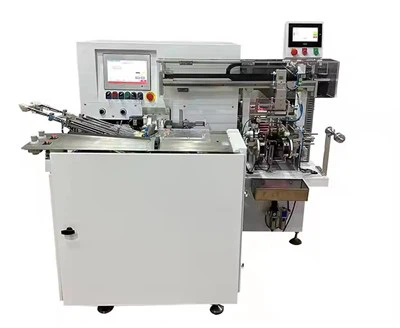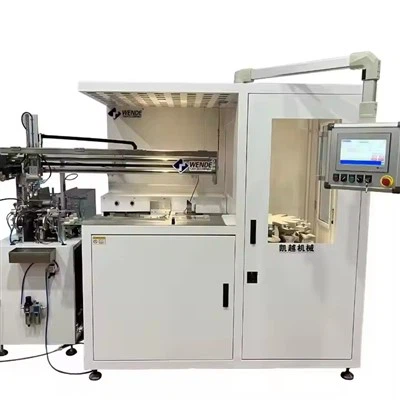

Hey there! As a supplier of toothbrush tufting machines, I've been thinking a lot about the environmental considerations when it comes to using these machines. In this blog, I'll share some insights on this topic and how we can make the toothbrush manufacturing process more eco - friendly.
Let's start with the materials. The toothbrush tufting machine is mainly used to insert bristles into the toothbrush head. The most common materials for bristles are nylon and polyester. While these synthetic materials are durable and effective for cleaning teeth, they are derived from petroleum, a non - renewable resource. The extraction and processing of petroleum have a significant environmental impact, including air and water pollution, and contribute to climate change.


However, there are more sustainable alternatives emerging in the market. Bamboo is one such option. Bamboo is a fast - growing plant that can be harvested without causing long - term damage to the environment. It's also biodegradable, which means it won't end up in landfills for hundreds of years. When using a Tufting Machine Toothbrush, we can adapt it to work with bamboo bristles. This requires some adjustments in the tufting process, but it's definitely doable.
Another important aspect is the energy consumption of the toothbrush tufting machine. These machines typically run on electricity, and if the electricity is generated from fossil fuels, it adds to the carbon footprint. To reduce this impact, we can invest in energy - efficient models. For example, our High Performance Toothbrush Tufting Machine is designed with advanced technology to minimize energy use. It uses sensors to optimize the operation, so it only consumes power when necessary. This not only saves energy but also reduces the overall cost of production for our customers.
Water usage is also a concern in the toothbrush manufacturing process. Some tufting machines require water for cooling or cleaning purposes. Excessive water use can lead to water scarcity, especially in regions where water is already a limited resource. We can implement water - recycling systems in our factories. By treating and reusing the water, we can significantly reduce the amount of fresh water needed. This is not only good for the environment but also makes the manufacturing process more cost - effective.
Waste management is another key area. During the tufting process, there may be some waste generated, such as excess bristles or small pieces of the toothbrush head. Instead of simply throwing these away, we can find ways to recycle or reuse them. For instance, the excess bristles can be shredded and used as filler material in other products. This reduces the amount of waste going to landfills and also conserves resources.
When it comes to the packaging of toothbrushes, it's also important to consider the environmental impact. Traditional plastic packaging is a major contributor to plastic pollution. We can encourage our customers to use more sustainable packaging options, such as cardboard or biodegradable plastics. Our Double Color Toothbrush Manufacturing process can be paired with eco - friendly packaging solutions to create a more sustainable product from start to finish.
In addition to these technical aspects, we also need to think about the end - of - life of the toothbrushes. Most toothbrushes end up in landfills, where they take a long time to decompose. We can promote the concept of circular economy in the toothbrush industry. This means designing toothbrushes that are easier to disassemble and recycle. For example, we can use a modular design for the toothbrush, where the bristles and the handle can be easily separated. This makes it possible to recycle each part separately, reducing the environmental impact.
As a toothbrush tufting machine supplier, we have a responsibility to lead the way in promoting environmental sustainability. We can work closely with our customers to help them make more eco - friendly choices. Whether it's through providing machines that can work with sustainable materials, reducing energy and water consumption, or improving waste management, there are many ways we can contribute to a greener future.
If you're interested in learning more about our toothbrush tufting machines and how they can help you achieve a more sustainable manufacturing process, feel free to reach out. We're always happy to have a chat and discuss how we can work together to make the toothbrush industry more environmentally friendly.
References
- "Sustainable Materials in Consumer Products" by Greenpeace
- "Energy - Efficient Manufacturing Technologies" by the International Energy Agency
- "Waste Management in the Manufacturing Sector" by the United Nations Environment Programme