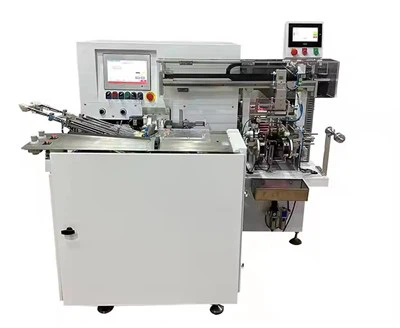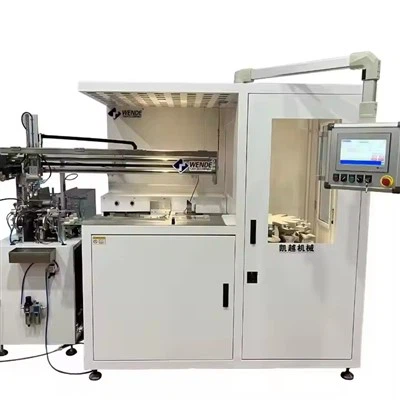

As a reputable supplier of toothbrush making machines, I understand the importance of ensuring that employees are well-trained to operate these complex pieces of equipment. Effective training not only enhances productivity but also reduces the risk of accidents and ensures the production of high-quality toothbrushes. In this blog post, I will share some valuable insights on how to train employees to operate a toothbrush making machine.
Pre - training Preparation
Before initiating the training process, it is crucial to assess the employees' existing knowledge and skills. This can be done through a simple questionnaire or a practical test. Based on the results, you can tailor the training program to meet the specific needs of each employee.
Gather all the necessary training materials, including the machine's user manual, safety guidelines, and operation diagrams. Make sure these materials are easily accessible to the trainees. Additionally, prepare a training area where the machine can be operated safely, away from any potential hazards.
Theoretical Training
The first phase of the training should focus on theoretical knowledge. Start by introducing the employees to the different types of toothbrush making machines available in the market. For instance, we offer the Automatic Tooth Brushing Machine, which is designed for high - volume production with minimal human intervention. The Bamboo Toothbrush Machine is ideal for those looking to produce eco - friendly toothbrushes, while the CNC SIEMENZ System Toothbrush Machine offers precise control and high accuracy.
Explain the basic principles of how the toothbrush making machine works. This includes understanding the functions of different components such as the injection molding unit, bristle tufting system, and packaging module. Use visual aids like diagrams and videos to make the learning process more engaging.
Cover safety procedures in detail. Emphasize the importance of wearing personal protective equipment (PPE) such as safety glasses, gloves, and earplugs. Teach the employees how to identify potential safety hazards, such as moving parts, hot surfaces, and electrical components, and how to avoid them. Provide information on emergency stop buttons and evacuation routes in case of an accident.
Practical Training
Once the employees have a solid theoretical foundation, it's time to move on to practical training. Start with a demonstration of the machine's operation. Show the employees how to turn on the machine, set the parameters, and perform basic tasks such as loading raw materials and starting the production cycle.


Allow the employees to practice operating the machine under supervision. Start with simple tasks and gradually increase the complexity as they gain more confidence. Provide immediate feedback on their performance, highlighting areas where they need improvement.
Encourage the employees to ask questions during the practical training. This will help them clarify any doubts they may have and ensure that they fully understand the operation of the machine.
Troubleshooting Training
No matter how well - trained the employees are, there may be times when the machine encounters problems. Therefore, it is essential to provide troubleshooting training. Teach the employees how to identify common problems such as blockages, malfunctions in the bristle tufting system, or issues with the injection molding process.
Show them how to perform basic troubleshooting steps, such as checking for loose connections, cleaning the machine, and replacing worn - out parts. Provide a troubleshooting guide that the employees can refer to in case of problems.
Quality Control Training
Producing high - quality toothbrushes is crucial for the success of any toothbrush manufacturing business. Therefore, it is important to train the employees on quality control procedures. Teach them how to inspect the finished toothbrushes for defects such as uneven bristles, cracks in the handle, or improper packaging.
Show them how to use quality control tools such as calipers, gauges, and magnifying glasses. Provide guidelines on acceptable quality standards and how to reject defective products.
Continuous Training and Support
Training is not a one - time event. To ensure that the employees stay up - to - date with the latest technology and best practices, it is important to provide continuous training and support. This can include regular refresher courses, updates on new machine features, and training on emerging trends in the toothbrush manufacturing industry.
Establish a support system where the employees can seek help whenever they encounter problems. This can be in the form of a dedicated technical support team or an online forum where they can share their experiences and get advice from their colleagues.
Conclusion
Training employees to operate a toothbrush making machine is a comprehensive process that requires careful planning and execution. By providing a combination of theoretical and practical training, troubleshooting training, and quality control training, you can ensure that your employees are well - equipped to operate the machine safely and efficiently.
If you are interested in purchasing our toothbrush making machines or need more information about our training programs, please feel free to reach out to us. We are committed to providing you with the best products and services to help you succeed in the toothbrush manufacturing industry.
References
- Toothbrush Manufacturing Industry Handbook
- Machine Operation Manuals for Toothbrush Making Machines