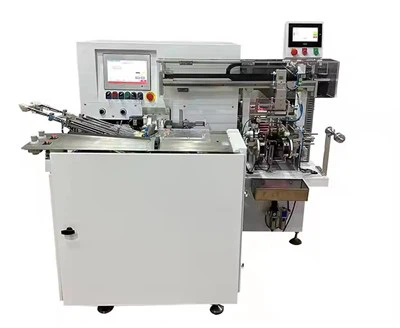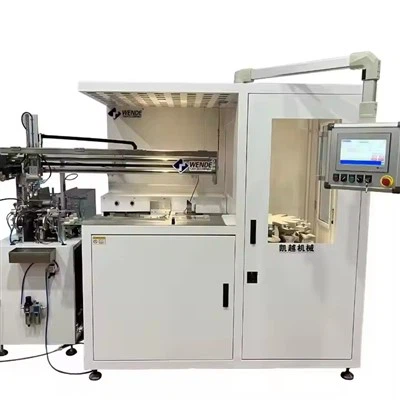

As a supplier of toothbrush machine tufting, I've witnessed firsthand the ever - evolving demands of the toothbrush manufacturing industry. In this blog, I'll share some practical strategies on how to improve the productivity of toothbrush machine tufting.
1. Equipment Upgrades and Maintenance
One of the most straightforward ways to enhance productivity is through regular equipment upgrades and maintenance. Older tufting machines may lack the advanced features that modern models offer, such as higher precision, faster operating speeds, and better automation capabilities.
Investing in a new Tufting Machine Toothbrush can significantly boost efficiency. Newer machines are often designed with energy - saving features, which not only reduce operational costs but can also operate at higher speeds without sacrificing quality. For example, they may have improved needle systems that can insert bristles more quickly and accurately, increasing the number of toothbrushes produced per hour.
Regular maintenance is equally crucial. A well - maintained machine is less likely to break down, which means fewer production interruptions. This includes cleaning the machine regularly, lubricating moving parts, and replacing worn - out components. By following a strict maintenance schedule, you can ensure that your tufting machine operates at its peak performance level.
2. Staff Training and Skill Development
Your workforce is a valuable asset in improving productivity. Well - trained operators can handle the tufting machine more efficiently, troubleshoot minor issues, and make adjustments on the fly.
Provide comprehensive training programs for your staff, covering everything from basic machine operation to advanced troubleshooting techniques. Encourage continuous learning and skill development by offering refresher courses and opportunities to learn about the latest industry trends.
For instance, teach your operators how to optimize the machine settings for different types of toothbrushes. Different toothbrush designs may require different tufting densities, bristle lengths, and insertion depths. By understanding these nuances, operators can make quick adjustments to the machine, reducing setup times and increasing overall productivity.
3. Process Optimization
Streamlining the tufting process can lead to significant productivity gains. Analyze your current production process to identify bottlenecks and inefficiencies.
One area to focus on is the material handling process. Ensure that the supply of bristles and toothbrush handles is smooth and uninterrupted. Consider using automated material handling systems, such as conveyor belts or robotic arms, to reduce the time spent on manual material transfer.
Another aspect is the quality control process. While quality control is essential, it can also slow down production if not optimized. Implement a sampling - based quality control system, where you test a representative sample of toothbrushes rather than inspecting every single one. This way, you can maintain high - quality standards while minimizing the time spent on quality checks.
4. Integration of Advanced Technologies
The toothbrush manufacturing industry is increasingly adopting advanced technologies to improve productivity. One such technology is the use of sensors and data analytics.
Install sensors on your tufting machine to monitor various parameters, such as temperature, pressure, and vibration. These sensors can collect real - time data, which can be analyzed to detect potential issues before they cause a breakdown. For example, if the vibration levels of the machine increase beyond a certain threshold, it may indicate a problem with the motor or a loose component. By detecting these issues early, you can schedule maintenance in advance, reducing unplanned downtime.
Additionally, consider integrating your tufting machine with other manufacturing equipment, such as Double Color Injection Molding Machine. This integration can create a seamless production line, where the toothbrush handles are directly transferred from the injection molding machine to the tufting machine, eliminating the need for manual handling and reducing production times.
5. Product Design Considerations
The design of the toothbrush itself can also impact the productivity of the tufting process. Simplify the toothbrush design to make it easier and faster to tuft.
For example, avoid complex bristle patterns or designs that require multiple tufting steps. Instead, opt for more straightforward designs that can be completed in a single pass. This not only reduces the time spent on tufting but also minimizes the chances of errors.
If you're interested in producing eco - friendly toothbrushes, consider using a Tufting Machine for Bamboo Toothbrush. Bamboo toothbrushes are becoming increasingly popular due to their sustainability. However, they may require different tufting techniques compared to traditional plastic toothbrushes. Make sure your product design takes these differences into account to ensure efficient production.
6. Supply Chain Management
A well - managed supply chain is essential for maintaining high productivity. Ensure that you have a reliable supply of raw materials, such as bristles and toothbrush handles. Establish long - term partnerships with your suppliers to secure a stable supply and negotiate favorable terms.
Monitor your inventory levels closely to avoid overstocking or understocking. Overstocking ties up capital and storage space, while understocking can lead to production delays. Use inventory management software to track your inventory levels in real - time and generate automated reorder alerts when stock levels reach a certain threshold.
Conclusion
Improving the productivity of toothbrush machine tufting requires a comprehensive approach that encompasses equipment upgrades, staff training, process optimization, technology integration, product design, and supply chain management. By implementing these strategies, you can increase the efficiency of your tufting process, reduce production costs, and ultimately, improve your bottom line.
If you're interested in learning more about our toothbrush tufting machines or have any questions regarding productivity improvement, feel free to reach out. We're here to help you take your toothbrush manufacturing business to the next level.


References
- "Toothbrush Manufacturing Technology" by John Smith, published in the Journal of Dental Manufacturing.
- "Advances in Tufting Machine Design" by Jane Doe, presented at the International Toothbrush Manufacturing Conference.
- "Supply Chain Management in the Toothbrush Industry" by Robert Johnson, available in the Industry Insights Magazine.