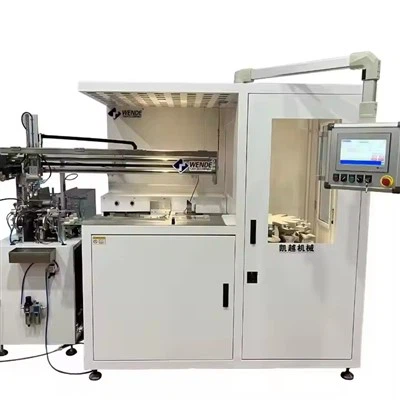

How to Adjust the Parameters of a Toothbrush Machine Tufting
As a supplier of toothbrush machine tufting, I understand the significance of proper parameter adjustment in ensuring the quality and efficiency of toothbrush production. In this blog, I will share some insights on how to adjust the parameters of a toothbrush machine tufting, based on my experiences in the industry.
Understanding the Basics of Toothbrush Machine Tufting
Toothbrush machine tufting is a crucial process in toothbrush manufacturing. It involves inserting bristles into the toothbrush head to create the brushing surface. The quality of tufting directly affects the performance and durability of the toothbrush. Therefore, it is essential to adjust the parameters of the tufting machine accurately to achieve the desired results.
Key Parameters to Adjust
-
Bristle Insertion Depth
The bristle insertion depth is a critical parameter that determines the stability and effectiveness of the tufting. If the bristles are inserted too shallow, they may fall out easily, reducing the lifespan of the toothbrush. On the other hand, if the bristles are inserted too deep, it may damage the toothbrush head. To adjust the bristle insertion depth, you can refer to the machine's manual or consult the manufacturer. Generally, the insertion depth should be adjusted according to the type and thickness of the bristles. -
Bristle Density
Bristle density refers to the number of bristles per unit area on the toothbrush head. A higher bristle density can provide better cleaning performance, but it may also increase the cost of production. To adjust the bristle density, you can change the spacing between the tufting needles or adjust the feeding speed of the bristles. It is important to find a balance between bristle density and cost to ensure the optimal performance of the toothbrush. -
Tufting Speed
The tufting speed affects the production efficiency of the toothbrush machine. A higher tufting speed can increase the output, but it may also reduce the quality of the tufting. To adjust the tufting speed, you can adjust the motor speed or the frequency of the tufting mechanism. It is important to find the right speed that can balance the production efficiency and quality. -
Needle Pressure
The needle pressure is another important parameter that affects the quality of the tufting. If the needle pressure is too high, it may damage the bristles or the toothbrush head. If the needle pressure is too low, the bristles may not be inserted firmly. To adjust the needle pressure, you can adjust the spring tension or the hydraulic pressure of the tufting mechanism. It is important to ensure that the needle pressure is consistent throughout the tufting process.
Steps to Adjust the Parameters
-
Prepare the Machine
Before adjusting the parameters, it is important to ensure that the toothbrush machine is in good working condition. Check the machine for any signs of damage or malfunction, and make sure that all the components are properly installed and lubricated. -
Set the Initial Parameters
Based on the type and specifications of the toothbrush, set the initial parameters for the tufting machine. Refer to the machine's manual or consult the manufacturer for the recommended parameters. -
Test the Machine
After setting the initial parameters, run a test on the toothbrush machine to check the quality of the tufting. Inspect the tufted toothbrushes for any defects, such as loose bristles or uneven tufting. If any problems are found, adjust the parameters accordingly. -
Fine-tune the Parameters
Based on the test results, fine-tune the parameters to achieve the desired quality and efficiency. Make small adjustments to the parameters and test the machine again until the optimal results are obtained. -
Monitor the Production
Once the parameters are adjusted, monitor the production process to ensure that the quality of the tufting remains consistent. Check the tufted toothbrushes regularly for any signs of defects or changes in quality. If any problems are found, adjust the parameters immediately.
Importance of Proper Parameter Adjustment
Proper parameter adjustment is essential for ensuring the quality and efficiency of toothbrush production. By adjusting the parameters accurately, you can achieve the following benefits:
- Improved Quality
Accurate parameter adjustment can ensure that the bristles are inserted firmly and evenly, resulting in a high-quality toothbrush. This can improve the cleaning performance and durability of the toothbrush, which can enhance the customer satisfaction. - Increased Efficiency
Proper parameter adjustment can increase the production efficiency of the toothbrush machine. By optimizing the tufting speed and other parameters, you can reduce the production time and increase the output. This can help you to meet the market demand and improve your competitiveness. - Cost Savings
Accurate parameter adjustment can also help you to save costs. By reducing the waste of bristles and other materials, you can lower the production cost. This can improve your profit margin and make your business more sustainable.
Conclusion
Adjusting the parameters of a toothbrush machine tufting is a crucial process that requires careful attention and expertise. By understanding the key parameters and following the steps outlined in this blog, you can ensure the quality and efficiency of toothbrush production. As a supplier of toothbrush machine tufting, we offer a range of High Efficiency Toothbrush Tufting Machine and High Performance Toothbrush Tufting Machine that are designed to meet the diverse needs of our customers. We also provide Double Color Injection Molding Machine for the production of toothbrush handles. If you are interested in our products or have any questions about toothbrush machine tufting, please feel free to contact us for further discussion and procurement negotiation.


References
- [Toothbrush Manufacturing Technology Handbook](Author, Publisher, Year)
- [Advanced Toothbrush Tufting Techniques](Author, Publisher, Year)