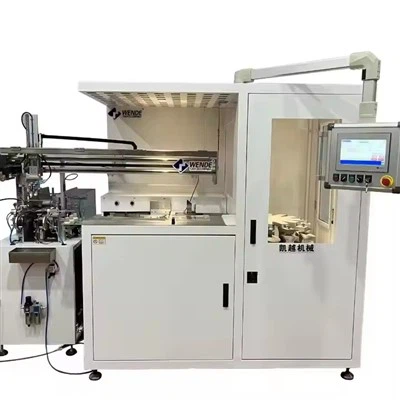

As a supplier of new toothbrush tufting machines, I often receive inquiries from customers about the maintenance frequency of these machines. In this blog, I will delve into this topic, providing scientific and reasonable insights based on industry knowledge and practical experience.
Understanding the Importance of Maintenance
Maintenance is crucial for any machinery, and toothbrush tufting machines are no exception. Regular maintenance not only ensures the smooth operation of the machine but also extends its service life, reduces downtime, and improves the quality of the toothbrushes produced. A well - maintained tufting machine can operate at its optimal efficiency, leading to higher productivity and lower production costs.
Factors Affecting Maintenance Frequency
1. Machine Usage
The frequency of machine usage is one of the most significant factors influencing maintenance requirements. If a toothbrush tufting machine is running continuously for long hours each day, it will experience more wear and tear compared to a machine that is used intermittently. For example, a machine in a large - scale toothbrush manufacturing plant that operates 24/7 will need more frequent maintenance than a machine in a small - scale workshop that is used only a few hours a day.
2. Operating Environment
The environment in which the tufting machine operates also plays a role in determining maintenance frequency. Machines operating in a dirty, dusty, or humid environment are more likely to accumulate debris and experience corrosion. For instance, if a machine is located in an area with high levels of airborne dust, the dust can enter the machine's components, causing abrasion and potentially leading to malfunctions. In such cases, more frequent cleaning and inspection are necessary.


3. Quality of Materials and Components
The quality of the materials and components used in the toothbrush tufting machine can affect its maintenance needs. High - quality components are generally more durable and require less frequent replacement. For example, a machine with high - grade bearings and motors is likely to have a longer service life and fewer breakdowns compared to a machine with lower - quality parts.
General Maintenance Guidelines
Daily Maintenance
- Cleaning: At the end of each working day, it is essential to clean the tufting machine. Remove any debris, such as toothbrush bristles, dust, and lubricant residues, from the machine's surface and internal components. Use a soft brush or compressed air to clean hard - to - reach areas.
- Lubrication: Check the lubrication levels of the machine's moving parts, such as gears, bearings, and chains. Add lubricant as needed to ensure smooth operation and reduce friction.
- Inspection: Conduct a visual inspection of the machine for any signs of damage, loose parts, or abnormal noises. Check the electrical connections and control panels to ensure they are functioning properly.
Weekly Maintenance
- In - depth Cleaning: Perform a more thorough cleaning of the machine, including disassembling and cleaning some of the components. This can help remove stubborn dirt and debris that may have accumulated over time.
- Component Check: Inspect critical components, such as the tufting needles, for wear and tear. Replace any worn - out components to prevent quality issues in the toothbrushes produced.
- Calibration: Check and calibrate the machine's settings to ensure accurate tufting. This includes adjusting the tufting depth, density, and pattern.
Monthly Maintenance
- Mechanical Inspection: Conduct a comprehensive mechanical inspection of the machine. Check the alignment of the moving parts, the tension of the belts, and the condition of the gears. Make any necessary adjustments to ensure proper operation.
- Electrical System Check: Inspect the electrical system, including the wiring, switches, and sensors. Look for any signs of overheating, short circuits, or loose connections. Replace any faulty electrical components.
Quarterly Maintenance
- Major Component Inspection: Inspect major components, such as the motor, drive system, and control unit. Check for signs of wear, damage, or performance degradation. Consider performing preventive maintenance on these components, such as replacing worn - out parts or conducting a full - scale service.
- Software Update: If the tufting machine is equipped with software, check for any available updates. Software updates can improve the machine's performance, add new features, and fix bugs.
Our Toothbrush Tufting Machines
We offer a range of high - quality toothbrush tufting machines, including the High Efficiency Toothbrush Tufting Machine, Toothbrush CNC Tufting Machine, and Toothbrush Machine Tufting. Our machines are designed with advanced technology and high - quality components, which not only ensure high - precision tufting but also reduce the need for frequent maintenance.
However, even with the best - built machines, regular maintenance is still essential. By following the maintenance guidelines mentioned above, you can keep our toothbrush tufting machines in top - notch condition and maximize their performance.
Contact Us for Purchasing and Consultation
If you are interested in our toothbrush tufting machines or have any questions about their maintenance, please feel free to contact us. We have a professional team that can provide you with detailed information and support. Whether you are a small - scale manufacturer or a large - scale production facility, we can offer the right solution for your needs.
References
- Machinery Handbook, 31st Edition, Industrial Press Inc.
- Toothbrush Manufacturing Technology Manual, Industry - specific Publication.