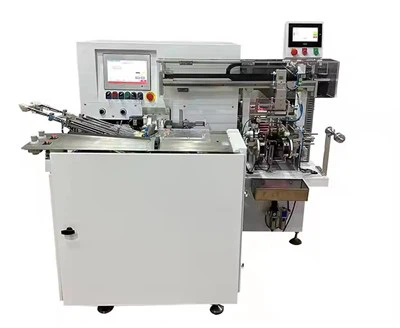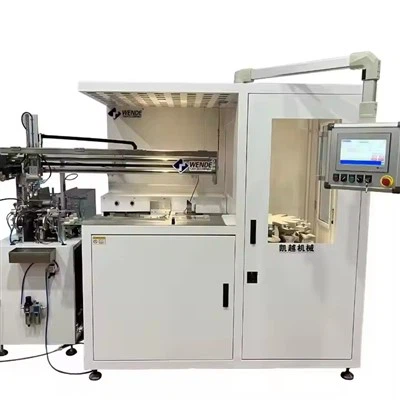

In the realm of brush production, the comparison between brushes made by household brush making machines and those from commercial manufacturers is a topic of significant interest. As a supplier of Household Brush Making Machine, I've witnessed firsthand the evolving landscape of brush manufacturing and the unique characteristics of brushes produced through different means.
Understanding the Basics of Brush Making
Before delving into the quality comparison, it's essential to understand the fundamental processes involved in brush making. Brushes are typically composed of a handle and bristles, and the quality of both components can vary depending on the manufacturing method. Commercial brush production often involves large - scale factories with specialized machinery, high - volume production capabilities, and strict quality control measures. These factories can produce a wide range of brushes, from small cosmetic brushes to large industrial ones, with consistent quality across batches.
On the other hand, household brush making machines are designed for smaller - scale production. They are more accessible to individuals or small businesses, allowing for greater customization and flexibility. These machines can be used to make various types of household brushes, such as toothbrushes, brooms, and hairbrushes.
Quality Factors in Brush Making
Several key factors contribute to the quality of a brush, including the materials used, the tufting process, and the overall construction.
Materials
The choice of materials is crucial in determining the quality of a brush. Commercial manufacturers often have access to a wider range of high - quality materials due to their large - scale purchasing power. They can source premium bristles, such as natural boar hair for paintbrushes or nylon filaments for toothbrushes, at a lower cost per unit. These materials are carefully selected for their durability, flexibility, and performance.
In contrast, household brush making machines can also use high - quality materials, but the sourcing may be more limited. However, this limitation can be offset by the ability to use unique or specialty materials. For example, an individual using a household machine might choose to use recycled materials or natural fibers, which can add a unique touch to the brush. The Electric Toothbrush Making Machine can work with different types of bristles, allowing for customization based on the user's preference.
Tufting Process
The tufting process is another critical factor in brush quality. Commercial brush making often employs advanced tufting techniques that ensure the bristles are firmly attached to the brush head. These techniques are highly automated and can produce a large number of brushes with consistent tufting quality. The machines used in commercial production are designed to handle high - speed tufting, resulting in a more efficient and precise process.
Household brush making machines, while not as high - speed as commercial ones, offer a more hands - on approach to tufting. This can result in a more personalized touch, as the user has greater control over the tufting density and pattern. The CNC Broom Tufting Machine uses computer - numerical control technology to create precise tufting patterns, which can enhance the functionality of the broom. However, the tufting quality may vary depending on the user's skill and experience.


Overall Construction
The overall construction of a brush includes the design of the handle, the attachment of the bristles to the handle, and the finishing touches. Commercial brushes are often designed with ergonomics in mind, ensuring a comfortable grip for the user. They also undergo rigorous quality control checks to ensure that the bristles are evenly distributed and that the brush is well - balanced.
Household - made brushes can be equally well - constructed, but the design may be more focused on functionality and personal preference. For example, a user might design a brush handle to fit their specific hand size or to match the decor of their home. The construction process may be more time - consuming, but it allows for greater creativity and customization.
Performance Comparison
When it comes to performance, both commercial and household - made brushes have their strengths and weaknesses.
Cleaning Efficiency
Commercial brushes are designed to meet specific cleaning standards and are often optimized for maximum cleaning efficiency. For example, a commercial broom is engineered to sweep up dirt and debris quickly and effectively, with a design that allows for easy maneuverability.
Household - made brushes can also be effective cleaners, especially when customized to the specific cleaning needs of the user. A broom made with a household brush making machine can be designed with a specific tufting pattern to target hard - to - reach areas or to pick up different types of debris.
Durability
Commercial brushes are generally more durable due to the high - quality materials and advanced manufacturing processes used. They are built to withstand regular use and are less likely to break or lose their bristles over time.
However, household - made brushes can also be durable if the right materials and construction techniques are used. A well - made toothbrush, for example, can last for a long time if the bristles are firmly attached and the handle is made of a sturdy material.
Aesthetics
Commercial brushes often have a more polished and professional appearance, with consistent colors, shapes, and finishes. This is due to the standardized manufacturing processes and quality control measures in place.
Household - made brushes, on the other hand, can have a more unique and artistic aesthetic. The ability to customize the design and use different materials allows for a wide range of creative possibilities. For example, a hand - painted brush handle or a unique bristle arrangement can make a household - made brush stand out.
Cost - Benefit Analysis
Cost is an important consideration when comparing household and commercial brushes. Commercial brushes are often more expensive due to the high production costs associated with large - scale manufacturing, marketing, and distribution.
Household brush making machines, while requiring an initial investment, can be a cost - effective option in the long run. Once the machine is purchased, the cost of making brushes is primarily the cost of materials, which can be relatively low, especially if using recycled or inexpensive materials. Additionally, the ability to customize and make brushes on - demand can save money by eliminating the need to purchase brushes from commercial sources.
Conclusion
In conclusion, the quality of brushes made by a household brush making machine can be comparable to commercial ones in many aspects. While commercial brushes have the advantage of large - scale production, standardized quality control, and a wide range of available materials, household - made brushes offer greater customization, flexibility, and the potential for a unique aesthetic.
Whether you are an individual looking to create personalized brushes for your home or a small business owner interested in starting a brush - making venture, a Household Brush Making Machine can be a valuable investment. It allows you to produce high - quality brushes that meet your specific needs and preferences.
If you are interested in learning more about our household brush making machines or would like to discuss a potential purchase, please feel free to reach out. We are here to assist you in making the right choice for your brush - making needs.
References
- Smith, J. (2020). The Art of Brush Making. Brush Manufacturing Press.
- Johnson, A. (2019). Quality Control in Brush Production. Industrial Manufacturing Journal.
- Brown, R. (2021). Customization in Brush Design. DIY Craft Magazine.