
How does a tufting machine fix the bristles firmly in toothbrushes?
As a supplier of tufting machines for toothbrushes, I've witnessed firsthand the remarkable process of how these machines work to secure bristles firmly in toothbrushes. This is a crucial step in the toothbrush manufacturing process, as the quality of the tufting directly impacts the performance and durability of the toothbrush.
The Basics of Toothbrush Tufting
Toothbrush tufting is the process of inserting bristles into the toothbrush head. Traditionally, this was done by hand, which was a labor - intensive and time - consuming process. However, with the advent of modern tufting machines, the efficiency and precision of this process have increased significantly.
There are two main types of tufting methods: conventional tufting and new - generation tufting techniques. Conventional tufting involves drilling holes in the toothbrush head and then inserting bundles of bristles into these holes. This method has been around for a long time and is still widely used in the industry.
New - generation tufting techniques, on the other hand, are more advanced and offer several advantages. For example, some machines use heat to fuse the bristles directly to the toothbrush head without the need for pre - drilled holes. This results in a more seamless and hygienic toothbrush, as there are no gaps where bacteria can accumulate.
How Tufting Machines Work
Let's take a closer look at how tufting machines operate to fix the bristles firmly in toothbrushes.
Conventional Tufting Machines
In a conventional tufting machine, the process starts with the preparation of the toothbrush head. The head is usually made of plastic, and it is fed into the machine. The machine then uses a drill or a punch to create holes in the head at precise locations. The size and spacing of these holes are carefully determined based on the design of the toothbrush.
Next, the bristles are loaded into the machine. The bristles are typically made of nylon or other synthetic materials, and they come in different thicknesses and lengths. The machine picks up a bundle of bristles and inserts them into the pre - drilled holes. To ensure that the bristles stay in place, a small amount of adhesive is often applied to the base of the bristles or the inside of the holes.
Once the bristles are inserted, the machine may use a trimming mechanism to cut the bristles to the desired length. This gives the toothbrush a uniform appearance and ensures that all the bristles are of the correct height for effective cleaning.
New - Generation Tufting Machines
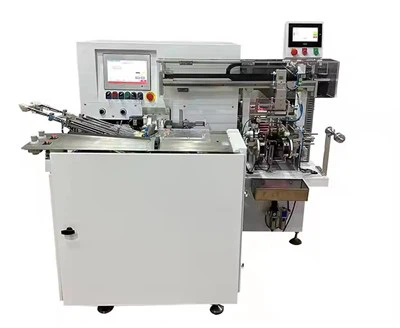
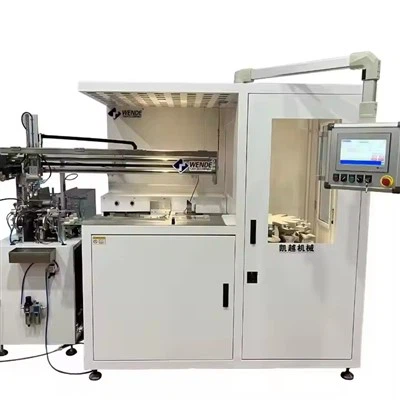
New - generation tufting machines, such as the Automatic Toothbrush Tufting Machine, use more advanced technologies. One popular method is called "hot - tufting" or "anchor - free tufting."
In hot - tufting, the bristles are arranged in a specific pattern on a heated plate. The toothbrush head is then pressed against the bristles and the heated plate. The heat softens the plastic of the toothbrush head and the base of the bristles, causing them to fuse together. This creates a strong bond between the bristles and the head without the need for holes or adhesives.
Another type of new - generation machine is the Toothbrush CNC Tufting Machine. These machines use computer - numerical - control (CNC) technology to precisely control the tufting process. They can create complex bristle patterns and adjust the tufting parameters according to the specific requirements of the toothbrush design.
Factors Affecting Bristle Fixation
Several factors can affect how firmly the bristles are fixed in the toothbrush.
Bristle Material
The type of bristle material plays a significant role. Nylon bristles are commonly used because they are strong, flexible, and resistant to wear. Different grades of nylon can have different properties, which can affect how well they bond to the toothbrush head. For example, some high - performance nylons may have better heat - resistance, which is important for hot - tufting processes.
Toothbrush Head Material
The material of the toothbrush head also matters. Most toothbrush heads are made of polypropylene or other plastics. The surface properties of the plastic, such as its smoothness and chemical composition, can influence the adhesion of the bristles. Some plastics may require special treatments or additives to improve the bonding with the bristles.


Tufting Machine Settings
The settings of the tufting machine are crucial. In conventional tufting, the depth of the holes, the amount of adhesive used, and the pressure applied during bristle insertion can all affect the fixation. In hot - tufting, the temperature, pressure, and duration of the heating process need to be carefully controlled to ensure a strong bond without damaging the bristles or the toothbrush head.
Quality Control in Tufting
To ensure that the bristles are fixed firmly in the toothbrushes, strict quality control measures are in place.
Visual Inspection
After the tufting process, the toothbrushes are visually inspected for any signs of loose bristles, uneven tufting, or other defects. Workers look for bristles that are not properly inserted or that have fallen out during the manufacturing process.
Pull - Out Testing
Pull - out testing is a common method used to measure the strength of the bristle fixation. A small force is applied to the bristles to see if they can be pulled out of the toothbrush head. The results of these tests are compared to industry standards to ensure that the toothbrushes meet the required quality levels.
The Importance of Firm Bristle Fixation
Firmly fixed bristles are essential for the performance and safety of toothbrushes.
Performance
Toothbrushes with firmly fixed bristles can effectively clean teeth and gums. The bristles need to stay in place during brushing to provide consistent pressure and reach all areas of the mouth. Loose bristles may not be able to clean properly and can reduce the overall effectiveness of the toothbrush.
Safety
From a safety perspective, loose bristles can pose a risk. If a bristle breaks off during brushing, it could be swallowed or cause injury to the mouth or throat. Therefore, ensuring that the bristles are firmly attached is crucial for consumer safety.
Conclusion
In conclusion, tufting machines play a vital role in fixing the bristles firmly in toothbrushes. Whether using conventional or new - generation techniques, these machines are designed to ensure a strong and reliable bond between the bristles and the toothbrush head. As a supplier of Toothbrush Machine Tufting, we are committed to providing high - quality tufting machines that meet the diverse needs of the toothbrush manufacturing industry.
If you are in the toothbrush manufacturing business and are looking for a reliable tufting machine supplier, we would be more than happy to discuss your requirements. Our machines are designed with the latest technology and are built to deliver consistent, high - quality results. Contact us to start a procurement discussion and take your toothbrush production to the next level.
References
- "Toothbrush Manufacturing Technology" by Industry Press
- "Advances in Dental Hygiene Products" research paper from a leading dental research institute
- Internal technical documents of our tufting machine manufacturing process.