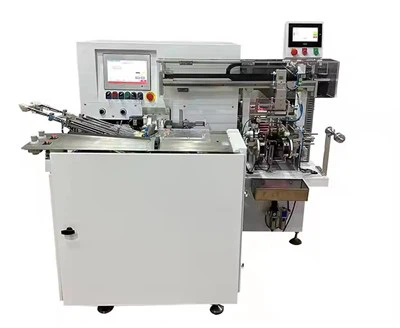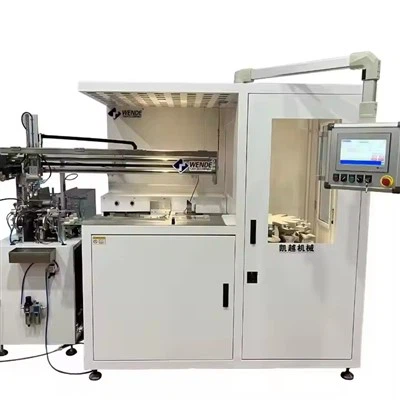

Hey there! As a supplier of Automatic Toothbrush Machines, I've seen my fair share of common problems that users might run into. In this blog, I'll walk you through how to troubleshoot these issues, so you can keep your toothbrush-making process running smoothly.
1. Machine Won't Start
One of the most frustrating problems is when your automatic toothbrush machine won't start. First off, check the power source. Sounds simple, but sometimes the plug might be loose or the circuit breaker could have tripped. Make sure the machine is properly plugged into a working outlet. If it's a hardwired machine, check the electrical panel to see if any breakers have flipped.
Next, look at the control panel. There could be an error code displayed. These codes are like little clues that can tell you what's going wrong. Refer to the machine's manual to decode the error. If there's no error code, try resetting the machine. Most machines have a reset button, usually a small red or black one. Press it and see if the machine starts up.
If the problem persists, it might be an issue with the motor. Motors can burn out over time, especially if the machine has been running non - stop. You can try to listen for any strange noises coming from the motor area. A humming or grinding sound could indicate a motor problem. In this case, you'll probably need to call in a professional technician to replace the motor.
2. Brushing Head Installation Issues
Another common problem is with the installation of the brushing heads. Sometimes, the heads might not fit properly onto the machine. First, clean the connection points on both the machine and the brushing head. There could be debris or toothpaste residue that's preventing a proper fit. Use a soft cloth and some mild cleaning solution to wipe them down.
Check the design of the brushing head and the machine. Make sure you're using the correct type of brushing head for your specific machine model. Some machines are designed to work with specific head sizes and shapes. If you're using an incompatible head, it won't fit correctly.
If the head still won't install, there could be a problem with the locking mechanism. Inspect the locking parts for any signs of damage or wear. If you notice any cracks or broken pieces, you might need to replace the locking component. You can find replacement parts from the manufacturer or authorized dealers. For more information on different types of toothbrush machines that might use different brushing heads, check out Toothbrush Making Machine.
3. Inconsistent Brushing Performance
If your toothbrush machine is giving inconsistent brushing performance, it could be due to several factors. First, check the battery. A weak battery can cause the machine to lose power during use, resulting in a less effective brushing. If it's a rechargeable toothbrush, make sure it's fully charged. You can try charging it for a longer period to see if that improves the performance.


The brushing head might also be worn out. Over time, the bristles on the brushing head can become frayed and less effective at cleaning. Replace the brushing head regularly, usually every three to four months. This will ensure that you're getting a consistent and thorough clean.
The settings on the machine could also be the culprit. Maybe you accidentally changed the brushing mode or the intensity level. Go through the control panel and make sure the settings are set to your desired preferences. Some high - end machines, like the High Performance Toothbrush Machine, offer multiple brushing modes, so double - check that you're using the right one.
4. Noise and Vibration Problems
Excessive noise and vibration can be a real annoyance. First, check if the machine is properly balanced. If it's sitting on an uneven surface, it can cause vibrations. Move the machine to a flat and stable surface and see if the problem improves.
The internal components might also be loose. Open the machine (if it's safe to do so and you have the necessary skills) and check for any loose screws or parts. Tighten them up if you find any. However, be careful not to damage any other components while doing this.
If the noise and vibration are coming from the motor, it could be a sign of a more serious problem. As mentioned earlier, a worn - out motor can cause strange noises and excessive vibrations. In this case, it's best to have a professional take a look at it.
5. Error Codes and Display Issues
Modern automatic toothbrush machines often come with digital displays that show error codes. If you see an error code, don't panic. Refer to the user manual first. The manual will have a list of error codes and what they mean.
If the display itself is not working properly, check the connections. There could be a loose cable or a faulty connector. Make sure all the cables are securely plugged in. If the display is still not working, it might be a problem with the display module. Some advanced machines, like the CNC SIEMENZ System Toothbrush Machine, have complex display systems, and in such cases, it's advisable to contact the manufacturer's support team.
6. Water Leakage
Water leakage can be a big problem, especially if it gets into the internal components of the machine. First, check the seals around the brushing head and the body of the machine. Over time, these seals can wear out and start to leak. You can try to replace the seals with new ones. You can usually find replacement seals from the manufacturer or online stores.
Make sure the machine is not over - submerged in water during cleaning. Some machines are water - resistant but not fully waterproof. Follow the manufacturer's instructions on how to clean the machine properly to avoid water getting into places it shouldn't.
Conclusion
Troubleshooting common problems with an automatic toothbrush machine can seem daunting at first, but with a little patience and some basic knowledge, you can often fix the issues yourself. Remember to always refer to the user manual and follow the safety instructions.
If you're still having problems after trying these troubleshooting steps, don't hesitate to reach out to us. As a supplier of Automatic Toothbrush Machines, we have a team of experts who can provide you with further assistance. Whether you need replacement parts, technical support, or are interested in purchasing a new machine, we're here to help. Contact us for more information and let's start a conversation about your toothbrush - making needs.
References
- Manufacturer's user manuals for automatic toothbrush machines
- Industry knowledge and experience as an Automatic Toothbrush Machine supplier