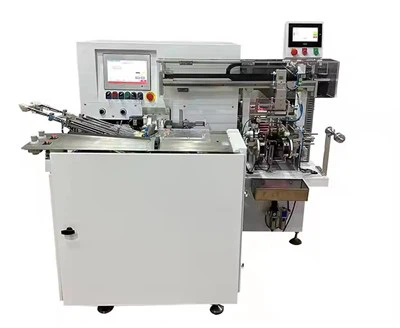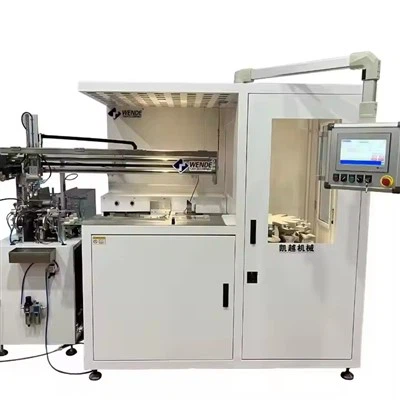

Hey there! I'm a supplier of Toothbrush Banane Ki Machine, and today I'm gonna walk you through how to operate this nifty piece of equipment. Whether you're new to the toothbrush manufacturing game or just looking to brush up on your skills, this guide is for you.
Getting Familiar with the Toothbrush Banane Ki Machine
First things first, let's talk about what the Toothbrush Banane Ki Machine is all about. This machine is a key player in the toothbrush production process, helping to create high - quality toothbrushes efficiently. It combines several functions that are essential for making a toothbrush ready for the market.


One of the important aspects of this machine is its connection to other related equipment. For example, you might want to check out the Automatic Toothbrush Hot Foil. This is a great addition that can enhance the packaging and finishing of your toothbrushes. Also, the Toothbrush Tufting Trimming Polishing Machine and Toothbrush Tufting & Trimming are closely related to the overall toothbrush manufacturing process and can work in tandem with the Toothbrush Banane Ki Machine.
Pre - operation Checks
Before you start the machine, you've got to do some pre - operation checks. These checks are crucial to ensure that the machine runs smoothly and safely.
- Inspect the Machine: Take a good look at the entire machine. Check for any visible damage, loose parts, or signs of wear and tear. Make sure all the guards and covers are in place. This will prevent any accidents during operation.
- Check the Power Supply: Ensure that the power supply is stable and the voltage is correct. A fluctuating power supply can damage the machine and affect the quality of the toothbrushes being produced.
- Lubrication: Check the lubrication levels of all the moving parts. Proper lubrication reduces friction and wear, which in turn extends the lifespan of the machine. Refer to the machine's manual for the correct type of lubricant and the recommended lubrication points.
- Material Supply: Make sure you have an adequate supply of all the necessary materials, such as toothbrush handles, bristles, and any other components required for the production process.
Starting the Machine
Once you've completed the pre - operation checks, it's time to start the Toothbrush Banane Ki Machine.
- Turn on the Power: Switch on the main power switch of the machine. You'll usually see some indicator lights come on, showing that the machine is getting power.
- Initial Setup: Depending on the type of toothbrush you're making, you'll need to set up the machine accordingly. This might involve adjusting the speed, the position of the cutting blades, or the feeding mechanism for the bristles and handles.
- Test Run: Before you start full - scale production, it's a good idea to do a test run. Feed in a small number of materials and let the machine run through a cycle. Check the quality of the output. If there are any issues, such as misaligned bristles or uneven cutting, you can make the necessary adjustments.
Operating the Machine
During the operation of the Toothbrush Banane Ki Machine, there are a few things you need to keep in mind.
- Material Feeding: Feed the toothbrush handles and bristles into the machine at the correct rate. If you feed them too fast, the machine might jam. If you feed them too slowly, it can reduce the production efficiency.
- Monitoring the Process: Keep an eye on the machine while it's running. Watch for any unusual noises, vibrations, or changes in the operation. If you notice anything out of the ordinary, stop the machine immediately and investigate the cause.
- Quality Control: Regularly check the quality of the toothbrushes being produced. Look for things like loose bristles, uneven trimming, or any other defects. If you find any defective toothbrushes, you can either adjust the machine settings or remove them from the production line.
Maintenance and Troubleshooting
To keep the Toothbrush Banane Ki Machine in good working condition, regular maintenance is essential.
- Daily Maintenance: After each day's operation, clean the machine thoroughly. Remove any debris, dust, or leftover materials. This helps prevent build - up, which can cause problems in the long run.
- Periodic Maintenance: In addition to daily maintenance, you should also perform periodic maintenance tasks. This might include checking and replacing any worn - out parts, calibrating the machine, and doing a more in - depth cleaning.
- Troubleshooting: Even with proper maintenance, you might encounter some problems with the machine. Common issues include jams, electrical problems, or mechanical failures. Refer to the machine's manual for troubleshooting tips. If you can't solve the problem on your own, don't hesitate to contact a professional technician.
Shutting Down the Machine
When you're done with the production for the day, it's important to shut down the Toothbrush Banane Ki Machine properly.
- Stop the Material Feeding: First, stop feeding materials into the machine. Let the machine run until all the remaining materials have been processed.
- Turn off the Machine: Once all the materials have been processed, switch off the main power switch of the machine.
- Clean and Store: As mentioned earlier, clean the machine thoroughly after shutting it down. Store any unused materials in a safe and dry place.
Conclusion
Operating a Toothbrush Banane Ki Machine isn't rocket science, but it does require attention to detail and proper maintenance. By following the steps outlined in this guide, you can ensure that your machine runs smoothly, produces high - quality toothbrushes, and has a long lifespan.
If you're interested in purchasing a Toothbrush Banane Ki Machine or have any questions about its operation, feel free to reach out. We're here to help you with all your toothbrush manufacturing needs. Whether you're a small - scale producer or a large - scale factory, we've got the right solutions for you.
References
- Manufacturer's manual of the Toothbrush Banane Ki Machine
- Industry best practices for toothbrush manufacturing equipment operation