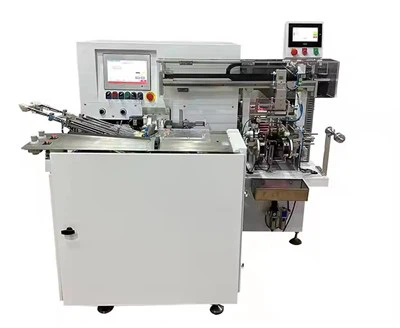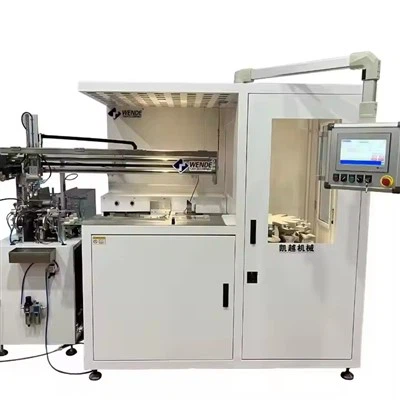

Wear resistance is a crucial factor in the performance and longevity of parts within a wood toothbrush making machine. As a supplier of wood toothbrush making machines, I understand the significance of wear resistance in ensuring the efficiency and reliability of these machines. In this blog, we will delve into what wear resistance means for parts in a wood toothbrush making machine, why it is important, and how it can be optimized.
Understanding Wear Resistance
Wear resistance refers to the ability of a material or part to withstand wear and tear caused by friction, abrasion, impact, or corrosion during its operation. In the context of a wood toothbrush making machine, various parts are subjected to different types of wear depending on their functions. For example, cutting blades are exposed to high - speed friction against wood materials, while conveyor belts may experience abrasion from the movement of toothbrush components.
The wear of parts can lead to several problems. Firstly, it can reduce the precision of the machine. As parts wear down, the accuracy of cutting, shaping, and assembling operations may be compromised, resulting in defective toothbrushes. Secondly, worn - out parts may cause the machine to operate less efficiently, leading to increased energy consumption and longer production times. Finally, frequent replacement of worn parts can significantly increase the maintenance costs of the machine.
Types of Wear in Wood Toothbrush Making Machines
Abrasive Wear
Abrasive wear is one of the most common types of wear in wood toothbrush making machines. It occurs when hard particles, such as wood chips or dust, come into contact with the surface of a part and cause it to wear away. For instance, the surfaces of saw blades and drills are prone to abrasive wear as they cut through the wood. To combat abrasive wear, parts can be made from materials with high hardness, such as carbide or high - speed steel. These materials can resist the scratching and gouging caused by the abrasive particles.
Adhesive Wear
Adhesive wear happens when two surfaces in contact stick together and then separate, causing material to be transferred from one surface to another. In a wood toothbrush making machine, this can occur between moving parts, such as gears and bearings. Lubrication is an effective way to reduce adhesive wear. By applying a lubricant between the surfaces, a thin film is formed that separates the two surfaces, reducing friction and preventing direct contact and adhesion.
Fatigue Wear
Fatigue wear is caused by repeated cyclic loading on a part. In a wood toothbrush making machine, parts like springs and shafts may experience fatigue wear due to the continuous operation of the machine. Over time, small cracks can develop on the surface of these parts, which can grow and eventually lead to the failure of the part. To prevent fatigue wear, proper design and material selection are essential. Parts should be designed to distribute the load evenly, and materials with high fatigue resistance should be used.
Importance of Wear Resistance in Wood Toothbrush Making Machines
Product Quality
High wear resistance of parts ensures that the wood toothbrush making machine can maintain a high level of precision throughout its operation. This is crucial for producing toothbrushes with consistent quality. For example, a well - maintained cutting blade with good wear resistance can cut the wood handle accurately, resulting in smooth and uniform toothbrush handles. On the other hand, a worn - out blade may produce jagged edges or uneven cuts, which can affect the appearance and functionality of the toothbrush.
Production Efficiency
Wear - resistant parts contribute to the smooth operation of the machine, reducing downtime caused by part failures and replacements. A machine with wear - resistant parts can run continuously at a high speed, increasing the production output. For example, a conveyor belt with good wear resistance can transport toothbrush components smoothly without getting stuck or damaged, ensuring a continuous flow of production.
Cost - Effectiveness
Although parts with high wear resistance may have a higher initial cost, they can save money in the long run. By reducing the frequency of part replacements and maintenance, the overall cost of operating the machine is lowered. Additionally, since wear - resistant parts can improve the efficiency of the machine, energy consumption is reduced, further contributing to cost savings.
Optimizing Wear Resistance in Wood Toothbrush Making Machines
Material Selection
Choosing the right materials for each part is the first step in optimizing wear resistance. As mentioned earlier, materials with high hardness, such as carbide and high - speed steel, are suitable for parts that are exposed to abrasive wear. For parts that experience adhesive wear, materials with good lubricity, such as bronze or self - lubricating polymers, can be used. In addition, materials with high fatigue resistance, like alloy steels, are ideal for parts under cyclic loading.
Surface Treatment
Surface treatment can significantly improve the wear resistance of parts. Processes such as hardening, coating, and nitriding can increase the hardness and smoothness of the surface, making it more resistant to wear. For example, a cutting blade can be coated with a thin layer of titanium nitride, which not only increases its hardness but also reduces friction, improving its cutting performance and wear resistance.
Maintenance and Lubrication
Regular maintenance is essential for ensuring the wear resistance of parts. This includes cleaning the machine to remove abrasive particles, inspecting parts for signs of wear, and replacing worn parts in a timely manner. Proper lubrication is also crucial, especially for parts that are prone to adhesive wear. Using high - quality lubricants and applying them at the right intervals can reduce friction and wear, extending the lifespan of the parts.
Our Wood Toothbrush Making Machines and Wear Resistance
At our company, we are committed to providing high - quality wood toothbrush making machines with excellent wear - resistant parts. Our Bamboo Toothbrush Handle Making Machine is equipped with cutting blades made of high - speed steel, which can cut through bamboo and wood materials smoothly with minimal wear. The conveyor belts in our machines are made of wear - resistant rubber, ensuring a long service life and reliable operation.
Our Bamboo Toothbrush Tufting Machine and Automatic Bamboo Toothbrush Tufting Machine are also designed with wear - resistant parts. The needles and gears in these machines are made of high - quality alloy steels, which can withstand the high - speed and high - pressure operation during the tufting process.


Conclusion
Wear resistance is a vital characteristic of parts in a wood toothbrush making machine. It affects the quality of the toothbrushes produced, the efficiency of the machine, and the overall cost of operation. By understanding the types of wear, the importance of wear resistance, and how to optimize it, we can ensure that our wood toothbrush making machines operate at their best.
If you are interested in our wood toothbrush making machines or have any questions about wear resistance and machine performance, please feel free to contact us for a detailed discussion. We are always ready to provide you with the best solutions for your toothbrush production needs.
References
- Callister, W. D., & Rethwisch, D. G. (2010). Materials Science and Engineering: An Introduction. Wiley.
- Kalpakjian, S., & Schmid, S. R. (2009). Manufacturing Engineering and Technology. Pearson.
- Suh, N. P. (1986). Tribophysics. MIT Press.