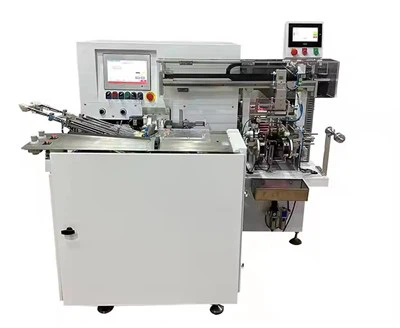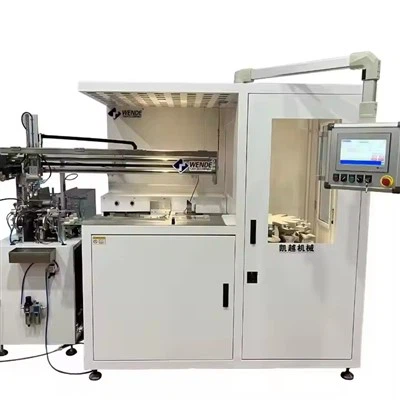

Hey there! As a supplier of Wood Toothbrush Making Machines, I often get asked about how long these machines can last. It's a super important question, especially if you're thinking about investing in one. So, let's dive right into it and explore the lifespan of a wood toothbrush making machine.
Factors Affecting the Lifespan
1. Quality of Manufacturing
The first and most obvious factor is the quality of how the machine is made. When we're producing these wood toothbrush making machines, we use high - grade materials and top - notch manufacturing techniques. Machines built with high - quality components are less likely to break down. For example, the cutting blades made from high - carbon steel can withstand more wear and tear compared to those made from lower - quality alloys. A well - made machine can last anywhere from 10 to 15 years or even longer with proper care.
2. Frequency of Use
How often you use the machine also plays a huge role. If you're running the machine 24/7 in a large - scale production facility, it's going to experience more stress than a machine that's used only a few hours a day in a small workshop. A machine used moderately, say 8 - 10 hours a day, can have a longer lifespan compared to one that's constantly running. On average, a machine used intensively might last around 7 - 10 years, while a moderately used one could go up to 12 - 15 years.
3. Maintenance and Care
This is probably the most controllable factor. Regular maintenance is key to extending the lifespan of your wood toothbrush making machine. Simple things like cleaning the machine after each use, lubricating the moving parts, and checking for loose bolts can make a big difference. You should also have a professional technician perform regular inspections at least once or twice a year. If you neglect maintenance, the machine can start to develop problems much earlier, and its lifespan could be cut down to as little as 5 years.
4. Operating Conditions
The environment in which the machine operates matters too. If the workshop is too hot, too cold, or too humid, it can affect the performance and longevity of the machine. For instance, high humidity can cause rusting of metal parts, while extreme temperatures can make the materials expand or contract, leading to potential damage. A machine operating in a well - controlled environment with proper ventilation and temperature regulation will last longer than one in a harsh environment.


Typical Lifespan Ranges
Based on the factors above, we can give a general idea of the lifespan of a wood toothbrush making machine.
- Entry - level Machines: These are usually more affordable and are suitable for small - scale production or startups. They typically have a lifespan of around 5 - 7 years. They might not have all the advanced features and high - quality components of more expensive models, but they can still get the job done for a few years.
- Mid - range Machines: These offer a good balance between price and performance. With proper maintenance, they can last anywhere from 8 - 12 years. They often come with better - built components and more reliable technology.
- High - end Machines: Designed for large - scale, continuous production, high - end wood toothbrush making machines are built to last. With top - of - the - line materials and advanced engineering, they can have a lifespan of 15 years or more. These machines are a significant investment, but they can provide long - term value for large manufacturers.
Extending the Lifespan
If you want to get the most out of your wood toothbrush making machine, here are some tips:
- Follow the Manufacturer's Guidelines: We provide detailed manuals on how to operate, maintain, and troubleshoot the machine. Make sure you follow these guidelines to the letter.
- Train Your Staff: Ensure that your operators are well - trained. Improper operation can cause unnecessary wear and tear on the machine.
- Use Quality Raw Materials: Using high - quality wood and other materials can reduce the stress on the machine. Inferior materials might contain impurities that can damage the cutting and shaping tools.
Our Products
As a supplier, we offer a range of wood toothbrush making machines to suit different needs. You can check out our Bamboo Toothbrush Toothbrush Making Machine which is great for producing bamboo toothbrushes. If you're more interested in just making the handles, our Bamboo Toothbrush Handle Making Machine is a great option. And of course, our Wood Toothbrush Making Machine is designed to handle all aspects of wood toothbrush production.
Conclusion
The lifespan of a wood toothbrush making machine can vary widely depending on several factors. But with proper selection, maintenance, and care, you can ensure that your machine serves you well for many years. If you're in the market for a wood toothbrush making machine or have any questions about our products, don't hesitate to reach out. We're here to help you make the right choice and get the most out of your investment.
References
- Industry reports on woodworking machinery lifespan
- Internal data from our company's experience with machine sales and maintenance