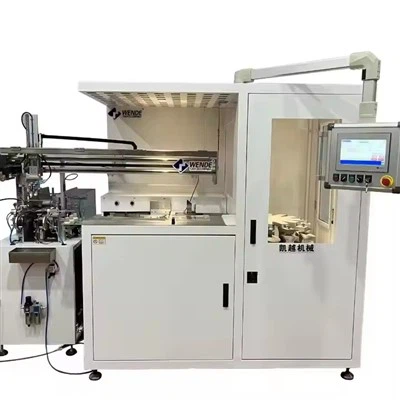

Hey there! As a supplier of industrial brush making machines, I've had the privilege of diving deep into the world of these nifty contraptions. Today, I'm gonna break down the key components of an industrial brush making machine for you.
1. Frame and Structure
The frame is like the backbone of the machine. It provides the stability and support needed for all the other components to do their job. A well - built frame is usually made of high - quality steel or aluminum. Steel frames are super strong and can withstand heavy use over long periods. Aluminum frames, on the other hand, are lighter, which can be an advantage if you need to move the machine around. The frame also has to be designed in a way that allows easy access to different parts of the machine for maintenance and repairs.
2. Feeding System
The feeding system is responsible for getting the raw materials into the machine. For brush making, this usually means feeding in the bristles and the brush handles. There are different types of feeding mechanisms. Some machines use a conveyor belt system to move the handles along, while others use a more precise robotic arm to pick and place the handles in the right position. When it comes to bristles, they can be fed in bulk or in pre - cut lengths. The feeding system has to be accurate to ensure that the right amount of material is used for each brush.
3. Bristle Insertion Mechanism
This is one of the most crucial parts of the machine. The bristle insertion mechanism is what actually puts the bristles into the brush handle. There are a few different ways this can be done. One common method is using a needle - like device to punch the bristles into pre - drilled holes in the handle. Another method is tufting, where the bristles are held together and then inserted into the handle. The precision of this mechanism is key to making a high - quality brush. If the bristles aren't inserted correctly, the brush won't work as well and might even fall apart.
4. Cutting and Trimming Unit
After the bristles are inserted, they often need to be cut and trimmed to the right length. The cutting and trimming unit uses sharp blades to cut the bristles to a uniform length. This not only makes the brush look good but also ensures that it functions properly. Some machines have adjustable cutting heights, which allows you to customize the length of the bristles depending on the type of brush you're making.
5. Binding and Assembly Section
Once the bristles are in place and trimmed, the brush needs to be assembled properly. The binding and assembly section takes care of this. It might involve gluing the bristles in place, attaching any additional parts like caps or grips, and making sure that the brush is firmly put together. This part of the machine has to be reliable to ensure that the finished brushes are durable.


6. Control Panel
The control panel is like the brain of the machine. It allows the operator to control various functions such as the speed of the machine, the feeding rate, and the cutting length. Modern control panels are often computer - based, which means they can be programmed to perform specific tasks. This makes the machine more efficient and easier to operate. With a good control panel, you can make adjustments on the fly and ensure that the machine is running at its best.
7. Quality Control Sensors
Quality control is super important in brush making. That's where the quality control sensors come in. These sensors can detect things like missing bristles, uneven bristle lengths, or faulty assembly. If a problem is detected, the machine can either stop automatically or alert the operator. This helps to ensure that only high - quality brushes are produced.
8. Power Supply and Motor
The power supply and motor are what make the machine run. The motor provides the energy needed to operate all the different components. The power supply has to be stable and reliable to ensure that the machine runs smoothly. Different machines require different amounts of power depending on their size and complexity.
Now, let's talk about some specific types of industrial brush making machines. If you're interested in making toothbrushes, you might want to check out Toothbrush Machine Making. This type of machine is designed specifically for producing toothbrushes and has all the necessary components to make high - quality dental brushes.
Another option is the Aluminum Machinery Toothbrush. This machine is great if you're looking to make toothbrushes with an aluminum handle. It can handle the unique requirements of working with aluminum and produce durable and stylish toothbrushes.
And if you're into eco - friendly products, the Bamboo Toothbrush Machine is a great choice. It's designed to work with bamboo handles, which are a sustainable alternative to traditional materials.
If you're in the market for an industrial brush making machine, whether it's for toothbrushes or other types of brushes, don't hesitate to reach out. We're here to help you find the right machine for your needs. Whether you're a small - scale producer or a large - scale manufacturer, we've got the expertise and the machines to get the job done.
References
- Industrial Brush Manufacturing Handbook
- Technical Manuals of Leading Brush Making Machine Manufacturers
So, if you're ready to take your brush - making business to the next level, let's start a conversation. We can discuss your specific requirements and find the perfect machine for you.