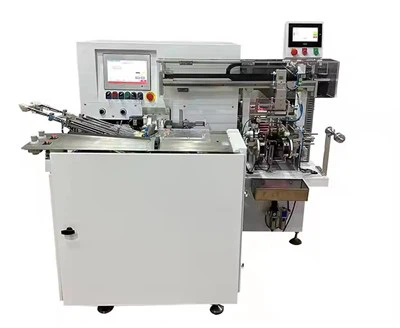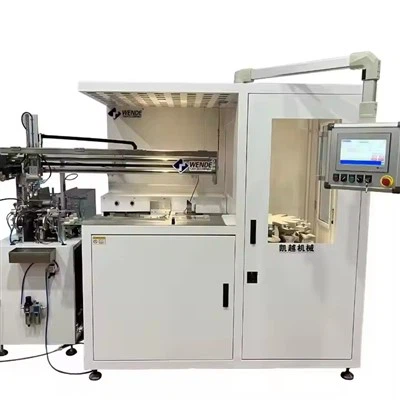

Hey there! As a supplier of toothbrush combine machines, I've seen firsthand the many benefits these machines bring to the toothbrush manufacturing industry. But like any piece of equipment, they're not without their drawbacks. In this blog post, I'm gonna share some of the disadvantages of using a toothbrush combine machine.
High Initial Investment
One of the biggest downsides of getting a toothbrush combine machine is the hefty upfront cost. These machines are packed with advanced technology and precision engineering, which means they don't come cheap. For small - scale toothbrush manufacturers or startups, shelling out a large sum of money for a single machine can be a real financial strain. It might even force them to cut back on other important aspects of their business, like marketing or research and development.
Let's say you're just starting out in the toothbrush business. You've got a great idea for a new toothbrush design, but you don't have a ton of capital. Buying a toothbrush combine machine could eat up a significant portion of your budget, leaving you with less money to invest in product development or building your brand. This initial financial hurdle can be a major deterrent for many entrepreneurs.
Complex Maintenance
Another disadvantage is the complexity of maintaining these machines. Toothbrush combine machines are made up of numerous intricate parts that work together in a very precise way. When something goes wrong, it can be extremely difficult to diagnose and fix the problem. You often need highly skilled technicians with specialized knowledge to carry out maintenance and repairs.
These technicians don't come cheap either. Hiring them on a regular basis to keep your machine in top - notch condition can add up to a substantial cost over time. And if you don't have access to qualified technicians, you might end up with a machine that's out of commission for longer periods, which can disrupt your production schedule and lead to lost sales.
For example, if the Toothbrush Tufting Trimming Grinding Machine malfunctions, you need someone who knows exactly how to troubleshoot the tufting, trimming, and grinding components. Without the right expertise, you could be stuck trying to figure out the problem on your own, which is not only time - consuming but also risky as you might end up causing more damage to the machine.
Limited Flexibility
Toothbrush combine machines are typically designed to perform specific tasks in a set way. This means they lack the flexibility to quickly adapt to changes in production requirements. If you want to switch to a different toothbrush design or change the production volume, you might run into problems.
For instance, if you've been using the machine to produce a certain type of toothbrush with a specific bristle pattern and you suddenly decide to introduce a new design with a different pattern, the machine may not be easily reconfigurable. You might have to spend additional time and money on modifying the machine or even purchasing new parts to accommodate the change.
This lack of flexibility can be a real headache for manufacturers who want to stay competitive by quickly responding to market trends and customer demands. It can also lead to inefficiencies in production, as you may have to stop and start the production process multiple times to make adjustments.
Energy Consumption
These machines are power - hungry. They require a significant amount of energy to operate, which can result in high electricity bills. In today's world, where energy costs are constantly rising and there's a growing emphasis on sustainability, this can be a major concern for manufacturers.
High energy consumption not only adds to the operational costs but also has a negative impact on the environment. As a supplier, I've heard from many of my customers who are worried about the carbon footprint of their manufacturing processes. The energy used by toothbrush combine machines contributes to greenhouse gas emissions, and this is something that more and more companies are trying to address.
For example, the Toothbrush Bristles Machinery needs a lot of power to drive the motors that insert and shape the bristles. If you're running multiple machines in a factory, the cumulative energy consumption can be quite staggering.
Training Requirements
Operating a toothbrush combine machine is not something that can be learned overnight. It requires extensive training for your staff. You need to make sure that your employees are well - versed in all aspects of the machine's operation, from setting it up to troubleshooting minor issues.
Providing this training can be time - consuming and expensive. You might have to hire external trainers or take your employees off the production line for a period of time to undergo training. And even after the training, there's always a learning curve, and it may take some time for your employees to become fully proficient in operating the machine.
If you don't invest in proper training, you're likely to face a higher risk of machine breakdowns due to improper operation. This can lead to costly repairs and production delays. For example, in the case of Toothbrush Tufting & Trimming, employees need to know exactly how to set the right parameters for tufting density and trimming length. Without proper training, they might make mistakes that affect the quality of the toothbrushes.
Dependence on Parts Supply
Toothbrush combine machines rely on a steady supply of parts. If there's a disruption in the supply chain, it can bring your production to a halt. These parts are often highly specialized and may only be available from a limited number of suppliers.
For example, if a key component of your machine breaks down and you can't get a replacement part quickly, you'll have to stop production until the part arrives. This can lead to missed deadlines, unhappy customers, and lost business opportunities.


Moreover, some parts may be subject to price fluctuations, which can make it difficult for you to accurately forecast your production costs. If the price of a critical part suddenly goes up, it can eat into your profit margins.
Conclusion
Despite these disadvantages, toothbrush combine machines still offer a lot of benefits in terms of efficiency and productivity. They can significantly increase the speed and quality of toothbrush production when used correctly.
If you're considering investing in a toothbrush combine machine, it's important to weigh these drawbacks against the advantages. Make sure you have a solid plan in place to address the potential issues, such as budgeting for maintenance and training, and having a backup plan for parts supply.
If you have any questions about our toothbrush combine machines or want to discuss how to overcome these challenges, feel free to reach out. We're here to help you make an informed decision and ensure that your toothbrush manufacturing business runs smoothly.
References
- Industry reports on toothbrush manufacturing equipment
- Interviews with toothbrush manufacturers using combine machines