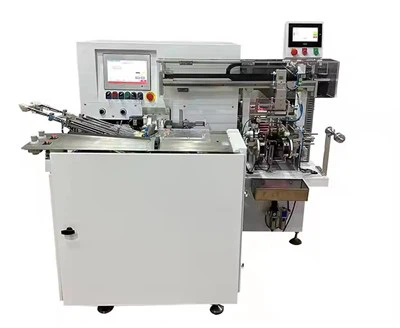

Hey there! I'm a supplier of toothbrush machine tufting. You might think that toothbrush machine tufting is all sunshine and rainbows, but like anything else, it's got its fair share of disadvantages. Let's dive right in and take a look at some of these drawbacks.
High Initial Investment
One of the biggest downsides of toothbrush machine tufting is the high initial investment. Buying a Tufting Machine Toothbrush can cost a fortune. These machines are highly specialized pieces of equipment, and they come with a hefty price tag. You're not just paying for the machine itself; you also have to consider the cost of installation, training your staff to operate it, and setting up the necessary infrastructure.
For small businesses or startups, this can be a real deal - breaker. They might not have the capital to invest in such an expensive machine, and even if they manage to scrape together the funds, it ties up a large portion of their resources. This leaves them with less money to spend on other important aspects of the business, like marketing, research and development, or expanding their product line.
Maintenance and Repair Costs
Once you've bought the toothbrush tufting machine, the costs don't stop there. Maintenance and repair are ongoing expenses that can really add up over time. These machines are complex, with lots of moving parts, and they need regular servicing to keep them running smoothly.
You'll need to hire trained technicians to perform routine maintenance, and they'll charge you for their time and expertise. And if something goes wrong with the machine, the repair costs can be astronomical. Parts for these specialized machines can be hard to find and expensive to replace. Plus, when the machine is down for repairs, it means production comes to a halt. This can lead to lost orders and dissatisfied customers, which is bad for business.
Limited Flexibility
Toothbrush machine tufting is a highly automated process, and while that can be an advantage in terms of efficiency, it also means limited flexibility. Most of these machines are designed to perform a specific type of tufting, and it can be difficult to change the process to accommodate different toothbrush designs or materials.
Let's say you want to introduce a new toothbrush model with a unique tufting pattern. You might find that your existing Toothbrush CNC Tufting Machine isn't capable of creating that pattern. You'd either have to invest in a new machine or spend a lot of time and money re - programming and modifying the existing one. This lack of flexibility can slow down product innovation and make it harder for you to keep up with changing market trends.


Technical Skills Required
Operating a toothbrush tufting machine isn't as simple as just pressing a button. It requires a certain level of technical skills and knowledge. Your operators need to understand how the machine works, how to troubleshoot common problems, and how to make adjustments to ensure the quality of the tufting.
Training your staff to operate these machines can be time - consuming and expensive. You have to provide them with comprehensive training programs, and even then, it might take them a while to become proficient. And if an experienced operator leaves the company, it can be a challenge to find a replacement with the same level of skills. This can lead to disruptions in production and a decrease in product quality.
Environmental Impact
Toothbrush machine tufting also has some environmental drawbacks. The manufacturing process often involves the use of chemicals and materials that can be harmful to the environment. For example, the adhesives used to secure the bristles in the toothbrush head can release volatile organic compounds (VOCs) into the air. These VOCs can contribute to air pollution and have negative effects on human health.
In addition, the production of toothbrush tufting machines themselves requires a significant amount of energy and raw materials. And when these machines reach the end of their lifespan, they often end up in landfills, adding to the growing problem of electronic waste.
Quality Control Challenges
Maintaining consistent quality in toothbrush tufting can be a real challenge. Even with the most advanced New Toothbrush Tufting Machine, there can be variations in the tufting process. Factors like the temperature, humidity, and the condition of the materials can all affect the quality of the tufting.
It can be difficult to detect these variations during the production process, and if defective toothbrushes make it to the market, it can damage your brand reputation. You'll need to invest in quality control measures, such as inspections and testing, but these also add to the overall cost of production.
Dependence on Technology
In today's digital age, we're all dependent on technology to some extent, but when it comes to toothbrush machine tufting, that dependence can be a double - edged sword. These machines rely on complex software and electronics to function, and if there's a glitch in the system, it can bring production to a standstill.
A power outage, a software bug, or a hardware failure can all cause problems. And since these machines are so specialized, it can take a long time to diagnose and fix the issue. This can lead to significant delays in production and lost opportunities.
Market Saturation
The toothbrush market is highly competitive, and as more and more manufacturers invest in toothbrush machine tufting, the market is becoming saturated. This means that there are more toothbrushes available in the market than there are customers to buy them.
As a result, prices are being driven down, and it's getting harder for manufacturers to make a profit. You have to compete not only on price but also on quality, design, and brand image. And with so many options available to consumers, it can be difficult to stand out from the crowd.
Despite all these disadvantages, toothbrush machine tufting still has its place in the industry. It can offer high - volume production, consistent quality, and efficiency. But it's important to be aware of the drawbacks so that you can make an informed decision.
If you're considering investing in toothbrush machine tufting, I'd be more than happy to discuss your needs and see if we can find a solution that works for you. Whether you're looking for a new machine or want to upgrade your existing one, our team of experts can provide you with the support and advice you need. Get in touch with us to start a discussion about your procurement needs and see how we can help you overcome these challenges.
References
- Industry reports on toothbrush manufacturing technology
- Interviews with toothbrush manufacturers and technicians
- Research studies on the environmental impact of manufacturing processes