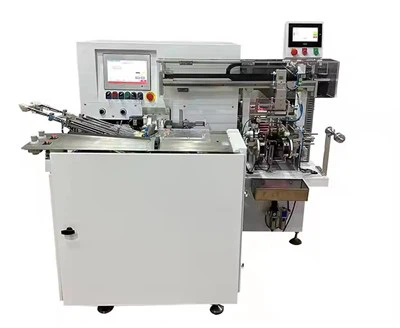

Troubleshooting toothbrush bristles machinery is a crucial skill for any supplier in the toothbrush manufacturing industry. As a supplier of Toothbrush Bristles Machinery, I have encountered various issues over the years and have developed effective strategies to address them. In this blog, I will share some of the common problems that can occur with toothbrush bristles machinery and provide step-by-step solutions to troubleshoot them.
Common Issues and Troubleshooting Steps
1. Bristle Insertion Problems
One of the most common issues with toothbrush bristles machinery is bristle insertion problems. This can manifest as uneven bristle lengths, missing bristles, or bristles not being inserted properly.
Possible Causes
- Dull or damaged needles: Over time, the needles used for bristle insertion can become dull or damaged, leading to improper bristle insertion.
- Incorrect needle alignment: If the needles are not properly aligned, the bristles may not be inserted at the correct angle or depth.
- Clogged needle channels: Debris or excess adhesive can clog the needle channels, preventing the bristles from being inserted smoothly.
Solutions
- Replace dull or damaged needles: Regularly inspect the needles and replace them as needed. This will ensure that the bristles are inserted properly.
- Check and adjust needle alignment: Use a calibration tool to ensure that the needles are properly aligned. This will help to ensure that the bristles are inserted at the correct angle and depth.
- Clean the needle channels: Use a cleaning solution to remove any debris or excess adhesive from the needle channels. This will help to ensure that the bristles can be inserted smoothly.
2. Bristle Cutting Problems
Another common issue with toothbrush bristles machinery is bristle cutting problems. This can manifest as uneven bristle lengths, frayed bristles, or bristles not being cut at all.
Possible Causes
- Dull or damaged cutting blades: Over time, the cutting blades used for bristle cutting can become dull or damaged, leading to improper bristle cutting.
- Incorrect blade alignment: If the blades are not properly aligned, the bristles may not be cut at the correct length or angle.
- Excessive blade wear: If the blades are used for an extended period of time without being replaced, they may become worn and lose their cutting edge.
Solutions
- Replace dull or damaged cutting blades: Regularly inspect the cutting blades and replace them as needed. This will ensure that the bristles are cut properly.
- Check and adjust blade alignment: Use a calibration tool to ensure that the blades are properly aligned. This will help to ensure that the bristles are cut at the correct length and angle.
- Replace worn blades: If the blades are worn, replace them with new ones. This will help to ensure that the bristles are cut cleanly and evenly.
3. Adhesive Application Problems
Adhesive application is an important part of the toothbrush manufacturing process. However, problems with adhesive application can occur, leading to issues such as loose bristles or uneven adhesive distribution.
Possible Causes
- Incorrect adhesive viscosity: If the adhesive is too thick or too thin, it may not be applied properly.
- Clogged adhesive nozzles: Debris or excess adhesive can clog the adhesive nozzles, preventing the adhesive from being applied smoothly.
- Incorrect adhesive temperature: If the adhesive is not heated to the correct temperature, it may not bond properly to the bristles.
Solutions


- Adjust the adhesive viscosity: Use a viscosity meter to measure the viscosity of the adhesive and adjust it as needed. This will ensure that the adhesive is applied properly.
- Clean the adhesive nozzles: Use a cleaning solution to remove any debris or excess adhesive from the adhesive nozzles. This will help to ensure that the adhesive can be applied smoothly.
- Check and adjust the adhesive temperature: Use a temperature sensor to measure the temperature of the adhesive and adjust it as needed. This will help to ensure that the adhesive bonds properly to the bristles.
4. Machine Vibrations
Machine vibrations can cause a variety of problems with toothbrush bristles machinery, including uneven bristle insertion, bristle cutting problems, and adhesive application problems.
Possible Causes
- Loose or worn machine parts: Over time, the machine parts can become loose or worn, leading to vibrations.
- Improper machine installation: If the machine is not installed properly, it may vibrate excessively.
- Unbalanced machine components: If the machine components are not balanced properly, it may vibrate.
Solutions
- Tighten or replace loose or worn machine parts: Regularly inspect the machine parts and tighten or replace them as needed. This will help to reduce vibrations.
- Ensure proper machine installation: Follow the manufacturer's instructions for machine installation to ensure that the machine is installed properly. This will help to reduce vibrations.
- Balance the machine components: Use a balancing tool to balance the machine components. This will help to reduce vibrations.
Importance of Regular Maintenance
Regular maintenance is essential for ensuring the proper functioning of toothbrush bristles machinery. By performing regular maintenance, you can prevent many of the common problems that can occur with the machinery and extend its lifespan.
Some of the key maintenance tasks that should be performed regularly include:
- Cleaning the machine: Regularly clean the machine to remove any debris or excess adhesive. This will help to prevent clogging and ensure that the machine operates smoothly.
- Lubricating the machine: Regularly lubricate the machine to reduce friction and wear. This will help to extend the lifespan of the machine.
- Inspecting the machine: Regularly inspect the machine for any signs of wear or damage. This will help you to identify and address any problems before they become serious.
- Calibrating the machine: Regularly calibrate the machine to ensure that it is operating at the correct settings. This will help to ensure that the bristles are inserted, cut, and glued properly.
Conclusion
Troubleshooting toothbrush bristles machinery is a complex process that requires a thorough understanding of the machinery and the manufacturing process. By following the steps outlined in this blog, you can identify and address many of the common problems that can occur with toothbrush bristles machinery. Remember to perform regular maintenance on the machinery to prevent problems from occurring and to extend its lifespan.
If you are interested in purchasing high-quality Toothbrush Bristles Machinery, we offer a range of products such as the Toothbrush Tufting Trimming Polishing Machine, Automatic Toothbrush Hot Foil, and Toothbrush Tufting Trimming Grinding Machine. We are dedicated to providing our customers with the best machinery and support to ensure the success of their toothbrush manufacturing operations. If you have any questions or would like to discuss your specific needs, please feel free to contact us for a detailed consultation and to start the procurement process.
References
- Manufacturer's manuals for toothbrush bristles machinery
- Industry best practices for toothbrush manufacturing