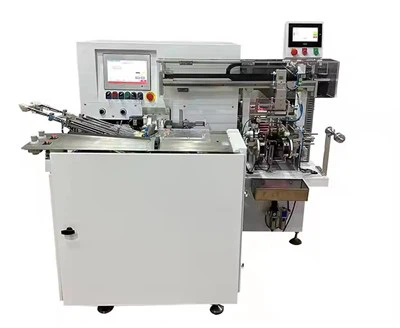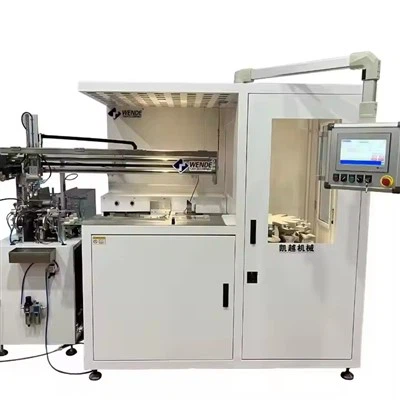

Hey there! As a supplier of new toothbrush tufting machines, I've dealt with my fair share of issues that customers run into. In this blog, I'm gonna walk you through how to troubleshoot some common problems with these machines.
1. Issues with Tufting Precision
One of the most common problems users face is a lack of tufting precision. You might notice that the bristles aren't being placed exactly where they should be, or the tufts are uneven.


Possible Causes
- Misaligned Tooling: Over time, the tooling on the machine can get out of alignment. This could be due to normal wear and tear, or if the machine was bumped or moved.
- Software Glitches: Sometimes, the software that controls the tufting pattern can have glitches. This might be caused by a corrupted file or an outdated version.
Solutions
- Check and Realign Tooling: First, power off the machine and make sure it's safe to work on. Then, use the manufacturer's guidelines to check the alignment of the tooling. You might need to use some basic tools like wrenches to make small adjustments.
- Update and Check Software: Go to the official website of the machine's software provider and check if there are any updates available. Download and install them following the instructions. If the problem persists, try restoring the default settings in the software.
2. Bristle Feeding Problems
Another headache is when the bristles don't feed properly into the tufting area. You might see jams or inconsistent bristle lengths.
Possible Causes
- Clogged Feed Channels: Bristles can sometimes get stuck in the feed channels, especially if they're not of the right quality or if there's debris in the machine.
- Faulty Feed Mechanism: The motor or gears that drive the bristle feed might be malfunctioning.
Solutions
- Clean the Feed Channels: Use compressed air to blow out any debris from the feed channels. You can also use a small brush to gently clean the inside of the channels.
- Inspect and Repair the Feed Mechanism: Check the motor and gears for any signs of damage or wear. If you're not comfortable doing this yourself, it's best to call in a professional technician.
3. Machine Overheating
If your toothbrush tufting machine starts to overheat, it can not only damage the machine itself but also affect the quality of the tufting.
Possible Causes
- Poor Ventilation: If the machine is placed in a confined space or if the ventilation ports are blocked, it can't cool down properly.
- Overworking the Machine: Running the machine continuously for long periods without breaks can cause it to overheat.
Solutions
- Improve Ventilation: Make sure the machine has enough space around it for air to circulate. Clean the ventilation ports regularly to remove any dust or debris.
- Schedule Breaks: Set a schedule for the machine to take breaks during long production runs. This will give it time to cool down and prevent overheating.
4. Noise and Vibration Issues
Unusual noises and excessive vibrations can be a sign that something's wrong with the machine.
Possible Causes
- Loose Parts: Some components of the machine might have become loose over time. This could be due to vibrations during normal operation.
- Worn-Out Bearings: Bearings are crucial for smooth operation, and if they're worn out, they can cause noise and vibration.
Solutions
- Tighten Loose Parts: Use a wrench to check and tighten any loose bolts or screws on the machine. Make sure not to overtighten them, as this can also cause problems.
- Replace Worn-Out Bearings: If you suspect that the bearings are the problem, you'll need to replace them. This is a more complex task, so it's advisable to have a professional do it.
5. Electrical Problems
Electrical issues can be dangerous, so it's important to handle them with care.
Possible Causes
- Faulty Wiring: Over time, the wiring in the machine can become damaged or frayed.
- Power Supply Issues: Problems with the power outlet or the machine's power cord can also cause electrical problems.
Solutions
- Inspect the Wiring: If you're experienced with electrical work, you can carefully inspect the wiring for any signs of damage. If you find any, replace the damaged wires. Otherwise, call an electrician.
- Check the Power Supply: Make sure the power outlet is working properly by plugging in another device. If the power cord is damaged, replace it with a new one.
Related Products
If you're looking for more advanced toothbrush tufting solutions, we also offer CNC Tufting Machine and Toothbrush CNC Tufting Machine. These machines come with more precise control and advanced features. And for those interested in double-color toothbrush production, our Double Color Injection Moulding Machine is a great choice.
Conclusion
Troubleshooting common problems with a new toothbrush tufting machine might seem daunting at first, but with a little knowledge and some basic tools, you can often solve these issues on your own. Remember to always follow safety procedures when working on the machine.
If you're still having problems or if you're interested in purchasing a new toothbrush tufting machine, don't hesitate to contact us for more information and to discuss your specific needs. We're here to help you get the most out of your toothbrush production.
References
- Manufacturer's user manual for the toothbrush tufting machine
- Industry best practices for machine maintenance and troubleshooting