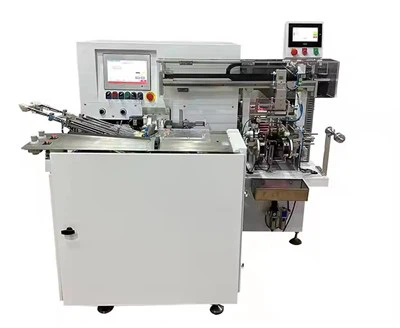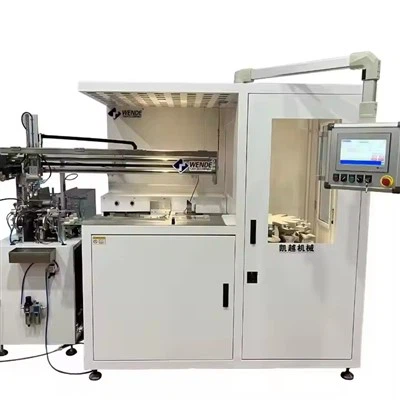

Training operators for a wood toothbrush making machine is a crucial task that directly impacts the efficiency, quality, and safety of the production process. As a supplier of wood toothbrush making machines, I understand the importance of providing comprehensive training to ensure that operators can make the most of our equipment. In this blog post, I will share some effective strategies and steps on how to train operators for a wood toothbrush making machine.
Understanding the Machine
Before starting the training, it is essential to familiarize the operators with the wood toothbrush making machine. Provide them with detailed information about the machine's components, functions, and technical specifications. Use visual aids such as diagrams, videos, and 3D models to help them better understand the machine's structure and operation.
During this phase, operators should learn about the different parts of the wood toothbrush making machine, including the feeding system, cutting mechanism, hole-drilling unit, and assembly section. They should also understand how these components work together to produce high-quality wood toothbrushes. For example, the feeding system is responsible for transporting the raw materials to the working area, while the cutting mechanism shapes the toothbrush handles.
Safety Training
Safety is of utmost importance when operating any industrial machine, and the wood toothbrush making machine is no exception. Conduct thorough safety training to ensure that operators are aware of all potential hazards and know how to prevent accidents.
Teach operators about the safety features of the machine, such as emergency stop buttons, safety guards, and sensors. Demonstrate how to use personal protective equipment (PPE), including safety glasses, gloves, and earplugs. Provide clear instructions on proper machine operation, maintenance, and cleaning procedures to minimize the risk of injuries.
In addition, establish safety rules and guidelines for the workplace. Encourage operators to report any safety concerns or malfunctions immediately. Regularly review and reinforce safety training to keep safety at the forefront of operators' minds.
Theoretical Knowledge Training
In addition to understanding the machine and safety procedures, operators need to have a solid theoretical foundation in wood toothbrush production. Provide training on the basic principles of woodworking, such as wood selection, cutting techniques, and surface finishing. Explain the characteristics of different types of wood used in toothbrush production and how they affect the quality and performance of the final product.
Operators should also learn about the manufacturing process of wood toothbrushes, from raw material preparation to finished product inspection. This includes understanding the importance of quality control at each stage of production. Teach them how to use measuring tools and quality inspection equipment to ensure that the produced toothbrushes meet the required standards.
Practical Training
Practical training is the most effective way to teach operators how to operate the wood toothbrush making machine. Start with supervised hands-on training sessions, where experienced instructors guide operators through each step of the production process.
Begin with simple tasks, such as loading raw materials and performing basic machine adjustments. As operators gain confidence and skills, gradually introduce more complex operations, such as setting up the machine for different toothbrush designs and troubleshooting common problems.
Encourage operators to practice independently during the training process. Provide them with feedback and guidance to help them improve their skills. Allow operators to make mistakes and learn from them in a safe and supportive environment.
Troubleshooting and Maintenance Training
Even with proper training and regular maintenance, wood toothbrush making machines may encounter problems from time to time. Provide operators with training on troubleshooting common machine issues, such as jammed feeding systems, dull cutting blades, and electrical malfunctions.
Teach operators how to identify the root cause of the problem and take appropriate corrective actions. Provide them with a troubleshooting guide and a list of common solutions. Encourage operators to document any problems they encounter and share their experiences with the rest of the team.
In addition to troubleshooting, operators should also receive training on machine maintenance. Teach them how to perform routine maintenance tasks, such as cleaning, lubricating, and inspecting the machine. Provide them with a maintenance schedule and guidelines to ensure that the machine is properly maintained.
Continuous Learning and Improvement
Training is not a one-time event but an ongoing process. Encourage operators to continue learning and improving their skills even after the initial training is completed. Provide them with access to additional training resources, such as online courses, technical manuals, and industry publications.
Organize regular team meetings and training sessions to discuss new technologies, production techniques, and quality improvement initiatives. Encourage operators to share their ideas and suggestions for improving the production process. By fostering a culture of continuous learning and improvement, you can help your operators stay up-to-date with the latest trends and technologies in wood toothbrush production.
Resources for Further Learning
If you are interested in learning more about wood toothbrush making machines and related equipment, you can visit the following links:


- Bamboo Brush Making Machine
- Bamboo Toothbrush Making Machine
- Bamboo Toothbrush Toothbrush Making Machine
Conclusion
Training operators for a wood toothbrush making machine is a complex but rewarding process. By providing comprehensive training on machine operation, safety, theory, practical skills, troubleshooting, and maintenance, you can ensure that your operators are well-equipped to handle the production process efficiently and effectively. Remember to encourage continuous learning and improvement to keep your operators up-to-date with the latest technologies and industry best practices.
If you are in the market for a high-quality wood toothbrush making machine or need further guidance on operator training, please feel free to contact us for purchasing negotiations. We are committed to providing you with the best products and services to meet your production needs.
References
- Woodworking Industry Handbook
- Manufacturing Technology for Toothbrushes
- Safety Guidelines for Industrial Machine Operation