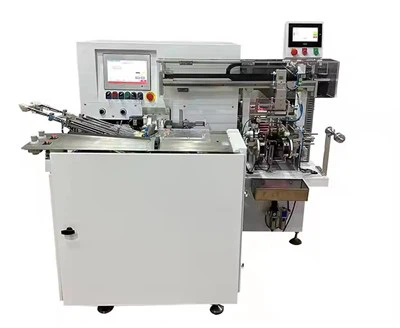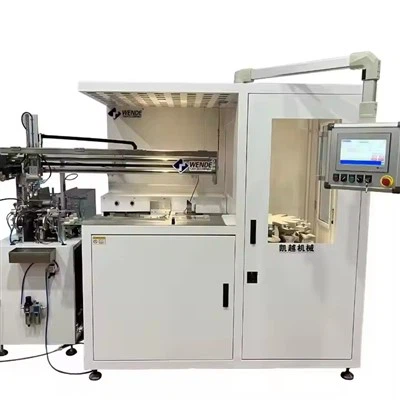

Selecting the right bristles for a wood toothbrush making machine is a crucial step in the production of high-quality wooden toothbrushes. As a supplier of Wood Toothbrush Making Machine, I understand the significance of this decision and its impact on the final product. In this blog post, I will share some insights on how to choose the appropriate bristles for your wood toothbrush making machine.
Understanding the Types of Bristles
There are several types of bristles available in the market, each with its own unique characteristics and benefits. The most common types of bristles used in toothbrush manufacturing are nylon, PBT (polybutylene terephthalate), and natural fibers such as hog hair.
- Nylon Bristles: Nylon is a synthetic material that is widely used in toothbrush manufacturing due to its durability, flexibility, and resistance to moisture. Nylon bristles are available in different thicknesses and stiffness levels, allowing you to choose the right bristle for your specific needs. They are also easy to clean and maintain, making them a popular choice for both manual and electric toothbrushes.
- PBT Bristles: PBT is another synthetic material that is similar to nylon but has some distinct advantages. PBT bristles are more resistant to heat and chemicals, making them suitable for use in high-temperature manufacturing processes. They are also softer and more flexible than nylon bristles, providing a gentle cleaning experience for your teeth and gums.
- Natural Fibers: Natural fibers such as hog hair have been used in toothbrush manufacturing for centuries. They are known for their softness, absorbency, and natural antibacterial properties. However, natural fibers are more expensive than synthetic bristles and require more maintenance. They are also less durable and may not be suitable for use in electric toothbrushes.
Factors to Consider When Selecting Bristles
When selecting bristles for your wood toothbrush making machine, there are several factors to consider. These factors include the type of toothbrush you are manufacturing, the target market, the manufacturing process, and the cost.
- Type of Toothbrush: The type of toothbrush you are manufacturing will determine the type of bristles you need. For example, if you are manufacturing a manual toothbrush, you may want to choose softer bristles for a gentle cleaning experience. If you are manufacturing an electric toothbrush, you may want to choose stiffer bristles for a more thorough cleaning.
- Target Market: The target market for your toothbrush will also influence your bristle selection. For example, if you are targeting a younger demographic, you may want to choose colorful or fun-shaped bristles to appeal to their interests. If you are targeting an older demographic, you may want to choose softer bristles for a more gentle cleaning experience.
- Manufacturing Process: The manufacturing process you use will also affect your bristle selection. For example, if you are using a tufting process, you may want to choose bristles that are easy to insert into the toothbrush head. If you are using a mold-in process, you may want to choose bristles that are compatible with the molding material.
- Cost: The cost of the bristles is also an important factor to consider. Synthetic bristles are generally less expensive than natural fibers, making them a more cost-effective option for large-scale manufacturing. However, if you are targeting a high-end market, you may want to consider using natural fibers for a more premium product.
Testing and Quality Control
Once you have selected the right bristles for your wood toothbrush making machine, it is important to test and quality control the bristles to ensure they meet your standards. This can be done by conducting tests such as bristle stiffness, tensile strength, and abrasion resistance. You should also inspect the bristles for any defects or impurities before using them in your manufacturing process.
In addition to testing and quality control, it is also important to establish a relationship with your bristle supplier. This will allow you to communicate your specific requirements and ensure that you are receiving high-quality bristles on a consistent basis. You should also work with your supplier to develop a quality control plan that includes regular inspections and testing of the bristles.


Selecting the Right Bristle Supplier
Selecting the right bristle supplier is just as important as selecting the right bristles. When choosing a bristle supplier, you should consider factors such as the supplier's reputation, experience, quality control measures, and pricing. You should also look for a supplier who offers a wide range of bristle options and can provide you with technical support and advice.
One way to find a reliable bristle supplier is to attend trade shows and exhibitions. These events provide an opportunity to meet with different suppliers and compare their products and services. You can also ask for recommendations from other toothbrush manufacturers or industry experts.
Conclusion
Selecting the right bristles for your wood toothbrush making machine is a critical step in the production of high-quality wooden toothbrushes. By understanding the different types of bristles available, considering the factors that influence your bristle selection, testing and quality controlling the bristles, and selecting the right bristle supplier, you can ensure that your toothbrushes meet the highest standards of quality and performance.
If you are interested in learning more about our Wood Toothbrush Making Machine or our other products and services, please contact us today. We would be happy to discuss your specific needs and provide you with a customized solution.
References
- American Dental Association. (n.d.). Toothbrush bristles. Retrieved from [Website URL]
- European Commission. (n.d.). Toothbrush safety and performance. Retrieved from [Website URL]
- International Organization for Standardization. (n.d.). ISO 1650:2018 Dentistry - Powered toothbrushes - Requirements and test methods. Retrieved from [Website URL]
- World Health Organization. (n.d.). Oral health. Retrieved from [Website URL]