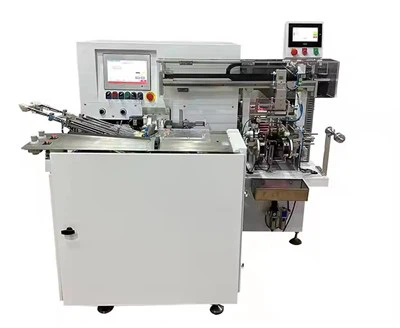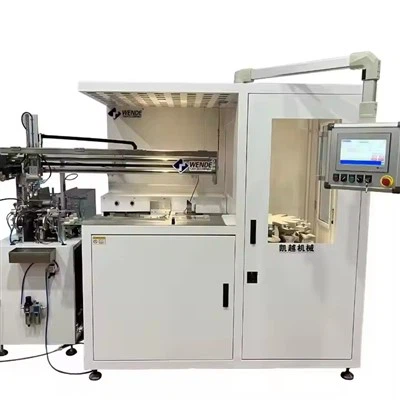

Calibrating a household brush tufting machine is a crucial process that ensures the machine operates at its optimal performance, producing high - quality brushes consistently. As a supplier of household brush tufting machines, I understand the significance of proper calibration and am here to guide you through the process.
Understanding the Basics of a Household Brush Tufting Machine
Before delving into the calibration process, it's essential to have a basic understanding of how a household brush tufting machine works. These machines are designed to insert bristles into a brush base at specific intervals and depths. The main components typically include a tufting head, a feeding system for the bristles, a base - holding mechanism, and a control panel.
The tufting head is responsible for the actual insertion of the bristles. It contains needles that pick up the bristles from the feeding system and push them into the brush base. The feeding system ensures a continuous supply of bristles, and the base - holding mechanism keeps the brush base in place during the tufting process. The control panel allows operators to adjust various parameters such as tufting speed, bristle length, and tufting pattern.
Pre - calibration Checks
Before starting the calibration process, it's important to conduct a series of pre - calibration checks. These checks help identify any potential issues that could affect the calibration or the performance of the machine.
Visual Inspection
First, perform a visual inspection of the machine. Check for any loose parts, damaged components, or signs of wear and tear. Look at the needles in the tufting head; if they are bent or dull, they may need to be replaced. Inspect the bristles in the feeding system to ensure they are of the correct type and quality. Any debris or blockages in the feeding tubes should be removed.


Electrical and Mechanical Checks
Next, check the electrical connections of the machine. Make sure all wires are properly connected and there are no signs of fraying or damage. Test the power supply to ensure it is stable and within the specified voltage range for the machine.
On the mechanical side, check the lubrication of moving parts. Insufficient lubrication can cause increased friction, which may lead to inaccurate tufting and premature wear of components. Refer to the machine's manual for the recommended lubricants and lubrication intervals.
Calibration Steps
Tufting Depth Calibration
The tufting depth is one of the most critical parameters to calibrate. It determines how deep the bristles are inserted into the brush base. Incorrect tufting depth can result in bristles that fall out easily or a brush that is not effective for its intended use.
To calibrate the tufting depth, start by adjusting the height of the tufting head relative to the brush base. Most machines have a height adjustment mechanism, which can be a screw or a hydraulic system. Use a depth gauge to measure the tufting depth. Insert a test piece of the brush base into the machine and run a few tufting cycles. Measure the depth of the tufts and compare it with the desired depth. If the depth is too shallow, raise the tufting head slightly; if it is too deep, lower it. Make small adjustments and test again until the desired tufting depth is achieved.
Bristle Length Calibration
The length of the bristles also needs to be calibrated accurately. This is important for the aesthetic appearance of the brush and its functionality. To calibrate the bristle length, adjust the cutting mechanism in the feeding system. The cutting mechanism is usually a blade or a pair of blades that cut the bristles to the desired length.
Use a ruler or a caliper to measure the length of the cut bristles. Make adjustments to the cutting mechanism according to the measurement. Some machines allow for fine - tuning of the cutting length through a control panel. If the bristles are too long, adjust the cutting mechanism to cut them shorter; if they are too short, make the necessary adjustments to increase the cutting length.
Tufting Speed Calibration
The tufting speed affects the efficiency of the machine and the quality of the tufts. A too - high speed may result in uneven tufting or bristles being inserted incorrectly, while a too - low speed may reduce productivity.
To calibrate the tufting speed, refer to the machine's control panel. Most machines have a speed adjustment knob or a digital interface where you can set the desired speed. Start by setting the speed to a medium level and run a test batch of tufting. Observe the quality of the tufts and the overall operation of the machine. If the tufts are uneven or there are issues with the bristle insertion, adjust the speed accordingly. Make small changes and test again until you find the optimal tufting speed.
Tufting Pattern Calibration
Some household brush tufting machines are capable of creating different tufting patterns. Calibrating the tufting pattern involves setting the correct intervals between tufts and the arrangement of tufts on the brush base.
To calibrate the tufting pattern, use the pattern - setting function on the control panel. This may involve entering specific values for the distance between tufts and the number of tufts in each row or column. Insert a test brush base and run the machine to create the pattern. Check if the pattern matches the desired design. If there are any discrepancies, adjust the pattern settings on the control panel until the correct pattern is achieved.
Post - calibration Testing
After completing the calibration process, it's important to conduct post - calibration testing to ensure that the machine is operating correctly.
Test Runs
Run a series of test runs using the same type of brush base and bristles that will be used in normal production. Observe the quality of the tufts, the consistency of the bristle length, and the accuracy of the tufting pattern. Check for any signs of bristles falling out, uneven tufting, or other defects.
Quality Checks
Perform quality checks on the test brushes. Measure the tufting depth, bristle length, and tufting pattern again to confirm that they meet the specifications. Check the overall appearance of the brushes to ensure they are aesthetically pleasing.
Troubleshooting Common Calibration Issues
Even after careful calibration, you may encounter some common issues. Here are some troubleshooting tips:
Uneven Tufting
If the tufts are uneven, check the tufting head for any misaligned needles. Make sure the needles are all at the same height and are not bent. Also, check the feeding system to ensure a consistent supply of bristles.
Bristles Falling Out
If bristles are falling out of the brush base, the tufting depth may be too shallow. Re - calibrate the tufting depth to ensure the bristles are inserted deeply enough. Check the quality of the brush base and the bristles; if they are not compatible, it may also cause bristles to fall out.
Incorrect Bristle Length
If the bristle length is incorrect, check the cutting mechanism in the feeding system. Make sure the blades are sharp and properly adjusted. Clean the cutting area to remove any debris that may affect the cutting process.
Conclusion
Calibrating a household brush tufting machine is a complex but essential process. By following the steps outlined above, you can ensure that your machine operates at its best, producing high - quality brushes consistently. As a supplier of Household Cleaning Brushes Tufting Machine, Electric Toothbrush Making Machine, and Household Cleaning Brushes Making Machine, we are committed to providing you with the best - in - class machines and the support you need for proper calibration and operation.
If you are interested in purchasing a household brush tufting machine or need further assistance with calibration and maintenance, please feel free to contact us for procurement and negotiation.
References
- Manufacturer's manual for household brush tufting machines
- Industry standards for brush manufacturing and tufting machine calibration