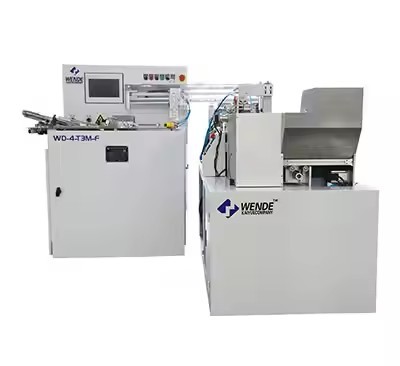

Hey there! As a supplier of toothbrush feeder machines, I often get asked about what kind of power source these machines need. It's a crucial question because the right power source can ensure the smooth operation and efficiency of the toothbrush feeder machine.
First off, let's understand what a toothbrush feeder machine does. It's a key piece of equipment in the toothbrush manufacturing process. It's responsible for feeding the necessary components, like toothbrush handles or bristles, into the production line. There are different types of toothbrush feeder machines, such as the Automatic Bamboo ToothbrushHandle Feeding Machine, the Auto-feeding Toothbrush Making Machine, and the Special Holes Toothbrush Tufting Machine. Each of these machines has its own power requirements.
Electrical Power
Most toothbrush feeder machines run on electrical power. This is because electricity is a widely available and reliable power source. Electrical power can be either single-phase or three-phase, depending on the machine's design and capacity.
Single-phase power is commonly used for smaller toothbrush feeder machines. It's suitable for machines with lower power requirements, like those used in small-scale production or for testing purposes. These machines are often more compact and can be easily installed in a workshop or a small factory.
On the other hand, three-phase power is used for larger and more powerful toothbrush feeder machines. Three-phase power provides a more stable and efficient power supply, which is essential for high-speed and high-capacity production. These machines are typically used in large-scale manufacturing plants where a continuous and reliable power source is needed.
The voltage requirements also vary depending on the machine and the region. In most countries, the standard voltage for industrial electrical equipment is either 220V or 440V. It's important to ensure that the power supply matches the machine's voltage requirements to avoid any damage to the machine or safety hazards.
Hydraulic Power
Some toothbrush feeder machines also use hydraulic power. Hydraulic systems use fluid pressure to generate force and motion. This type of power source is often used in machines that require high force and precision, such as the Special Holes Toothbrush Tufting Machine.
Hydraulic power offers several advantages. It can provide a smooth and consistent force, which is important for tasks like tufting the bristles into the toothbrush handle. It also allows for precise control of the machine's movements, ensuring accurate and high-quality production.
However, hydraulic systems also have some drawbacks. They require a hydraulic pump, reservoir, and other components, which can increase the cost and complexity of the machine. They also need regular maintenance to ensure the proper functioning of the hydraulic fluid and components.


Pneumatic Power
Pneumatic power, which uses compressed air, is another option for toothbrush feeder machines. Pneumatic systems are often used in machines that require quick and repetitive movements, such as the Auto-feeding Toothbrush Making Machine.
Pneumatic power is relatively simple and cost-effective. It can provide fast and reliable operation, making it suitable for high-speed production. Compressed air can be easily generated and stored, and the components of a pneumatic system are generally less expensive than those of a hydraulic system.
But like hydraulic power, pneumatic systems also have their limitations. They require a compressor to generate the compressed air, which consumes energy. The air pressure needs to be carefully regulated to ensure the proper operation of the machine.
Choosing the Right Power Source
When choosing a power source for a toothbrush feeder machine, several factors need to be considered.
- Machine Type and Capacity: As mentioned earlier, different types of machines have different power requirements. Larger and more complex machines generally need more power, so a three-phase electrical power supply or a hydraulic system might be more suitable. Smaller machines can often run on single-phase electricity or pneumatic power.
- Production Volume: If you're running a high-volume production line, you'll need a power source that can provide a continuous and stable supply of energy. Three-phase electrical power or hydraulic power is usually a better choice in this case. For low-volume production, single-phase electricity or pneumatic power might be sufficient.
- Cost: The cost of the power source includes not only the initial investment but also the operating costs. Electrical power is generally more cost-effective in the long run, especially if you have access to a reliable and affordable electricity supply. Hydraulic and pneumatic systems require additional equipment and maintenance, which can increase the overall cost.
- Safety: Safety is always a top priority. Electrical systems need to be properly grounded and protected to prevent electrical shocks. Hydraulic and pneumatic systems need to be designed and maintained to prevent leaks and other hazards.
Conclusion
In conclusion, the power source for a toothbrush feeder machine depends on various factors, including the machine type, production volume, cost, and safety requirements. Electrical power is the most common choice, but hydraulic and pneumatic power can also be used in certain applications.
If you're in the market for a toothbrush feeder machine or need more information about the power source requirements, don't hesitate to reach out. We're here to help you choose the right machine and power source for your specific needs. Whether you're looking for an Automatic Bamboo ToothbrushHandle Feeding Machine, an Auto-feeding Toothbrush Making Machine, or a Special Holes Toothbrush Tufting Machine, we've got you covered. Let's have a chat and discuss your requirements. We're confident that we can find the perfect solution for your toothbrush manufacturing needs.
References
- General knowledge of industrial machinery and power systems.
- Industry standards and best practices for toothbrush manufacturing equipment.