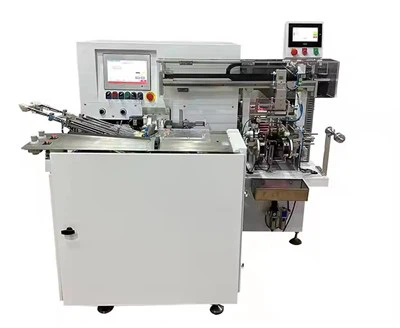

Hey there! As a supplier of toothbrush machine tufting, I often get asked about the noise level of these machines. It's a valid concern, especially in a production environment where noise can affect workers' comfort and productivity. So, let's dive into what the noise level of a toothbrush machine tufting is all about.
Understanding the Basics of Toothbrush Machine Tufting
Before we talk about noise levels, let's quickly go over what toothbrush machine tufting is. Toothbrush tufting is the process of inserting bristles into the toothbrush head. There are different types of tufting machines available in the market, such as the CNC Tufting Machine. These machines use advanced technology to ensure precise and efficient tufting.
The tufting process involves mechanical movements, such as the insertion of bristles and the operation of motors and gears. These mechanical actions generate sound, which is what we perceive as noise.
Factors Affecting the Noise Level
Several factors can influence the noise level of a toothbrush machine tufting.
Machine Design
The design of the tufting machine plays a significant role in determining its noise level. Well - designed machines are often engineered to minimize noise. For example, some machines use high - quality bearings and gears that operate more smoothly, reducing the amount of rattling and vibration that can contribute to noise. Additionally, the layout of the machine's components can also affect noise. Machines with a more compact and well - organized design may have less noise because there is less space for sound to reverberate.
Operating Speed
The speed at which the tufting machine operates is another crucial factor. Generally, the faster the machine runs, the more noise it will produce. When the machine is operating at high speeds, the mechanical parts move more rapidly, causing more friction and vibration. For instance, if a tufting machine is set to insert bristles at a very high rate per minute, the noise level will likely be higher compared to when it is running at a slower speed.
Maintenance
Proper maintenance of the tufting machine is essential for keeping the noise level in check. Over time, parts of the machine can wear out, such as belts, gears, and bearings. Worn - out parts can cause increased noise as they may not fit together as precisely as they should, leading to more vibration and rattling. Regular maintenance, including lubrication, part replacement, and cleaning, can help ensure that the machine operates quietly.
Measuring the Noise Level
The noise level of a toothbrush machine tufting is typically measured in decibels (dB). Decibels are a logarithmic unit used to express the intensity of sound. A normal conversation usually takes place at around 60 dB, while a vacuum cleaner can produce noise levels of about 70 - 80 dB.
Most modern toothbrush tufting machines have noise levels in the range of 70 - 90 dB. However, this can vary depending on the factors mentioned above. For example, a well - maintained and slow - running machine may produce noise at the lower end of this range, while a high - speed machine with some worn - out parts could reach the upper end or even exceed it.
Impact of Noise on the Workplace
Excessive noise in the workplace can have several negative impacts.
Worker Health
Prolonged exposure to high - level noise can cause hearing damage. Workers in a toothbrush manufacturing facility who are constantly exposed to the noise of tufting machines without proper hearing protection are at risk of developing hearing loss over time. In addition to hearing problems, high noise levels can also cause stress, fatigue, and difficulty concentrating, which can affect workers' overall well - being and job performance.
Productivity
Noise can be a distraction in the workplace. When workers are constantly bombarded with the sound of tufting machines, it can be difficult for them to focus on their tasks. This can lead to mistakes, slower work rates, and decreased productivity. For example, a worker may have trouble communicating with colleagues or reading instructions due to the loud noise, which can slow down the production process.
Reducing the Noise Level
As a supplier, we understand the importance of reducing the noise level of our toothbrush machine tufting. Here are some ways to achieve this:
Soundproofing
One effective way to reduce the impact of noise is to install soundproofing materials in the production area. Soundproof walls, ceilings, and floors can absorb and block the sound generated by the tufting machines. This creates a more comfortable working environment for the employees.
Machine Upgrades
We also offer machine upgrades that can help reduce noise. For example, we can replace old, noisy parts with newer, more efficient ones. Some of our machines are equipped with advanced noise - reducing technologies, such as vibration - dampening systems, which can significantly lower the noise level.
Operating Procedures
Implementing proper operating procedures can also help. For instance, training workers to operate the machines at the optimal speed and to perform regular maintenance can keep the noise level under control.
Other Toothbrush Manufacturing Machines and Noise
In addition to tufting machines, other machines used in toothbrush manufacturing, such as the Double Color Injection Molding Machine and Double Color Injection Moulding Machine, also generate noise. These machines involve processes like plastic injection and molding, which have their own set of mechanical actions that produce sound. However, similar principles of noise reduction, such as proper design, maintenance, and soundproofing, can be applied to these machines as well.
Conclusion
The noise level of a toothbrush machine tufting is an important consideration for both manufacturers and workers. It is influenced by factors such as machine design, operating speed, and maintenance. High noise levels can have negative impacts on worker health and productivity. As a supplier, we are committed to providing machines with lower noise levels through various means, including soundproofing, machine upgrades, and proper operating procedures.


If you're in the market for toothbrush machine tufting or other related machines, and you're concerned about noise levels, don't hesitate to reach out to us. We can provide you with detailed information about the noise characteristics of our machines and offer solutions to ensure a quiet and efficient production environment. Let's work together to make your toothbrush manufacturing process better!
References
- "Industrial Noise Control Handbook", by C. M. Harris
- "Occupational Noise Exposure: A Guide for Employers", published by the Occupational Safety and Health Administration (OSHA)