
What is the noise level of a Toothbrush CNC Tufting Machine during operation?
As a supplier of Toothbrush CNC Tufting Machines, I often receive inquiries from customers about various aspects of our products. One question that comes up quite frequently is about the noise level of these machines during operation. In this blog post, I'll delve into this topic, providing a detailed analysis of the noise levels associated with our Toothbrush CNC Tufting Machines.


Understanding the Toothbrush CNC Tufting Machine
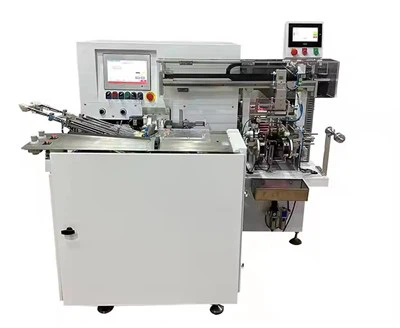
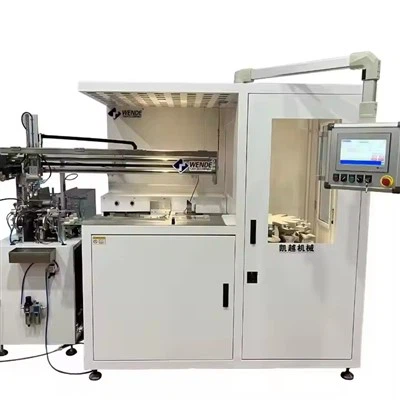
Before we discuss the noise levels, let's briefly understand what a Toothbrush CNC Tufting Machine is. These machines are at the heart of toothbrush manufacturing. They are designed to precisely insert bristles into the toothbrush head, a process that requires high - precision control. Our Tufting Machine for Toothbrush is equipped with advanced CNC (Computer Numerical Control) technology, which allows for accurate and efficient tufting operations.
Factors Affecting the Noise Level
The noise level of a Toothbrush CNC Tufting Machine during operation can be influenced by several factors.
- Mechanical Components: The moving parts of the machine, such as motors, gears, and belts, can generate noise. For example, the motor that drives the tufting mechanism needs to operate at a certain speed to insert the bristles accurately. As the motor rotates, it produces mechanical vibrations that are converted into sound waves. The quality of these components also plays a crucial role. High - quality bearings and gears tend to produce less noise compared to lower - quality ones. Our High Performance Toothbrush Tufting Machine uses premium - grade mechanical components, which are carefully selected to minimize noise generation.
- Operating Speed: The speed at which the machine operates has a direct impact on the noise level. Generally, the faster the machine runs, the louder it gets. This is because at higher speeds, the mechanical components experience more stress and vibration. When the tufting head moves quickly to insert bristles, it creates more noise due to the rapid acceleration and deceleration. However, our machines are designed to balance speed and noise. Through advanced control algorithms, we can optimize the operating speed to achieve high - speed tufting while keeping the noise within an acceptable range.
- Tufting Process: The actual tufting process itself can generate noise. When the bristles are inserted into the toothbrush head, there is a certain amount of force involved. This force can cause the bristles to rub against the tufting needles and the toothbrush head, creating friction noise. In the case of Double Color Toothbrush Manufacturing, where two different colors of bristles are inserted, the complexity of the process may increase the noise level slightly. But our machines are engineered to handle these processes smoothly, reducing the additional noise.
Measuring the Noise Level
To accurately determine the noise level of our Toothbrush CNC Tufting Machines, we use professional sound - level meters. These meters are calibrated to international standards and can measure the sound pressure level in decibels (dB).
We typically measure the noise level at a distance of 1 meter from the machine during normal operation. The average noise level of our standard Toothbrush CNC Tufting Machine ranges from 65 dB to 75 dB. This is comparable to the noise level in a normal office environment. For our high - performance models, which operate at higher speeds, the noise level may reach up to 80 dB. However, it's important to note that these levels are well within the safety limits set by occupational health and safety regulations.
Noise Reduction Measures
We understand that excessive noise can be a concern for our customers, especially in a manufacturing environment. That's why we have implemented several noise reduction measures in our machines.
- Sound - Insulating Materials: We use high - quality sound - insulating materials in the construction of our machines. These materials are placed around the mechanical components to absorb and dampen the sound waves. For example, we line the machine enclosure with acoustic foam, which helps to reduce the noise that escapes from the machine.
- Vibration Isolation: To minimize the transmission of vibrations from the mechanical components to the machine frame, we use vibration - isolation mounts. These mounts are made of rubber or other elastic materials that can absorb the vibrations and prevent them from being converted into noise.
- Regular Maintenance: Proper maintenance of the machine is essential for keeping the noise level in check. Regular lubrication of the moving parts, tightening of loose bolts, and replacement of worn - out components can all help to reduce noise. We provide our customers with detailed maintenance manuals and offer after - sales support to ensure that their machines are well - maintained.
The Importance of Low Noise Levels
Low noise levels in a Toothbrush CNC Tufting Machine offer several benefits.
- Operator Comfort: In a manufacturing setting, operators work long hours around the machines. Excessive noise can cause fatigue, stress, and even hearing damage over time. By keeping the noise level low, we ensure that our customers' operators can work in a more comfortable and safe environment.
- Productivity: A quieter work environment can also improve productivity. When operators are not distracted by loud noise, they can focus better on their tasks, leading to fewer errors and higher - quality products.
- Compliance: Many countries and regions have strict regulations regarding noise levels in the workplace. By providing machines with low noise levels, we help our customers comply with these regulations, avoiding potential fines and legal issues.
Conclusion
In conclusion, the noise level of a Toothbrush CNC Tufting Machine during operation is influenced by various factors such as mechanical components, operating speed, and the tufting process. Our machines are designed to keep the noise level within an acceptable range, typically between 65 dB and 80 dB, through the use of high - quality components, sound - insulating materials, and vibration - isolation techniques.
If you are in the market for a Toothbrush CNC Tufting Machine and are concerned about the noise level, we encourage you to contact us for more information. Our team of experts can provide you with detailed specifications and answer any questions you may have. We are committed to providing high - quality, low - noise machines that meet the needs of your toothbrush manufacturing business.
References
- ISO 1996 - 1:2016, Acoustics — Description, measurement and assessment of environmental noise — Part 1: Basic quantities and assessment procedures.
- OSHA (Occupational Safety and Health Administration) regulations on workplace noise exposure.