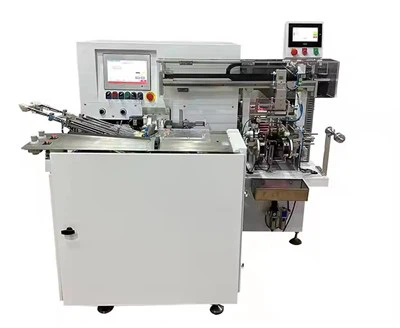

What are the installation requirements for a toothbrush making machine?
As a trusted supplier of toothbrush making machines, I understand that the installation of such equipment is a crucial step that requires careful consideration and adherence to specific requirements. Proper installation not only ensures the smooth operation of the machine but also significantly influences the quality and efficiency of toothbrush production. In this blog post, I will delve into the essential installation requirements for a toothbrush making machine.


1. Site Requirements
First and foremost, the choice of installation site is of utmost importance. The floor where the toothbrush making machine will be installed should be flat and strong enough to support the weight of the equipment. Uneven floors can cause the machine to vibrate during operation, affecting its stability and potentially leading to premature wear and tear of components. A flat floor also helps in the precise alignment of different parts of the machine, which is vital for the accurate production of toothbrushes.
The installation area should be spacious enough to accommodate the machine and allow for easy access around it. Sufficient space is required for maintenance personnel to perform routine checks, repairs, and part replacements. A general rule of thumb is to leave at least a one - meter clearance around the machine. This space can also be used to store raw materials and finished products, facilitating a smooth production process.
It is also essential to ensure that the installation site is well - ventilated. Toothbrush making machines often generate heat during operation, especially components like motors and heaters. Good ventilation helps to dissipate this heat, preventing overheating of the machine and its associated electrical components. Overheating can not only damage the machine but also pose a fire hazard. Additionally, in some cases, the production process may involve the use of chemicals or adhesives, and proper ventilation helps to remove any fumes or odors generated.
2. Power Supply Requirements
A stable and appropriate power supply is a non - negotiable requirement for the installation of a toothbrush making machine. Before installation, it is necessary to determine the power requirements of the specific machine model. Toothbrush making machines can vary in their power consumption depending on their size, complexity, and the production capacity they are designed for.
The power supply voltage must match the requirements of the machine. In most cases, industrial toothbrush making machines operate on three - phase power supplies. Any deviation from the specified voltage can cause the machine to malfunction, damage electrical components, or even lead to safety issues. For example, if the voltage is too low, the machine may not start properly or may operate at a reduced speed, affecting production efficiency. On the other hand, excessive voltage can overheat the electrical circuits and cause burnout.
It is also crucial to install suitable electrical protection devices, such as circuit breakers and fuses. These devices help to prevent electrical overloads and short circuits, which can cause serious damage to the machine and pose a risk to the operators. A reliable grounding system is also necessary to ensure the safety of the machine and its users. Grounding helps to divert any electrical faults or static electricity safely to the ground.
3. Water and Air Supply Requirements
Many toothbrush making machines rely on water and air supplies for their operation. Water is often used for cooling purposes, especially in processes such as injection molding or ultrasonic welding. The water supply should be clean and free of impurities to prevent clogging of cooling channels and damage to the machine. A proper water filtration system may need to be installed to ensure the quality of the water.
The water pressure and flow rate must also be within the specified range of the machine. Insufficient water pressure or flow rate may not be able to effectively cool the machine, leading to overheating. On the other hand, excessive water pressure can cause leaks and damage to the water pipes and fittings.
Regarding the air supply, toothbrush making machines use compressed air for various functions, such as actuating pneumatic cylinders, blowing away debris, and holding components in place. The compressed air should be dry and free of oil and moisture to prevent contamination of the toothbrushes and damage to the pneumatic components. An air dryer and a filter should be installed in the air supply line to ensure the quality of the compressed air. The air pressure should be maintained at a stable level as specified by the machine manufacturer.
4. Machine Assembly and Alignment
During the installation process, the machine parts need to be carefully assembled according to the manufacturer's instructions. Each component plays a specific role in the overall operation of the toothbrush making machine, and improper assembly can lead to malfunctions and poor product quality. For example, misaligned cutting blades can result in unevenly trimmed toothbrush handles, while incorrect installation of the tufting mechanism can cause inconsistent bristle placement.
The alignment of different parts of the machine is also critical. This includes the alignment of the injection molding mold, the tufting head, and the conveyor belts. Proper alignment ensures that the toothbrushes are produced with the correct dimensions and specifications. Regular calibration and adjustment of the machine's alignment may be required during the initial installation and also during its regular operation to maintain high - quality production.
5. Environmental Requirements
The environmental conditions in which the toothbrush making machine operates can have a significant impact on its performance and lifespan. The temperature and humidity levels in the installation area should be within the recommended range. High temperatures can cause the machine's lubricants to break down more quickly, leading to increased friction and wear of moving parts. Excessive humidity can cause corrosion of metal components and may also affect the quality of the toothbrushes, especially if they are made of certain materials that are sensitive to moisture.
The installation area should also be kept clean and free of dust and debris. Dust can accumulate on the machine's electrical components, causing short circuits, and can also contaminate the toothbrushes during the production process. Regular cleaning of the machine and the surrounding area is necessary to maintain a clean and hygienic production environment.
6. Training and Documentation
Once the toothbrush making machine is installed, it is essential to provide proper training to the operators. The training should cover the operation of the machine, basic maintenance procedures, and safety precautions. Operators should be familiar with the control panel, how to start and stop the machine, and how to adjust the production parameters. They should also know how to perform routine maintenance tasks such as cleaning, lubrication, and part replacement.
It is also important to keep all the installation and operation documentation in a safe place. This includes the machine's user manual, installation guides, maintenance schedules, and electrical and mechanical diagrams. These documents can be referred to in case of any technical issues or for future reference during machine upgrades or troubleshooting.
As a leading supplier of toothbrush making machines, we offer a wide range of high - quality equipment, including the Toothbrush Manufacturing Machine, Toothbrush Machine Making, and CNC Toothbrush Machine. Our experienced team can provide professional installation services and technical support to ensure that your machine is installed correctly and operates efficiently.
If you are interested in purchasing a toothbrush making machine or have any questions about installation requirements, please feel free to contact us. We are looking forward to discussing your needs and providing you with the best solutions for your toothbrush production.
References
- Manufacturer's Installation and Operation Manuals for Toothbrush Making Machines
- Industry Standards for Industrial Equipment Installation
- Technical Papers on the Operation and Maintenance of Toothbrush Making Machines