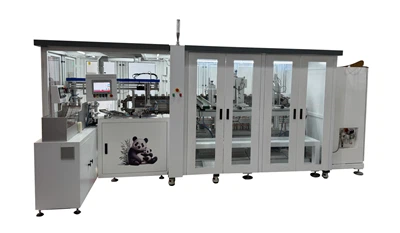

How does a tufting machine affect the ergonomics of toothbrushes?
As a supplier of tufting machines for toothbrushes, I've witnessed firsthand the profound impact these machines have on the ergonomics of toothbrushes. Ergonomics is a critical aspect of toothbrush design, as it directly influences the user's comfort, efficiency, and overall oral health. In this blog, I'll explore how tufting machines contribute to the ergonomic features of toothbrushes and why they are essential in the modern dental care industry.
The Role of Tufting Machines in Toothbrush Design
Tufting machines are the backbone of toothbrush manufacturing, responsible for precisely inserting bristles into the toothbrush head. This process is crucial not only for the functionality of the toothbrush but also for its ergonomic design. The way the bristles are arranged and the density of the tufts can significantly affect how the toothbrush feels in the hand and how effectively it cleans the teeth.
One of the key advantages of using a tufting machine is the ability to create custom bristle patterns. Different bristle patterns can be designed to target specific areas of the mouth, such as the front teeth, molars, or gum line. For example, a tufting machine can create a toothbrush with a denser bristle pattern in the center for better cleaning of the front teeth and a more spread - out pattern on the sides for reaching the molars. This customization allows for a more efficient cleaning experience, reducing the effort required from the user and improving overall oral hygiene.
Impact on Toothbrush Handle Design
In addition to bristle arrangement, tufting machines also have an impact on the design of the toothbrush handle. A well - designed handle is essential for comfortable and effective brushing. Tufting machines can be integrated with other manufacturing processes, such as the Double Color Injection Moulding Machine, to create toothbrushes with ergonomic handles.
The injection moulding process can produce handles with a variety of shapes and textures. For instance, a handle can be designed with a contoured shape that fits comfortably in the hand, reducing fatigue during brushing. The use of different materials and colors in the double - color injection moulding process can also enhance the visual appeal of the toothbrush while maintaining its ergonomic properties.
Precision and Consistency
Tufting machines offer a high level of precision and consistency in the tufting process. This is crucial for ensuring that each toothbrush meets the highest standards of quality and ergonomics. When the bristles are inserted precisely and consistently, the toothbrush can provide a more uniform cleaning action across all teeth.
For example, a CNC Tufting Machine uses computer - numerical control technology to control the tufting process with extreme accuracy. This technology allows for the creation of complex bristle patterns and ensures that each tuft is of the same length and density. As a result, the toothbrush can clean the teeth more effectively, and the user can have a more comfortable brushing experience.
The Influence on Toothbrush Bristle Quality
The quality of the bristles is another important factor in toothbrush ergonomics. Tufting machines can handle a wide range of bristle materials, from soft nylon to more rigid natural fibers. The choice of bristle material can affect the feel of the toothbrush in the mouth and its cleaning performance.
A high - quality tufting machine can ensure that the bristles are securely attached to the toothbrush head. Loose or poorly attached bristles can cause discomfort during brushing and may even fall out, posing a risk to the user. By using a reliable tufting machine, toothbrush manufacturers can produce toothbrushes with durable and high - quality bristles, enhancing the overall ergonomic experience.
The Advancements in Tufting Technology
Over the years, tufting technology has advanced significantly. The High Speed Double Color Tufting Machine is a prime example of these advancements. This machine combines high - speed tufting with double - color capabilities, allowing for the production of toothbrushes with unique and eye - catching designs.
The high - speed feature of this machine not only increases production efficiency but also enables the creation of more complex bristle patterns. The double - color aspect adds an extra dimension to the toothbrush design, making it more visually appealing. These advancements in tufting technology have a direct impact on the ergonomics of toothbrushes, as they allow for more innovative and user - friendly designs.
How Ergonomic Toothbrushes Benefit the User
Ergonomic toothbrushes offer several benefits to the user. Firstly, they are more comfortable to hold and use. A toothbrush with an ergonomic handle and well - arranged bristles requires less effort to operate, reducing the strain on the hand and wrist. This is especially important for people with limited dexterity or those who suffer from conditions such as arthritis.
Secondly, ergonomic toothbrushes can improve oral hygiene. The precise bristle arrangement and high - quality bristles ensure that the teeth are cleaned more effectively, reaching areas that may be difficult to access with a non - ergonomic toothbrush. This can lead to better overall oral health, including reduced plaque buildup and a lower risk of cavities and gum disease.
Conclusion
In conclusion, tufting machines play a vital role in the ergonomics of toothbrushes. From creating custom bristle patterns to integrating with other manufacturing processes, these machines contribute to the design of toothbrushes that are comfortable, efficient, and effective. As a supplier of tufting machines for toothbrushes, I'm proud to be part of an industry that is constantly innovating to improve the oral health and well - being of people around the world.
If you're interested in learning more about our tufting machines or are looking to purchase high - quality toothbrush manufacturing equipment, we invite you to reach out and start a procurement discussion. Our team of experts is ready to assist you in finding the right solutions for your business needs.


References
- ADA (American Dental Association). "Guidelines for Toothbrush Selection." Journal of the American Dental Association.
- Research papers on toothbrush design and ergonomics from leading dental research institutions.